Editorial
Thailand Villa Ownership for Expats: 4 Legal Options in 2026
By THAI.ESTATE Editorial Team12 min read
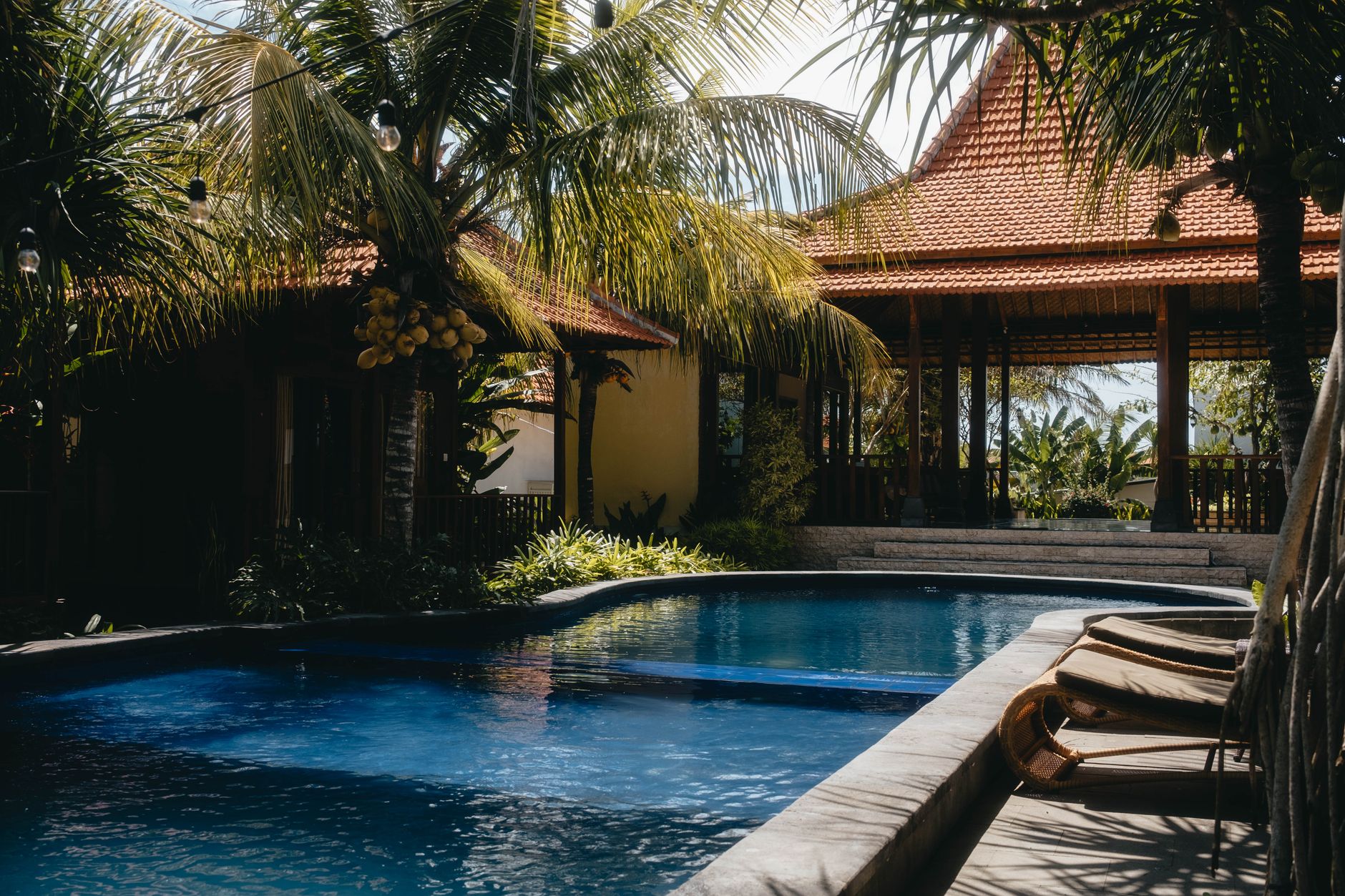
Foreigners cannot own land in Thailand under the Land Code, and a freestanding villa sits on land. That single fact shapes every villa ownership structure available to you as an expat. The good news is that four legal routes exist, each with different levels of security, cost, and practical control.
This guide explains each route honestly, compares them side by side, and flags the risks that catch buyers out. Read it before you sign anything.
Quick answer
- You cannot own villa land freehold as a foreign individual under the Land Code (as of 2026).
- Leasehold for up to 30 years is the most common legal structure for expat villa buyers; it can include one or two renewal options, though those options are not automatically enforceable.
- Superficies (a registered right to own a building on someone else's land) adds legal weight when registered at the Land Office alongside a lease.
- Usufruct gives you the right to use and take income from land for a defined period or for life, but it cannot be sold or inherited.
- Thai company ownership is legal in limited circumstances, but using a company purely to hold residential property for a foreigner is treated as illegal nominee ownership under the Land Code and the Foreign Business Act.
- Foreign quota condominiums are the only freehold option for foreigners in Thailand, but they are apartments, not villas.
Options and scenarios
Can a foreigner ever own a villa freehold in Thailand?
No, with one very narrow exception. Under the Board of Investment (BOI) scheme, a foreigner who invests at least THB 40 million in approved assets may apply for the right to own up to 1 rai (1,600 sq m) of land for residential use. As of 2026, the scheme exists in law but its practical uptake remains very low, and approval is not guaranteed. For the vast majority of expat buyers, freehold villa ownership is not available.
Leasehold: the standard route
Leasehold is the most widely used structure for villas in Thailand. The Land Code permits lease terms of up to 30 years for foreigners. Many contracts include an option to renew for one or two further 30-year terms, bringing the headline figure to 90 years.
Here is the critical point: only the initial 30-year term is protected by law when registered at the Land Office. Renewal clauses are contractual promises by the current landowner. If the land is sold, the new owner is bound by the registered lease but is not legally bound to honor the renewal option unless it is also registered. Registration at the Land Office costs approximately 1.1% of the assessed lease value (registration fee plus stamp duty, as of 2026 indicative figures).
What a well-structured lease should include:
- Registration at the Land Office (essential - unregistered leases over three years are unenforceable against third parties)
- A clear renewal clause, preferably supported by a separate agreement or superficies right
- Rights to sublease, mortgage, and make improvements
- A clause on what happens to the building at the end of the term
- A Foreign Exchange Transfer (FET) certificate requirement if you are remitting funds from abroad (this protects your right to repatriate money later)
Superficies: securing the building separately
A superficies (known in Thai law as 'sitthi karn pok khrong') is a registered real right that gives you the legal right to own the structure built on someone else's land, separately from the land itself. It can be registered for a fixed term or for the life of the holder, up to 30 years for a fixed term.
Superficies is almost always used alongside a lease, not instead of one. The combination means:
- The lease gives you the right to occupy the land.
- The superficies gives you legal title to the building sitting on it.
Registering superficies at the Land Office gives you a stronger position if the landowner defaults, dies, or sells. The registration cost is modest (government fees based on land value, indicative figures only - confirm with a licensed lawyer).
Usufruct: long-term use rights
A usufruct (Thai: 'sitthi karn chai') gives you the right to use and benefit from land and any structures on it. It can be registered for life or for up to 30 years. Unlike a lease, a usufruct holder can take rental income from the property.
Usufruct is suitable if you plan to live in the villa yourself for the long term and do not need to pass the right to an heir. It is non-transferable and non-inheritable - it ends when you die or at the agreed term, whichever comes first. That limits its use in estate planning.
Usufruct is also registered at the Land Office, giving it legal status against third parties.
Thai company structure: legal but risky for residential use
A foreigner can legally own a majority stake in a Thai company that owns land. However, the company must have a genuine business purpose. Using Thai nominee shareholders - Thai nationals who hold shares on paper purely to satisfy the foreign shareholding limit - is illegal under the Land Code and the Foreign Business Act.
The Department of Special Investigation (DSI) and the Land Department have investigated and prosecuted nominee structures. Consequences can include land title cancellation, company dissolution, and criminal liability for all parties involved.
A legitimate Thai company owning property is possible where the company has real business operations (such as a licensed villa rental business). In that context, land ownership by the company serves a genuine commercial purpose. Even then, you should obtain a formal legal opinion before proceeding.
Condominium as a villa alternative
Some developments market low-rise or single-floor units as 'pool villas' within a condominium project. If the project is registered under the Condominium Act and your unit falls within the 49% foreign quota (the share of total unit area that can be foreign-owned), you can own the unit freehold. This is the only genuine freehold option widely available to expats in Thailand.
Funds for purchase must be remitted from abroad in foreign currency and converted in Thailand. The receiving bank issues a FET certificate (Foreign Exchange Transfer certificate), which is the documentary proof you need to repatriate the funds later and to register ownership.
Comparison table
| Structure | Land ownership | Typical term | Registerable | Inheritable | Risk level |
|---|---|---|---|---|---|
| Leasehold (30yr) | No - right to use only | 30 years (+ renewal options) | Yes, at Land Office | Lease term survives owner, but renewal may not | Low to medium |
| Superficies | No - building only | Up to 30 years or lifetime | Yes, at Land Office | No (ends at death if lifetime) | Low when combined with lease |
| Usufruct | No - use and income rights | Up to 30 years or lifetime | Yes, at Land Office | No (non-transferable) | Low for personal use |
| Thai company (genuine) | Company owns land | Indefinite (company lifespan) | Yes | Shares can be bequeathed | Medium to high |
| Nominee company | Illegal structure | N/A | Registered but at legal risk | N/A - title at risk of cancellation | Very high |
| Condo freehold (foreign quota) | Unit freehold | Indefinite | Yes, Condominium Act | Yes | Low |
| BOI land ownership | Up to 1 rai freehold | Indefinite | Yes | Yes | Low (if approved) |
Risks and mistakes
Relying on unregistered renewal options
Many villa contracts include a renewal clause that appears to extend the lease to 90 years. If only the first 30-year term is registered at the Land Office, the renewal is a private contractual promise. If the landowner sells the land during your lease, the new owner can refuse to renew. Always confirm what is actually on the chanote (a chanote, or 'Nor Sor 4 Jor', is Thailand's highest-grade land title document showing precise GPS-surveyed boundaries).
Buying without a title search
Always instruct an independent lawyer to search the title at the Land Office before paying a deposit. Look for mortgages, servitudes, third-party claims, and the correct grade of title. Lower-grade documents (Sor Kor 1, Nor Sor 3) carry more risk than a full chanote.
Paying before FET documentation is in place
If you pay from a Thai bank account or in Thai baht from funds already in Thailand, you may lose the ability to prove the money came from abroad. Without a valid FET certificate, the Land Office may refuse to register a foreign-quota condo purchase, and you may not be able to repatriate your funds later.
Using a developer's recommended lawyer
A lawyer recommended and paid by the developer does not represent your interests. Hire your own independent legal counsel and pay for it yourself. Legal due diligence for a villa purchase typically costs THB 30,000 to THB 80,000 (indicative market estimates for 2026), which is a small fraction of the purchase price.
Misunderstanding 'freehold villa' marketing
Some developers use the word 'freehold' when selling villas on freehold land where the building is sold under a 30-year lease or superficies. The land may be freehold in the developer's hands, but that does not make your interest freehold. Read the title documents, not the brochure.
Neglecting estate planning
Leases, superficies rights, and usufructs behave differently on death. A lease survives the leaseholder and passes to heirs for the remaining term. A usufruct or lifetime superficies ends at death. If estate planning is important to you, structure the deal to match: a fixed-term superficies or company ownership with proper share succession planning may serve you better than a personal usufruct.
Paying a large deposit without legal protection
Deposits in Thailand are typically 10% of the purchase price and often non-refundable if you withdraw. Pay no deposit before you have received and reviewed a full draft contract and independent legal advice. Ensure the contract specifies what happens if the title is found to be defective.
FAQ
Can a foreigner own a villa in Thailand?
Yes, but not as freehold land. A foreigner can legally own a villa through a registered long-term lease (up to 30 years), supported by a superficies right over the building. The land itself remains in Thai ownership. The BOI investment scheme allows freehold ownership of up to 1 rai for qualifying investors, but it applies to very few buyers in practice.
Is a 90-year villa lease legal in Thailand?
A single lease term beyond 30 years is not enforceable under the Land Code. A 90-year headline figure comes from stacking an initial 30-year registered lease with one or two unregistered renewal options. Only the first 30 years have full legal protection. The renewal options are contractual commitments from the landowner and are not automatically binding on future land owners.
What is the difference between superficies and a lease for a villa?
A lease gives you the right to occupy land for a defined period. A superficies gives you the right to own the building that sits on the land, separately from the land itself. The two rights are registered separately at the Land Office and serve different legal purposes. A well-advised villa buyer will register both.
Can I use a Thai company to buy a villa?
A Thai company can own land. However, if the company exists solely to allow a foreigner to hold residential property, and Thai shareholders are nominees (holding shares only on paper), this is illegal. Genuine business purpose and real Thai shareholding are required. The risk of title cancellation and criminal liability is real.
What is a chanote and why does it matter for villa buyers?
A chanote (Nor Sor 4 Jor) is Thailand's highest-grade land title. It is GPS-surveyed and registered with the Land Office, giving the most precise boundary definition and the strongest legal protection. Lower-grade titles carry more risk of boundary disputes or government reclamation. Always verify that the villa you are buying sits on chanote-titled land.
Do I need an FET certificate to buy a villa in Thailand?
An FET certificate (Foreign Exchange Transfer certificate) is issued by a Thai bank when you receive foreign currency from abroad and convert it to Thai baht. It is essential for foreign-quota condo purchases. For leasehold villas, it is not legally required for registration, but it is strongly recommended as proof that the funds originated abroad, which protects your right to repatriate the money later.
What happens to my villa lease if the Thai landowner dies?
A registered lease is a real right attached to the land and survives the death of the landowner. The heirs inherit the land subject to the lease. Your right to occupy the property for the remaining lease term is protected. Renewal options beyond the registered term, however, are again subject to negotiation with the new owners.
How much does legal due diligence cost for a villa purchase?
Independent legal due diligence for a Thai villa purchase typically costs between THB 30,000 and THB 80,000 (indicative market estimates for 2026), depending on the complexity of the title and the scope of the review. This covers a title search at the Land Office, contract review, and advice on the ownership structure. It does not cover notarization or translation fees.
Can I rent out my leasehold villa?
A lease agreement can include the right to sublease, but only if the original lease explicitly permits it. Check your contract before assuming you can let the property. Short-term rental (less than 30 days per stay) also requires a hotel or licensed accommodation registration under Thai law, regardless of how you hold the villa.
What is the safest villa ownership structure for an expat in 2026?
For most expat buyers, a registered 30-year lease combined with a registered superficies over the building, on chanote-titled land, with independent legal representation, is the safest accessible structure. It does not give you freehold land ownership, but it gives you strong, legally registered rights for the lease period, with clear rules on building ownership.
Planning a property purchase in Thailand? Send us your requirements - the THAI.ESTATE team will reply with specific options and a safety checklist for your case.