Editorial
Thailand Villa Ownership Crackdown 2026: Legal Options for Foreign Buyers
By THAI.ESTATE Editorial Team13 min read
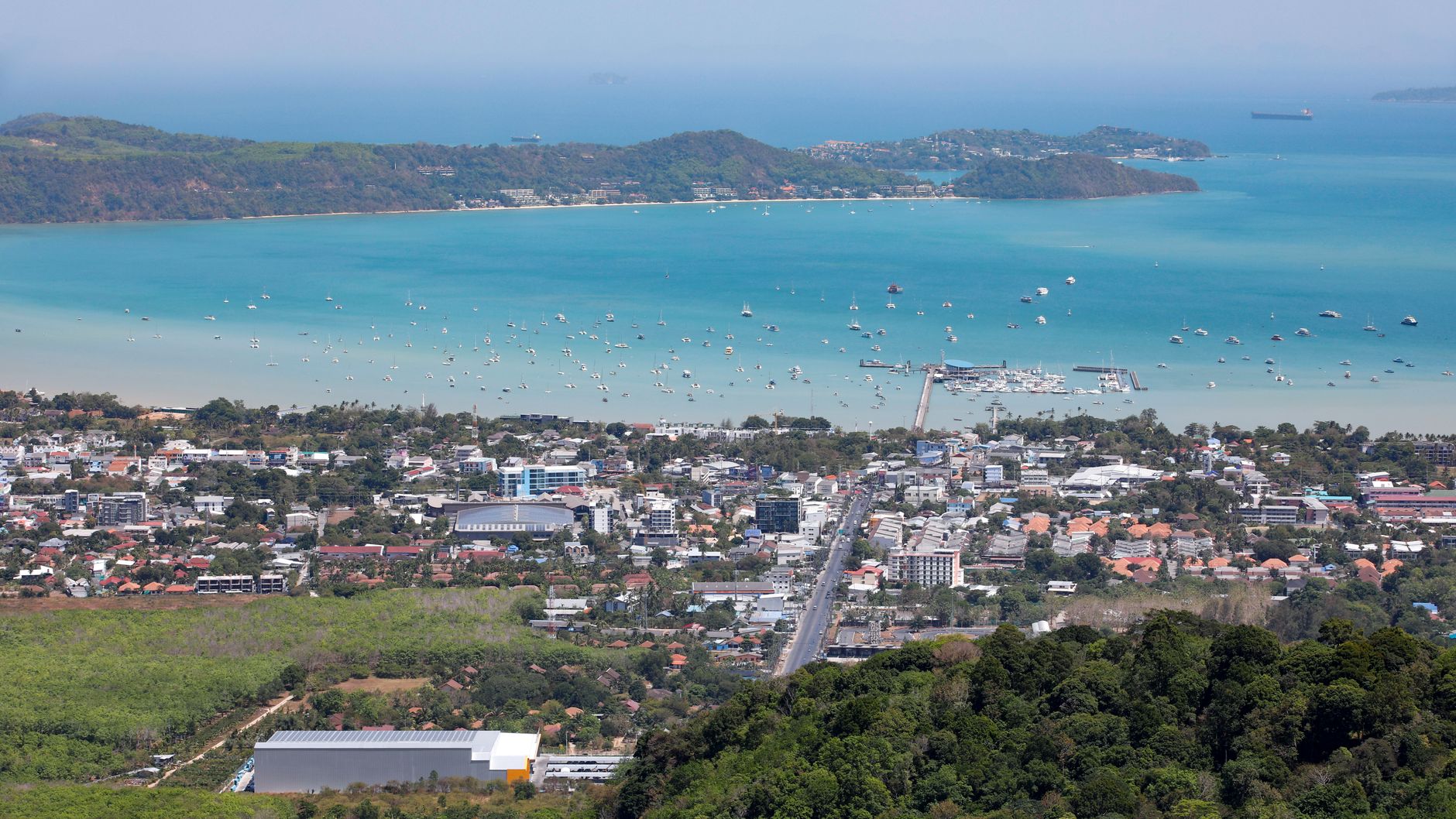
Foreign buyers cannot own land in Thailand. That restriction is written into the Land Code and has not changed. What has changed in 2026 is how aggressively the authorities are enforcing it - specifically against nominee Thai company structures and corporate ownership arrangements that were previously tolerated in practice.
If you are considering a villa in Phuket, Koh Samui, or Koh Phangan, you need to understand both the permanent legal landscape and the 2026 enforcement shift before you commit any funds.
Quick answer
- Foreigners cannot own land or landed villas in freehold under the Thai Land Code, regardless of price or location.
- The 2026 crackdown targets nominee structures: Thai company setups designed to hold land on behalf of a foreign buyer are under intensified scrutiny and carry real legal risk.
- Condominiums remain the only lawful freehold route for foreign buyers, within a building-by-building 49% foreign quota measured by floor area (Condominium Act).
- Leasehold for 30 years is the most common lawful route for landed villas; it is registrable at the Land Office and provides enforceable rights for the lease term.
- Superficies and usufruct - registrable rights under the Civil and Commercial Code - can complement a lease but do not confer ownership.
- As of mid-2026, no Parliament-approved change to the 49% quota or leasehold terms has passed, per reporting from July 2026.
Options and scenarios
Can you buy a villa freehold as a foreigner?
No. Thai law reserves freehold ownership of land for Thai nationals and certain Thai juristic persons (legal entities, such as a properly structured company with majority Thai shareholding acting in genuine business). There is no personal freehold route for a foreign individual buying a residential villa. Any arrangement that claims to give you freehold control over land through a Thai nominee company - where Thai shareholders hold shares on your behalf without genuine equity or economic interest - is a nominee structure. As of 2026, these arrangements face active enforcement action.
What does the 2026 enforcement shift mean in practice?
Thailand has long restricted foreign land ownership on paper. In practice, nominee company structures - where a foreign buyer directs the establishment of a Thai limited company to hold land title - became widespread, particularly for villa markets in Phuket, Koh Samui, and Koh Phangan. The 2026 enforcement shift means the Land Department and relevant authorities are conducting more thorough reviews of company shareholding structures, source of funds, and the genuine business purpose of land-owning companies.
For buyers, this translates into longer decision timelines, higher legal and documentary costs, and - for those already holding through nominee structures - material risk of forced divestment or prosecution. Per reporting from July 2026, this enforcement activity has visibly slowed foreign buyer decisions in those three markets.
Option 1: Leasehold - the main lawful route for villas
A leasehold in Thailand gives you the right to use land or a villa for a defined period. Leases of three years or more must be registered at the Land Office against the title deed (a chanote is the highest-grade title deed, equivalent to freehold surveyed title) to be enforceable against third parties, including a future buyer of the land.
The maximum registrable lease term under Thai law is 30 years. Many developers offer a 30-year lease with two optional renewal periods of 30 years each, written into the lease contract. However, only the first 30-year term is legally binding once registered. The renewal options are contractual promises by the current landowner; they do not automatically bind successors in title. A new landowner after a sale is not legally compelled to honor renewal terms, though well-drafted contracts can create contractual recourse.
For a villa buyer, a properly registered 30-year lease on a chanote title - with clear terms on maintenance, renewal intent, and the lessee's rights to sublet or mortgage the structure - is a workable and lawful position. It is not ownership, but it delivers meaningful security for the lease period.
Option 2: Condominium freehold within the 49% quota
If your priority is freehold title and you are open to a condominium unit rather than a landed villa, the Condominium Act allows foreigners to own units outright. The constraint is the 49% foreign quota: foreigners collectively may not own more than 49% of the total registered floor area of a single condominium building. The remaining 51% must be Thai-owned.
This quota is calculated per building by floor area, not by unit count or project name. A multi-tower development can have different foreign quota percentages in each registered tower. As of mid-2026, the 49% limit remains in force. A Cabinet discussion in April 2024 considered raising it to 75%, but no law passed, per July 2026 market reporting.
To complete a freehold condo purchase, you must transfer funds from outside Thailand in foreign currency and obtain a Foreign Exchange Transaction (FET) certificate - a bank document confirming that the purchase funds were remitted from abroad and converted into Thai baht in Thailand. This document is required by the Land Office to register the transfer of a condo unit into a foreign name.
Option 3: Superficies and usufruct as supporting rights
A superficies is a registrable right under the Civil and Commercial Code that grants the holder the right to own structures built on land owned by another party. For a villa buyer, a superficies can mean that even if the land remains Thai-owned, you have a registrable, enforceable right to own the building on it. Superficies can be granted for up to 30 years, or for the lifetime of the grantor or grantee.
A usufruct gives the holder the right to use and draw income from property owned by another for a defined period, up to 30 years or the lifetime of the usufructuary. A usufruct is also registrable at the Land Office.
Both instruments are used alongside leases in some villa structures to add layers of legal protection. Neither replaces ownership of the land itself. Their enforceability depends on the quality of the underlying title and the drafting of the agreements.
Option 4: Genuine Thai company ownership (not nominee)
A Thai limited company with genuine majority Thai shareholding - where Thai shareholders hold equity for real commercial reasons, not as nominees - can legally own land. Some foreign buyers use this structure legitimately for business-purpose property, such as a villa operated as a registered hotel or guesthouse.
The key distinction authorities now scrutinize is whether the company has genuine Thai equity and genuine business activity, or whether it exists solely to allow a foreign individual to control land. If the Land Department or Revenue Department finds the structure is a nominee arrangement, the consequences can include forced share transfer, cancellation of the land registration, and criminal charges under the Land Code for those involved.
This route carries the highest legal risk in the 2026 environment. The THAI.ESTATE Editorial Team does not recommend pursuing it for residential villa ownership without independent legal counsel who specializes in Thai property and corporate law - and even then, the risk profile has materially increased.
Comparison table
| Parameter | Condo freehold | 30-year leasehold | Superficies / usufruct | Thai company (genuine) |
|---|---|---|---|---|
| Land ownership by foreigner | No (unit only) | No | No | No (company owns) |
| Freehold title possible | Yes, on the unit | No | No | Company holds title |
| Applicable law | Condominium Act | Civil and Commercial Code, Land Code | Civil and Commercial Code | Civil and Commercial Code, Land Code |
| Maximum term | Indefinite (freehold) | 30 years registrable | 30 years or lifetime | Indefinite (company) |
| Registrable at Land Office | Yes | Yes (3 years or more) | Yes | Yes |
| FET certificate required | Yes | Recommended for fund proof | Recommended | Not for company itself |
| 2026 enforcement risk | Low (lawful structure) | Low (lawful structure) | Low (lawful structure) | High if nominee-based |
| Renewal security | N/A | Contractual only after first 30 years | Renegotiation needed | Depends on company structure |
| Typical buyer profile | Apartment or condo preference | Villa or land use | Added protection layer | Genuine business operator |
Risks and mistakes
Relying on a nominee company structure
This is the single largest risk in the 2026 market. A nominee structure is one where Thai shareholders hold shares on your behalf without real economic interest. The Land Code prohibits foreigners from acquiring land through such arrangements. In 2026, the Land Department is actively reviewing company shareholding structures on transfers. Buyers who already hold through nominee companies should seek independent legal advice on their exposure and options for restructuring.
Assuming verbal or email renewal promises are binding
The second 30-year renewal period in a leasehold agreement is not automatically enforceable against a new landowner. If the original lessor sells the land, the new owner is bound by the registered first term but may not be bound by renewal promises written only in the lease contract. You should understand this limitation before signing a leasehold agreement.
Skipping Land Office registration of the lease
An unregistered lease of more than three years is not enforceable against third parties under Thai law. Some buyers have signed lease agreements that were never registered at the Land Office against the chanote title. This leaves the lease enforceable only between the original parties and provides no protection if the land changes hands.
Missing or incorrect FET documentation for condo purchases
Without a properly issued FET certificate from a Thai commercial bank, the Land Office will not register a condo transfer in a foreign name. The FET must document the inward remittance in foreign currency converted to Thai baht. Sending baht directly from a foreign account or via a non-bank transfer method can create problems. Confirm the documentation requirements with your bank before transferring funds.
Relying on a developer's legal assurance alone
Developers have a commercial interest in completing the sale. Their legal team advises the developer, not you. For any property purchase in Thailand - and especially for villa leasehold structures - engage your own independent Thai property lawyer to review all documents before you sign.
Not checking the title deed grade
Thai land title comes in different grades. The chanote (also spelled 'NS-4J' or 'NorSor 4 Jor') is the strongest, with GPS-surveyed boundaries and full freehold rights. Lower-grade documents such as Nor Sor 3 (NS-3) or possession certificates carry more risk and limited transferability. Always verify the title grade of any land or villa you intend to lease, before committing to terms.
Underestimating transaction costs
Registering a lease or transferring a condo unit at the Land Office involves transfer fees, specific business tax (in some cases), and stamp duty. Indicative total costs at Land Office registration typically range from 1% to 3% of the registered value, depending on structure and holding period, per market estimates. Legal fees for a properly drafted villa leasehold with supporting agreements add further cost. Budget for this from the start.
FAQ
Can foreigners own a villa in Thailand?
Foreigners cannot own the land under a villa in freehold. You can legally buy a villa through a registered 30-year leasehold, which gives you the right to use the property for the lease term. The land title remains with a Thai owner or a genuine Thai company.
What is the 49% foreign quota and does it apply to villas?
The 49% foreign quota applies only to registered condominium buildings under the Condominium Act. It limits foreign freehold ownership to 49% of a building's total floor area. It does not apply to landed villas, houses, or land plots. Villa buyers operate under a structurally different legal framework.
Is a Thai company a legal way for foreigners to own a villa in 2026?
Only if the company has genuine Thai majority shareholders with real equity and real business activity. If the company exists solely to hold land for a foreign individual - a nominee structure - it breaches the Land Code. In 2026, enforcement against such structures has intensified. The risk of forced divestment and prosecution is real and has increased compared to prior years.
What is a chanote title deed?
A chanote (sometimes written 'Nor Sor 4 Jor') is the highest grade of Thai land title. It has GPS-surveyed boundaries and full legal recognition. When leasing a villa, insist that the underlying land has chanote title. Lower-grade titles carry higher legal and boundary risk.
What is an FET certificate and when do I need one?
An FET (Foreign Exchange Transaction) certificate is issued by a Thai commercial bank when you remit foreign currency to Thailand and convert it to Thai baht. It is required by the Land Office to register a condo unit transfer in a foreign buyer's name. It confirms the funds came from outside Thailand, as required by the Condominium Act. Keep the original document.
How long can a foreigner lease land or a villa in Thailand?
The maximum registrable lease term is 30 years. Many contracts offer two further 30-year renewal options, but only the first term is legally binding once registered. Renewals depend on a new agreement at the time, or on the contractual obligations of the current landowner. They do not automatically bind a future land purchaser.
What is a superficies and does it protect me as a villa buyer?
A superficies is a registrable right that lets you own the building (the structure) on land owned by someone else. It does not give you rights to the land. Combined with a lease, it can add legal clarity about who owns the villa structure during the lease period. It is registered at the Land Office and lasts up to 30 years or for a lifetime, as agreed.
How many condo units did foreigners buy in Thailand in 2025?
Per July 2026 market reporting, foreigners accounted for approximately 14.7% of condominium unit transfers in 2025, totaling around 14,899 units overall. By transaction value, the foreign share was approximately 25%, reflecting that foreign buyers tend to purchase higher-value units. Chinese nationals were the largest foreign buyer group, acquiring approximately 4,940 units valued at around 18.5 billion baht.
Which areas are most affected by the 2026 enforcement action?
Reporting from July 2026 identifies Phuket, Koh Samui, and Koh Phangan as the markets where the enforcement shift has most visibly slowed foreign buyer decisions. These are the areas where villa markets and nominee company structures are most prevalent among foreign buyers.
What should I do if I already own a villa through a Thai company?
Seek independent legal advice from a qualified Thai property and corporate lawyer before making any changes. Options may include restructuring to ensure genuine Thai shareholding, converting to a registered leasehold if the landowner agrees, or other arrangements suited to your specific situation. Acting without proper advice risks making the situation worse.
Planning a property purchase in Thailand? Send us your requirements - the THAI.ESTATE team will reply with specific options and a safety checklist for your case.