Editorial
Thailand Leasehold Inheritance Rights for Foreigners: 2026 Guide
By THAI.ESTATE Editorial Team13 min read
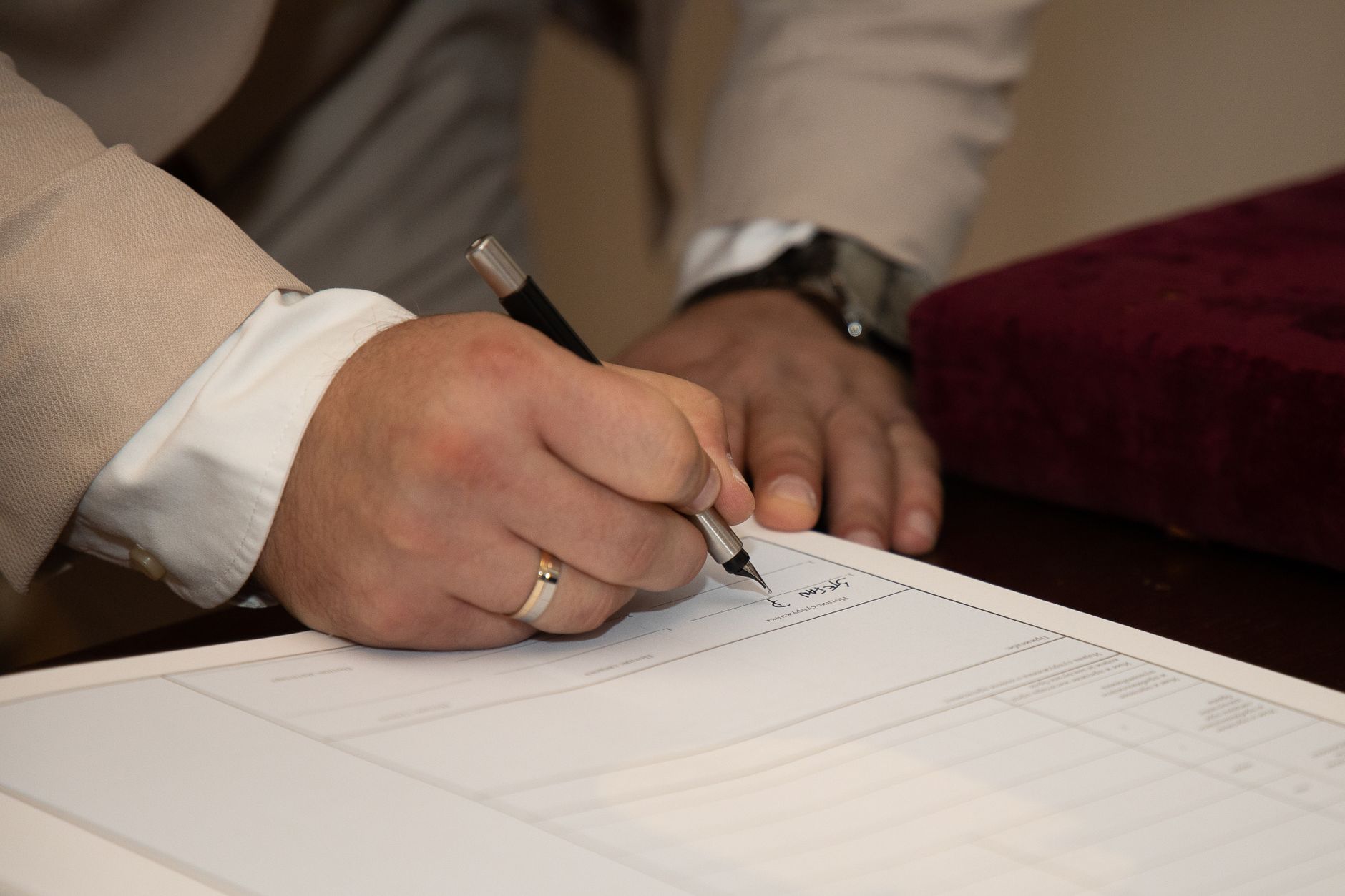
When a foreign leaseholder dies in Thailand, the lease does not automatically pass to their heirs the way a freehold asset does. Whether your leasehold interest survives your death depends on three things: what the lease contract says, whether Thai probate validates the transfer, and whether the remaining lease term has any practical value for the inheriting party.
This guide explains what Thai law actually permits, where the gaps are, and what you must do before signing a lease if protecting your family's position matters to you.
Quick answer
- Under the Thai Civil and Commercial Code, a registered lease is a personal right, not a property right in the full sense. It can be inherited, but only if the lease contract explicitly permits assignment or inheritance.
- A standard 30-year lease registered at the Land Office does not automatically include a right of inheritance unless the contract states it.
- Renewal clauses for a second or third 30-year term are contractually binding on the original landowner, but a new landowner who buys the land after your death is not bound by unregistered renewal promises.
- Thai probate for a foreign national's estate can take 12 to 24 months in practice, during which the lease keeps running and eating into its remaining term.
- If the lease was structured through a Thai company (a common workaround), shares in that company can be inherited, but this route carries its own legal risks and is not a clean substitute for a properly drafted lease.
- As of 2026, there is no legislative pathway for foreigners to hold freehold land in Thailand. Leasehold remains the main long-term land-access route, so getting the inheritance clause right is critical.
Options and scenarios
Scenario 1: The lease contract is silent on inheritance
If your lease agreement does not mention inheritance, Thai courts have generally treated the lease as terminating on the leaseholder's death. The land reverts to the owner. Your heirs may receive nothing for the unexpired term, even if they paid a large upfront premium. This is the most common and most dangerous situation. Many off-plan or private developer leases in tourist areas contain no inheritance language at all.
Scenario 2: The lease contract contains an explicit inheritance clause
A well-drafted lease will state that the leasehold interest forms part of the leaseholder's estate and may be transferred to named heirs or any lawful heir under a will. This clause, when registered at the Land Office as part of the lease, gives heirs a legal basis to claim the remaining term. The registration is essential: an unregistered side agreement is very difficult to enforce against a new landowner.
In practice, you should ask the developer's lawyer or your own independent Thai lawyer to confirm the inheritance clause is in the registered lease instrument, not just in a separate MOU or side letter.
Scenario 3: The 90-year lease structure
Many developers market a '90-year lease' - three consecutive 30-year periods. As of 2026, only the first 30-year term can be registered at the Land Office under the Land Code. The second and third 30-year renewal terms exist only as contractual promises in the lease agreement itself.
For inheritance purposes, this creates a layered risk. The registered 30-year term may be inheritable if the contract says so. The renewal terms beyond year 30 are contractual rights against the original developer or landowner. If that landowner sells the land, dies, or becomes insolvent, a new owner is not automatically bound by those renewal promises unless they took the land with explicit knowledge and acceptance of those obligations - which is difficult to prove and rarely guaranteed in writing.
If you are buying a leasehold property partly for the benefit of your children or heirs, you must ask: what is the remaining registered lease term likely to be when inheritance occurs, and what is the contractual enforceability of any renewal beyond that?
Scenario 4: Leasehold held through a Thai company
Some foreign buyers hold land rights through a Thai-majority-owned limited company. In this structure, the land or the lease is owned by the company, and the foreign buyer holds a minority share stake (typically up to 49% under the Foreign Business Act). The land right itself does not transfer on death; instead, the shares transfer.
Shares in a Thai private limited company can be bequeathed by will or transferred under Thai probate. However, there are risks: a majority of the Thai shareholders can vote on company decisions, and the structure may be scrutinized by the Department of Business Development or the Land Department as a nominee arrangement, which is prohibited under Thai law. This route is not recommended as the primary inheritance vehicle. It is included here because it is common in practice and buyers need to understand the limits.
Scenario 5: Freehold condominium unit (the cleaner alternative for inheritance)
Foreign nationals can hold freehold title to a condominium unit under the Condominium Act, subject to the foreign ownership quota (foreigners may collectively own up to 49% of the total sellable area in a condominium building). A freehold title - recorded as a chanote (full title deed, the highest form of land title in Thailand) in the buyer's name - can be inherited by foreign heirs under Thai probate law without the lease-termination risk.
For buyers whose primary concern is passing an asset to heirs, a freehold condo unit within the 49% foreign quota is the structurally simpler option. This is not available for land or landed houses, which is why leasehold remains relevant for villa-type properties.
Scenario 6: The probate timing problem
Even when inheritance is legally permitted, Thai probate for a foreign national's estate is slow. Courts in Phuket, Chiang Mai, and Bangkok typically process international estate cases over 12 to 24 months. During this period, annual lease fees may still be due, property management costs continue, and - critically - the lease term keeps running. If a 30-year lease was registered in 2010 and the leaseholder dies in 2030, there may be only 10 years remaining by the time heirs can legally claim and sell the interest. A 10-year residual lease has very limited resale value.
This is a practical argument for structuring inheritance documents and powers of attorney early, and for choosing properties where the lease was registered recently or where a renewal mechanism is contractually solid.
Comparison table
| Factor | Leasehold (no inheritance clause) | Leasehold (with registered inheritance clause) | Freehold condo (chanote in foreign name) |
|---|---|---|---|
| Can heirs inherit the asset? | No - lease likely ends on death | Yes - heirs may claim remaining term | Yes - standard inheritance under probate |
| Registration at Land Office required? | N/A | Yes - clause must be in registered instrument | Yes - chanote title already registered |
| Renewal terms (years 31-60) enforceable against new landowner? | No | No - contractual only, not against new owner | N/A - freehold has no expiry |
| Probate complexity for foreign national | Moderate (asset may be lost anyway) | Moderate to high - 12 to 24 months typical | Moderate - same probate timeline, but asset is preserved |
| Resale value of inherited interest | Low to zero (short residual term) | Depends on years remaining and renewal rights | Market value at time of sale |
| Risk if original landowner sells land | High - new owner not bound | Medium - registered clause has some protection, renewal clauses remain at risk | None - freehold is independent of land ownership |
| Foreign ownership restrictions | None specific to leasehold | None specific to leasehold | 49% building quota must have headroom |
| Suitable for landed villa / house? | No (dangerous) | Yes, if drafted correctly | No - condos only |
| Suitable for land plot only? | No | Possible, with careful drafting | No |
Risks and mistakes
Risk 1: Trusting the developer's standard lease without independent review
Developer-issued leases are drafted to protect the developer, not you. Inheritance language is frequently absent or vague. Before you pay any reservation fee, have an independent Thai lawyer review the full lease instrument - not a summary document. The review should confirm whether the inheritance clause is present and whether it is included in the Land Office registration.
Risk 2: Relying on a side letter or MOU for renewal and inheritance rights
A side letter is a document signed alongside the main lease but not registered at the Land Office. It is contractually binding on the parties who signed it, but it has no legal effect against a third party (such as a new landowner who buys the land later). If your inheritance rights or your 30-year renewal rights exist only in a side letter, they are weaker than rights registered at the Land Office.
Risk 3: Assuming a 90-year lease gives your children 90 years
The registered lease term is 30 years. The additional 60 years are contractual. If the original landowner company dissolves, is sold, or faces insolvency, the contractual renewal promise may be unenforceable. Your children may inherit a right that runs for less than 30 years, with no guaranteed renewal.
Risk 4: Ignoring the probate clock
The lease term keeps running during probate. A 30-year lease with 12 years remaining, subject to a 24-month probate process, hands your heirs an asset with 10 years of registered use left. That is not very useful as a home or as a sellable asset. Plan inheritance timing relative to the remaining lease term.
Risk 5: Not making a Thai will
If you own property in Thailand, Thai courts will apply Thai succession law to assets physically located in Thailand (and sometimes to assets held through Thai entities). A will made in your home country may need to be translated, authenticated, and re-validated in a Thai court. The process takes time and money. Making a separate Thai will that covers your Thai assets specifically is strongly recommended. Your Thai will should be drafted by a Thai lawyer and cover the lease interest explicitly.
Risk 6: Overlooking annual lease fees as a condition of continuation
Some leases are structured with annual or periodic lease fees rather than a single upfront premium. If the leaseholder dies and the estate cannot pay the periodic fee before probate is resolved, the landowner may argue the lease has lapsed. Check the payment structure of any lease before signing.
Risk 7: Company-structure nominee risk
If land rights are held through a Thai company with Thai nominees, those nominees hold the controlling vote. On the foreign buyer's death, the nominee shareholders do not automatically become loyal to the heirs. Disputes over company control are a real risk in this scenario and can effectively freeze the asset.
FAQ
Can a foreign national inherit a leasehold property in Thailand?
Yes, if the lease contract explicitly permits the leasehold interest to be assigned or inherited. Without a clause in the registered lease, Thai courts have generally treated the lease as a personal right that ends on the leaseholder's death. Always confirm inheritance language is in the registered instrument at the Land Office, not only in a side document.
What happens to a Thailand lease when the leaseholder dies?
If the lease is silent on inheritance, the lease may terminate and the land reverts to the owner. If the lease includes a valid, registered inheritance clause, the remaining lease term can be claimed by heirs through Thai probate. Probate for foreign nationals in Thailand typically takes 12 to 24 months, during which the lease continues to run.
Does a 90-year leasehold in Thailand pass in full to heirs?
Not automatically. Only the first 30-year term can be registered at the Land Office under Thai law as of 2026. The second and third 30-year renewal terms exist as contractual promises. These contractual rights may be inherited, but they are not binding against a new landowner who acquires the land after the original landowner. Your heirs would inherit a registered term of whatever years remain, plus a contractual claim to renewal - which carries execution risk.
Is a freehold condo title easier to inherit than a leasehold?
Yes. A freehold condominium unit held in a foreign buyer's name as a chanote (full title deed) is an asset that passes through Thai probate in the same way as other property. There is no lease-termination risk. The main constraint is the 49% foreign ownership quota in the building. Within that quota, freehold is the cleaner inheritance vehicle for buyers who want to pass a Thai property asset to heirs.
Does a Thai will cover a leasehold property?
A Thai will that explicitly names the leasehold property and the intended beneficiary is the most practical instrument for ensuring heirs can claim a leasehold interest efficiently. Without a Thai will, heirs may need to have a foreign will validated in a Thai court, which adds time and cost. Thai lawyers typically draft a Thai property will as a separate document from a home-country will.
Can heirs sell an inherited leasehold property in Thailand?
Yes, if the lease contract permits assignment (transfer to a third party). Many leases in Thailand require the landowner's written consent to assign. Without an assignment right in the lease, heirs cannot sell the leasehold interest to a buyer. This is a key clause to verify before purchase. A lease with no inheritance clause and no assignment clause has very limited transferable value.
What is the Land Office registration requirement for a lease inheritance clause?
For a lease inheritance clause to be enforceable against a third party (such as a new landowner), it must be part of the lease instrument registered at the Provincial Land Office. A clause only in a private agreement or side letter binds the original contracting parties but is not automatically binding on anyone who later acquires the land. Registration of the clause is a non-negotiable protection for heirs.
How long does Thai probate take for a foreign national's estate?
In practice, as of 2026, Thai probate for foreign nationals owning property in Thailand takes between 12 and 24 months for straightforward cases. Complex cases, disputes between heirs, or missing documentation can extend this. During probate, the lease term continues to expire. Engaging a Thai lawyer before death to prepare estate documents reduces delays significantly.
Can a foreign national's child inherit a Thai leasehold if they are not Thai?
Yes. Thai succession law does not bar foreign heirs from inheriting a leasehold right, provided the lease contract permits inheritance and probate is completed correctly. The heir takes the remaining lease term, subject to all the original conditions. The heir must comply with the same lease obligations (fees, use restrictions) as the original leaseholder.
What questions should a buyer ask the seller's lawyer before signing a lease?
Ask specifically: (1) Does the registered lease instrument include an explicit inheritance clause? (2) Does the lease include an assignment right, and does it require landowner consent? (3) Are the renewal terms for years 31 to 90 registered or only contractual? (4) What happens to the lease if the landowner sells the land? (5) Is the annual lease fee (if any) a condition for continuation, and what is the cure period if it is not paid? Get written answers, not verbal reassurances.
Planning a property purchase in Thailand? Send us your requirements - the THAI.ESTATE team will reply with specific options and a safety checklist for your case.