Editorial
Thai Property Beyond Bangkok: 6 Regional Markets for Foreign Buyers in 2026
By THAI.ESTATE Editorial Team18 min read
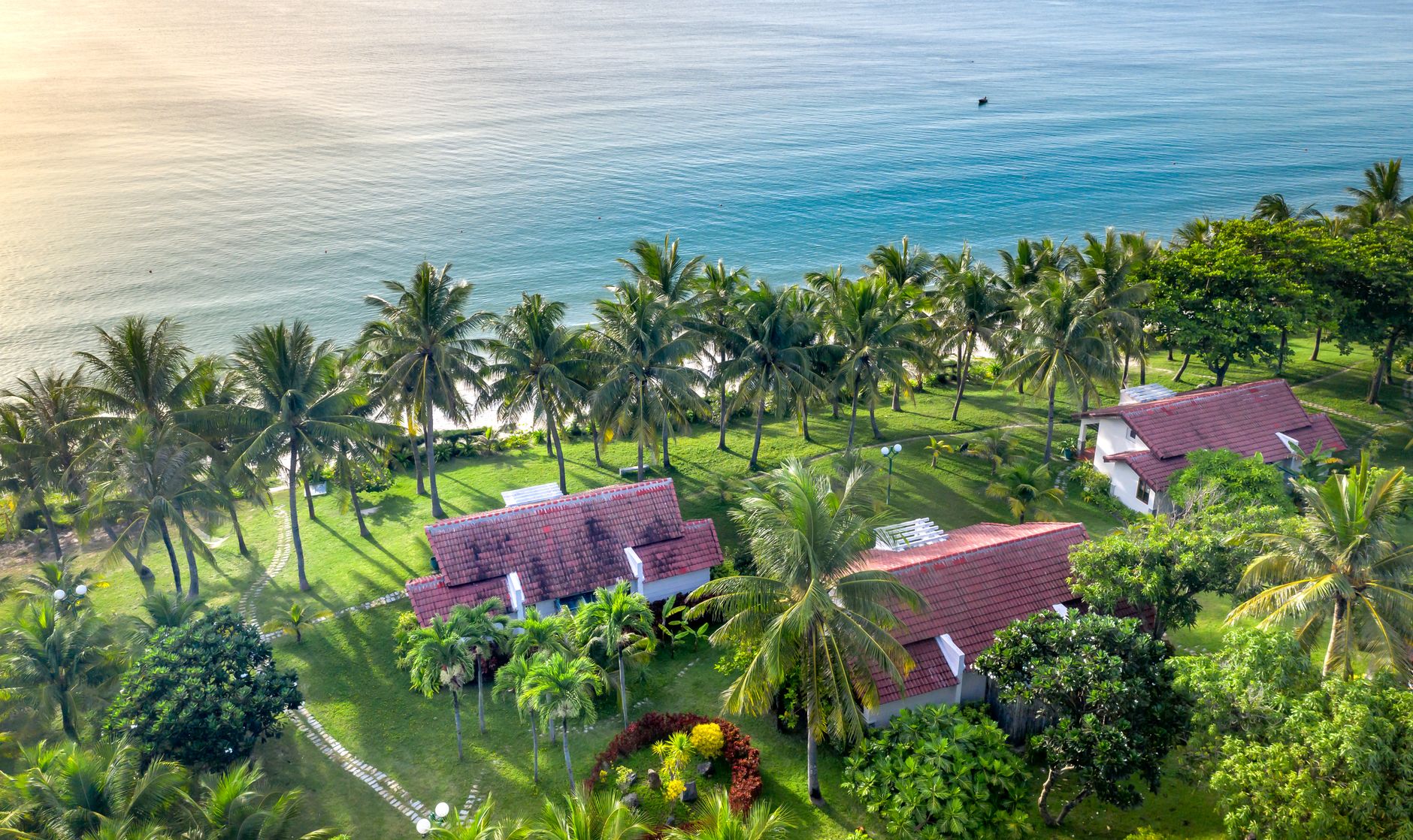
Bangkok is no longer the default answer for foreign buyers seeking property growth in Thailand. As of 2026, the capital carries roughly 65,300 unsold condominiums valued at around THB 370 billion, with recovery estimated at two to three years away, per Bangkok Post, October 2026. Meanwhile, a structural shift is underway: real estate demand is dispersing to Phuket, Phang Nga, the Eastern Economic Corridor (EEC) coastal belt, and a handful of other regional markets that offer better supply conditions, clearer demand drivers, and in some cases stronger legal footing for foreign ownership.
This guide maps six regional alternatives. For each, you will find an honest assessment of who should buy, who should not, and what the key risks are.
Quick answer
- Bangkok oversupply is structural, not cyclical. About 25,700 completed condos sit unsold; Chinese buyer transfers fell roughly 13% in 2025 per Bangkok Post, October 2026. Recovery is a multi-year process.
- Phuket and Phang Nga are the clearest beneficiaries of dispersal, driven by tourism recovery, limited beachfront land, and rising hospitality-linked residential demand, per JLL data cited in Property and Build Asia, October 2026.
- EEC coastal hubs (Rayong, Chonburi zone) gain from industrial relocation and Thailand's China+1 manufacturing strategy, creating long-stay worker and executive rental demand.
- Foreign freehold is legally possible only in registered condominium units where foreign quota (49% of floor area) is available. Leasehold on land remains the standard structure for villas and houses.
- Price per square metre estimates below are indicative market figures as of 2026 and vary by building quality, location within a district, and developer.
- Rental yield profiles differ sharply by market: holiday-let markets (Phuket) can produce gross yields of 6-8% on paper, but net yields after management fees and vacancy are closer to 4-5%. Long-stay markets are lower-yield but more predictable.
Options and scenarios
Is Phuket still a strong market for foreign buyers in 2026?
Phuket remains Thailand's most liquid residential market for foreign buyers outside Bangkok. The island draws a globally diverse buyer base: European retirees, Middle Eastern second-home seekers, Australian long-stay families, and increasingly remote workers. This breadth of demand reduces dependence on any one nationality.
Supply discipline varies by district. Bang Tao and Layan in the northwest have absorbed significant condominium and villa supply, but well-priced stock continues to transact because the Laguna resort corridor anchors a stable rental ecosystem. Indicative prices in Bang Tao range from THB 120,000 to THB 200,000 per square metre for condominium units (market estimates, 2026), with standalone pool villas on leasehold land priced from THB 8 million upward depending on plot size.
Kamala and Surin sit between Bang Tao and Patong geographically, but closer to a quieter, longer-stay profile. Surin in particular attracts buyers who want beach proximity without the entertainment strip of Patong. Prices in Kamala are broadly similar to Bang Tao; Surin commands a modest premium for sea-view units.
Karon, Rawai, and Nai Harn in the south offer lower entry prices, typically THB 80,000 to THB 130,000 per square metre for condominiums (market estimates, 2026). Rawai has a well-established expat retiree community. Nai Harn is quieter, with limited new supply and a beach that is accessible only part of the year due to monsoon surf. Rental demand in the south is weaker in the off-season (May to October), which compresses annual yields.
Airport access: Phuket International Airport is served by direct flights from Europe (seasonal), the Middle East, Australia, and across Asia. This is a core demand driver that other Thai islands cannot match.
Healthcare: Bangkok Hospital Phuket and Vachira Hospital serve the island. International-standard care is available, though for complex cases patients travel to Bangkok.
International schools: Several international schools operate on the island, making Phuket viable for families with school-age children.
Rainy season character: May to October brings heavy rain, reduced tourist arrivals, and west-coast beach closures due to surf conditions. East-coast beaches (near Rawai, Chalong) are calmer in this period. Rental income drops significantly in the off-season for short-let properties.
Who should buy in Phuket: Buyers seeking a holiday home with genuine rental income potential, retirees wanting year-round warmth and international infrastructure, and investors with a five-plus year horizon.
Who should not buy in Phuket: Buyers expecting Bangkok-style capital appreciation timelines or those unwilling to absorb 5-6 months of lower rental income each year. Also avoid any project without confirmed foreign freehold quota documentation.
Is Phang Nga an emerging alternative to Phuket?
Phang Nga province, directly north of Phuket, is identified by JLL as a notable emerging coastal market, per Property and Build Asia, October 2026. The area around Khao Lak and the Phang Nga Bay coastline is seeing early-stage residential development targeting buyers who find Phuket prices stretched.
Indicative condominium prices in established Khao Lak developments sit at THB 60,000 to THB 100,000 per square metre (market estimates, 2026), a meaningful discount to equivalent Phuket product. Luxury villa projects in quieter bay-facing plots are attracting boutique developer interest.
The trade-off is infrastructure. Phang Nga has no international airport of its own; buyers rely on Phuket Airport roughly 80-90 kilometres south. Road connections are good but the drive adds friction. Healthcare is limited locally; serious medical needs require Phuket. International schools are absent.
Who should buy in Phang Nga: Early-movers willing to accept thinner infrastructure in exchange for lower entry prices and lower supply competition. Best suited to buyers with a long horizon (seven-plus years) who believe proximity to Phuket is a sufficient demand anchor.
Who should not buy in Phang Nga: Buyers who need immediate rental income, families with school-age children, or those who are not comfortable with illiquidity. The resale market is far thinner than Phuket.
What does Koh Samui offer foreign buyers compared to Phuket?
Koh Samui is Thailand's second most active island market for foreign residential buyers. The island's demand profile skews toward European and Russian long-stay residents, retirees, and wellness-oriented buyers.
The four main areas relevant to buyers are:
Bophut: A quieter north-coast village with a functioning expat community, a Saturday walking street, and a mix of low-rise condominiums and standalone villas. Prices for condominiums range from THB 80,000 to THB 130,000 per square metre (market estimates, 2026).
Maenam: The most affordable north-coast option, favoured by retirees and long-stay renters. Lower supply pressure than Bophut. Condominium prices from THB 60,000 to THB 90,000 per square metre (market estimates, 2026).
Chaweng: The commercial and entertainment centre. Short-let rental demand is the strongest on the island here, but noise, traffic, and construction are constant trade-offs. Condominium prices broadly THB 90,000 to THB 150,000 per square metre (market estimates, 2026).
Lamai: South of Chaweng, quieter, with a beach that is usable year-round on the east coast. A middle ground between Bophut's calm and Chaweng's activity.
Samui vs Phuket: Samui's airport is served by fewer international routes and many connections require a Bangkok transit. This structurally limits the tourist ceiling. Healthcare on Samui has improved but remains below Phuket's standard. No international schools operate at the same scale. In exchange, Samui offers a slower pace, lower prices, and a more stable long-stay community.
Rainy season character: Samui's wet season runs roughly October to December, later than Phuket. The east-coast location means the island can remain accessible when Phuket's west coast is rough, but the Gulf of Thailand monsoon brings its own flooding and storm risks.
Who should buy in Koh Samui: Retirees seeking a quieter lifestyle at lower cost, buyers wanting a long-term holiday home rather than a high-yield investment, and those who value community stability over capital gain.
Who should not buy in Koh Samui: Buyers prioritising liquidity, strong short-term rental yields, or international school access.
Are EEC coastal hubs worth considering?
The Eastern Economic Corridor covers Chonburi, Rayong, and Chachoengsao provinces. The government is actively attracting high-value manufacturing, electronics, electric-vehicle production, and advanced logistics here under a China+1 industrial diversification strategy, per Property and Build Asia, October 2026.
This creates a residential demand profile that is fundamentally different from tourism markets: long-stay executives, skilled workers, and their families. Rental demand is less seasonal and more predictable, but it is also less lucrative per square metre than a well-run Phuket holiday let.
Pattaya, within the Chonburi zone, has an established foreign-buyer condominium market with a large foreign freehold inventory. Indicative condominium prices in central Pattaya and Jomtien range from THB 50,000 to THB 100,000 per square metre (market estimates, 2026), with sea-view premium units higher. The market has historically been supply-heavy, so buy-to-let returns are compressed unless the unit is well-located and well-managed.
Rayong itself is more industrial in character and less attractive for lifestyle buyers, but purpose-built serviced apartments and small condominiums targeting expatriate workers are a growing niche.
Who should buy in the EEC zone: Buyers comfortable with an industrial-adjacent demand story, those seeking stable long-let income rather than holiday yields, and investors who track infrastructure-linked growth over a five-to-ten year horizon.
Who should not buy in the EEC zone: Buyers seeking a lifestyle destination, retirees wanting beach and quiet, or those who need strong short-let rental demand.
What about Chiang Mai for foreign buyers?
Chiang Mai is Thailand's cultural and digital-nomad capital in the north. The city attracts remote workers, retirees seeking cool-season relief, and buyers who want a lower cost of living than coastal markets.
Condominium prices are among the most affordable of any major Thai city: THB 40,000 to THB 80,000 per square metre in central areas (market estimates, 2026). Rental demand from digital nomads, long-term expats, and visiting students supports occupancy in popular neighbourhoods like Nimman and the Old City surrounds.
The structural challenge is seasonal air quality. From February to April, agricultural burning in the surrounding hills and cross-border haze from Myanmar produce PM2.5 levels that exceed safe limits by multiples. This is a documented, recurring annual event that depresses tourism arrivals in those months and is a genuine health concern for permanent residents.
International schools: Several international schools operate in Chiang Mai, making it viable for families.
Healthcare: The city has high-quality private hospitals.
Who should buy in Chiang Mai: Budget-conscious buyers, those seeking a genuine city lifestyle rather than a beach destination, and buyers who can tolerate the seasonal air quality issue or plan to travel during peak haze months.
Who should not buy in Chiang Mai: Anyone with respiratory conditions, buyers expecting strong short-let holiday yield, or those who want beachfront lifestyle.
Is Bangkok still worth considering despite oversupply?
The honest answer is: only for specific sub-markets and specific buyer profiles. The headline figures are difficult to ignore. Bangkok carries approximately 65,300 unsold condominiums and recovery is estimated at two to three years away, per Bangkok Post, October 2026. Over half of unsold units are priced below THB 3 million, suggesting the problem is concentrated in mass-market segments. Transfers to Chinese buyers fell roughly 13% in 2025 amid fewer arrivals and tighter due-diligence scrutiny of ownership structures.
For foreign buyers, the safer Bangkok sub-markets are premium areas: Sukhumvit (particularly lower Sukhumvit near BTS stops, where long-stay corporate tenants and diplomats create stable demand), Sathorn (a central business district area with a professional rental base), and Ari (a quieter mid-Sukhumvit alternative favoured by creative professionals and Thai upper-middle-class renters).
In these sub-markets, a well-chosen unit in a low-supply building can still produce stable occupancy. The issue is capital appreciation: do not expect significant price growth in Bangkok for two to three years based on current data.
Who should buy in Bangkok: Corporate renters wanting a pied-a-terre, buyers with a ten-plus year horizon in premium sub-markets, or those moving to Bangkok for work who want to own rather than rent.
Who should not buy in Bangkok: Anyone seeking capital growth in the next two to three years, buyers relying on Chinese buyer resale demand, or those looking at mass-market sub-THB 3 million units.
Comparison table
| Parameter | Phuket (Bang Tao / Surin) | Koh Samui (Bophut) | EEC / Pattaya | Phang Nga | Chiang Mai | Bangkok (Sukhumvit) |
|---|---|---|---|---|---|---|
| Indicative price per sqm (2026 estimate) | THB 120,000-200,000 | THB 80,000-130,000 | THB 50,000-100,000 | THB 60,000-100,000 | THB 40,000-80,000 | THB 100,000-180,000 |
| Foreign freehold condo quota available | Yes, in most projects | Yes, in most projects | Yes, well-established | Limited projects | Yes | Yes, large inventory |
| Primary rental demand | Holiday-let, long-stay | Long-stay, retirees | Executive long-let | Early-stage holiday | Digital nomad, long-stay | Corporate long-let |
| Gross rental yield range (estimate) | 6-8% gross, 4-5% net | 4-6% gross | 4-6% gross | Speculative at this stage | 4-6% gross | 4-6% gross |
| Airport access | Direct international flights | Bangkok transit required | 1-2 hours to BKK airports | Via Phuket airport | Direct flights | 2 BKK airports |
| International schools | Yes | Limited | Yes (Pattaya area) | No | Yes | Yes, wide choice |
| International-standard healthcare | Yes | Basic-moderate | Yes (Pattaya) | Limited | Yes | Excellent |
| Rainy / low season risk | May-Oct west coast | Oct-Dec | Mild | May-Oct | Feb-Apr (haze) | May-Oct (flooding risk) |
| Supply pressure | Moderate, varies by district | Low-moderate | High in Pattaya central | Very low | Low-moderate | Very high |
| Capital growth outlook (2-3 years) | Moderate-positive | Low-moderate | Low, long-term positive | Speculative | Low | Flat to negative |
| Who it suits | Lifestyle + yield buyers | Retirees, long-stay | Industrial-era investors | Early-movers | Budget buyers, nomads | Corporate, long-horizon |
Risks and mistakes
Buying outside foreign freehold quota. Thai law allows foreigners to own condominium units outright (freehold), but only up to 49% of a building's total floor area. Before paying any reservation fee, confirm in writing from the juristic person (the legal management body of the building) that foreign quota remains available. Buying into a full-quota building means you can only hold the unit on a leasehold basis, which affects resale value.
Leasehold structure without renewal clarity. Villas and houses are almost always sold to foreigners on a 30-year leasehold, since foreigners generally cannot own land directly under the Land Code. Some contracts include renewal options or a further 30-year term. These renewal clauses are not automatically enforceable under Thai law in all circumstances. Have a qualified Thai lawyer review the lease structure before signing.
Overlooking construction noise corridors. Bang Tao, Kamala, and parts of Bophut are active construction zones. If you are buying for rental income, a unit next to a multi-year construction site will lose occupancy and nightly rates. Visit the site, check the surrounding land zoning, and ask about neighbouring development permissions.
Over-relying on developer rental guarantees. Some developers offer guaranteed rental returns for two to three years post-completion. These guarantees are obligations of the developer, not a regulated financial instrument. If the developer runs into financial difficulty, the guarantee has no independent backing. Treat guaranteed-return offers as a sales tool, not a financial safety net.
Seasonal vacancy miscalculation. Buyers in Phuket's west-coast markets often project full-year occupancy based on high-season rates. In practice, May to October sees sharply reduced arrivals on the west coast. A realistic model should assume 60-70% annual occupancy for holiday-let units in established locations, and lower for new or peripheral projects.
Buying in a foreign land crackdown zone. Thai authorities have increased scrutiny of structures where foreigners use Thai nominees to hold land illegally in their name. This risk is higher on the mainland than on islands with established condominium markets. Avoid any arrangement that puts land title in a Thai person's name on your behalf without proper legal structuring reviewed by independent counsel.
Bangkok mass-market units as investments. The data is clear: over 65,300 unsold condominiums in Bangkok, with more than half priced below THB 3 million, per Bangkok Post, October 2026. Buying into this segment because the price looks low is a value trap if demand recovery is two to three years away and resale competition is intense.
Ignoring transfer and holding costs. Transfer fee in Thailand is typically 2% of the appraised value. Withholding tax and specific business tax apply on resale depending on holding period. Annual maintenance fees and sinking fund contributions (a one-time capital reserve payment required at purchase) vary by project. Model these into your total cost before committing.
FAQ
Which Thai region has the best property growth prospects for foreign buyers in 2026?
Based on current supply and demand data, Phuket (particularly Bang Tao, Layan, and Kamala districts) offers the clearest combination of foreign-freehold legal safety, established international demand, and moderate capital growth prospects. Phang Nga is an early-stage alternative for buyers willing to accept illiquidity for lower entry prices. The EEC coastal zone suits industrial-demand investors on a long horizon.
Can a foreigner own property outright in Thailand outside Bangkok?
Yes, but only in registered condominium units where the building's foreign ownership quota (49% of total floor area) has not been exhausted. This applies equally in Phuket, Koh Samui, Pattaya, and Chiang Mai. For villas and houses, the standard structure for foreigners is a 30-year leasehold on the land, with the building itself owned outright. Always verify available foreign quota with the building's juristic person before paying any fee.
Is Phuket or Koh Samui better for retirement?
Phuket suits retirees who want international-standard healthcare, a wider choice of international restaurants and services, direct long-haul flights, and access to international schools if grandchildren visit. Koh Samui suits retirees who prioritise a quieter pace, a tight-knit long-stay expat community, and lower property prices. The trade-off is that Samui's healthcare and flight connections are materially weaker than Phuket's.
Is Bang Tao good for property investment?
Bang Tao has a well-established holiday-let market anchored by the Laguna resort corridor, which provides a managed rental ecosystem and consistent demand from European and Australian visitors. Indicative gross yields are 6-8%, with net yields closer to 4-5% after management fees and off-season vacancy (market estimates, 2026). It is a reasonable mid-risk investment choice within Phuket, but not a high-growth market - it is a yield and lifestyle play, not a speculative one.
Why is Bangkok property not recommended for foreign investors right now?
Bangkok carries approximately 65,300 unsold condominiums as of 2026, with recovery estimated at two to three years away, per Bangkok Post, October 2026. Chinese buyer transfers, which drove a meaningful portion of foreign demand, fell roughly 13% in 2025. New supply continues to enter the market. Capital appreciation is unlikely in the short term, and rental competition is intense in the mass-market segment.
What is a sinking fund and do I need to pay it in regional Thai markets?
A sinking fund is a one-time capital reserve payment made at the point of purchase in a Thai condominium. It is held by the building's juristic person and used for major maintenance (roof, elevators, shared infrastructure). It is required across all Thai condominium markets, not just Bangkok. Typical amounts range from THB 500 to THB 1,000 per square metre, but vary by project. Confirm the amount before signing any purchase agreement.
Is Chiang Mai safe from a legal perspective for foreign property buyers?
Chiang Mai has a well-developed condominium market with foreign freehold quota available in many projects. The legal framework is identical to Phuket or Bangkok: foreign ownership is permitted in condominium units up to the 49% floor-area quota. The main non-legal risk specific to Chiang Mai is seasonal air quality (February to April), which is a health concern rather than a legal one.
What due diligence should I do before buying in a regional Thai market?
Key steps: verify foreign freehold quota availability in writing from the juristic person; engage an independent Thai lawyer (not the developer's recommended lawyer) to review the title deed (a chanote is the strongest form of title - a fully registered freehold certificate), the sales and purchase agreement, and the leasehold structure if applicable; obtain a Foreign Exchange Transaction (FET) certificate from your bank when transferring funds from overseas (this document proves the money originated abroad and is required to remit funds out of Thailand when you eventually sell); inspect the site in person and check neighbouring land zoning; and model realistic occupancy and cost scenarios rather than relying on developer projections.
How does the EEC affect property demand in Pattaya and Rayong?
Thailand's Eastern Economic Corridor policy is attracting high-value manufacturing, electric vehicle supply chains, and advanced logistics investment to Chonburi and Rayong, per Property and Build Asia, October 2026. This creates long-stay residential demand from executives and skilled workers, which is less seasonal than tourism demand. For property investors, this is a long-term structural demand driver rather than an immediate yield story. Pattaya benefits as the nearest lifestyle centre for EEC workers, but Pattaya's central condo market already has significant supply that absorbs some of this upside.
What does a Foreign Exchange Transaction (FET) certificate mean for buyers in regional markets?
A Foreign Exchange Transaction certificate (FET) is issued by a Thai bank when you transfer foreign currency into Thailand to purchase property. It records the amount, currency of origin, and the buyer's name. You need this document to prove the funds came from abroad when you sell the property and wish to repatriate the proceeds. This requirement applies in all Thai markets - Bangkok, Phuket, Samui, and everywhere else. Always transfer purchase funds as a declared inward remittance and obtain the FET certificate from the receiving bank at the time of transfer.
Planning a property purchase in Thailand? Send us your requirements - the THAI.ESTATE team will reply with specific options and a safety checklist for your case.