Editorial
Phuket's THB 214 Billion Infrastructure Boom: Which Zones Gain Value for Foreign Buyers
By THAI.ESTATE Editorial Team16 min read
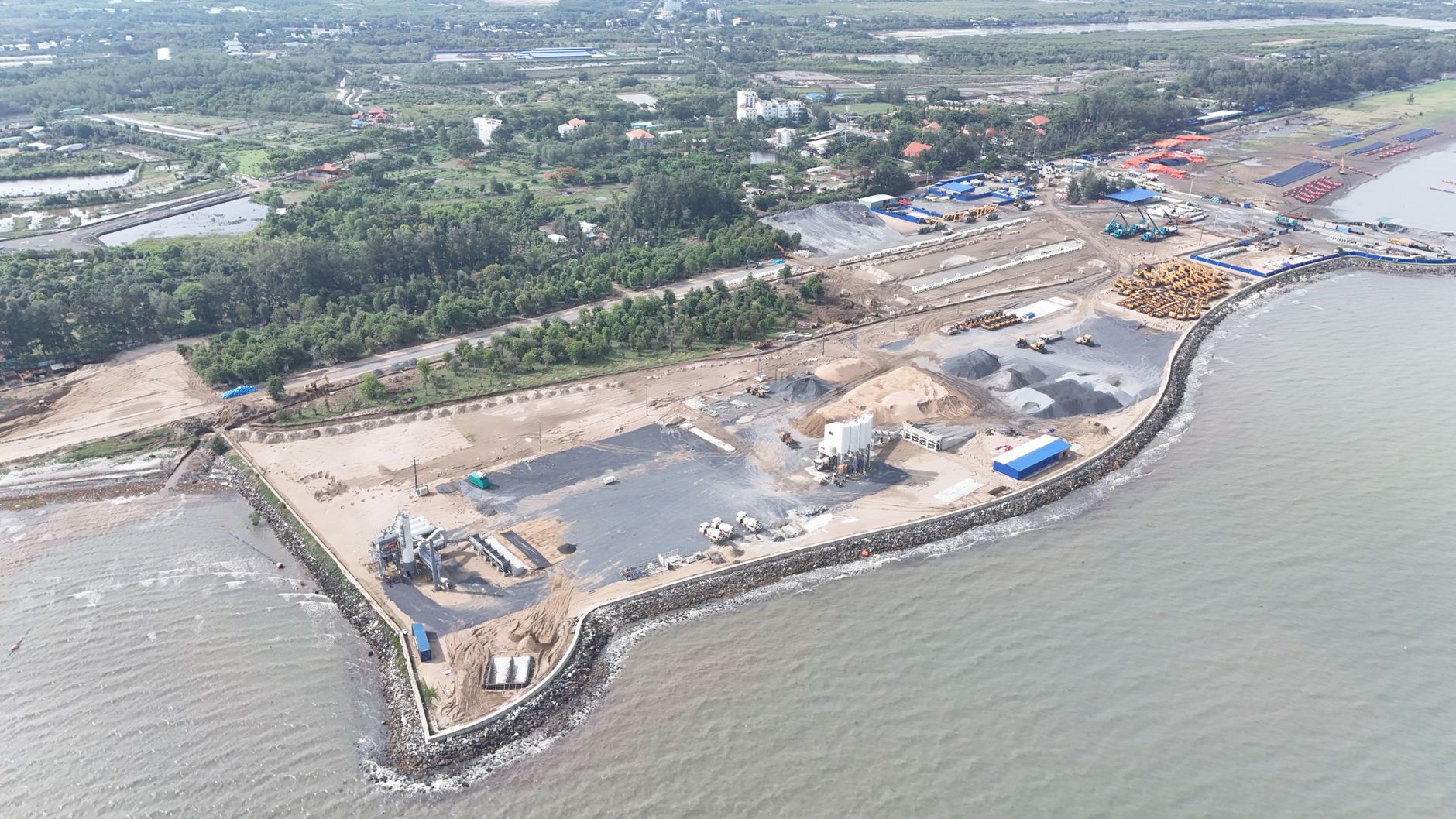
Phuket is mid-way through the largest capital investment cycle in its modern history. A pipeline of infrastructure projects worth over THB 214 billion - spanning a new international airport, a light rail network, expressways, and major hospitals - is actively reshaping which micro-locations offer durable long-term value and which carry speculative risk. If you are buying residential property in Phuket today, this infrastructure map is the single most important filter to apply before you shortlist any unit.
The projects are real and largely funded. Per Nation Thailand, October 2026, the headline figures include the New Andaman Airport at approximately THB 80 billion, the Synthesis Ark Phuket mixed-use development at approximately THB 50 billion, Phuket's light rail at approximately THB 35.35 billion, and expansion of the existing Phuket International Airport at approximately THB 10 billion. These are not proposals - they are projects in procurement or early construction phases, with delivery timelines stretching to 2029 and beyond.
A parallel signal reinforces the demand case. Per Bangkok Post, October 2026, Phuket's retail property supply is forecast to grow nearly 30% to 601,819 square metres by 2029, driven by demand from tourists, residents, and long-stay foreigners. Retail follows rooftops. Where retail developers commit capital, residential demand typically consolidates. Together, these two datasets give you a practical lens for location selection.
Quick answer
- The THB 214 billion infrastructure pipeline (New Andaman Airport, light rail, expressways, hospitals) is the primary force reshaping residential property values across Phuket's micro-zones, per Nation Thailand, October 2026
- The New Andaman Airport (approximately THB 80 billion) targets the northeast coast, making Pa Khlok and the upper Phang Nga border corridor the speculative frontier with the highest risk-reward range
- The light rail (approximately THB 35.35 billion), planned to run broadly north-south, favors Bang Tao, Surin, and Kamala as mid-corridor beneficiaries with existing buyer demand
- Phuket City's retail market remains the island's largest at 37.8% of total supply (163,630 square metres), per Bangkok Post, October 2026, signaling sustained urban demand around the Old Town and Karon axis
- Rawai and Nai Harn sit largely outside the infrastructure corridor - they offer lifestyle value and lower prices but limited near-term infrastructure uplift
- Foreign buyers can legally own condominium units outright under the Condominium Act (the foreign quota is 49% of total floor area per building); land ownership remains restricted for non-Thais
Options and scenarios
Bang Tao and Layan: the established mid-corridor choice
Bang Tao is already Phuket's most liquid market for foreign buyers. The beach is long, flat, and family-friendly. Laguna Phuket resort complex anchors consistent hotel-grade rental demand, targeting European and Australian long-stay visitors. As of 2026, market estimates for condominium prices in Bang Tao range from approximately THB 90,000 to THB 180,000 per square metre, depending on finish level and sea-view premium.
The planned light rail corridor passes close to this coast. If the rail reaches operational status - the current indicative timeline points toward the early 2030s - Bang Tao and its northern extension, Layan, would gain a non-car connection to Phuket International Airport. That single change would broaden the renter profile to include digital nomads and short-term professionals who currently avoid car-dependent locations. Construction noise from rail groundwork is a real near-term trade-off. Units within 300 metres of the projected corridor alignment should be assessed carefully before purchase.
Layan sits immediately north of Bang Tao. Supply is lower, plots are larger, and the buyer profile skews toward villa purchasers rather than condominium buyers. Prices are higher - market estimates suggest THB 150,000 to THB 250,000 per square metre for branded villa units. Rental yields here are lower by volume but stronger per booking night, driven by ultra-high-net-worth short-term renters.
Who should buy in Bang Tao or Layan: Buyers seeking established rental income, medium-to-long holding periods (five to ten years), and a clear exit market of other international buyers. Families wanting a walkable beach community.
Who should not: Buyers on tight budgets, anyone who needs positive cash flow from day one (vacancy months in low season, May to October, are significant), and anyone expecting the light rail to be operational within five years.
Surin and Kamala: the mid-market value corridor
Surin was historically Phuket's 'millionaires' mile' - a moniker the market has largely moved past. Today it is a mid-corridor zone with a mix of older villas and newer condominium projects. Prices as of 2026 range from approximately THB 80,000 to THB 150,000 per square metre, per market estimates. The beach is scenic but smaller than Bang Tao, and facilities within walking distance are limited.
Kamala, immediately south, has absorbed significant new supply over the past three years. It appeals to retirees and remote workers who want quiet evenings but daytime beach access. The buyer profile is predominantly European. Rental demand is holiday-focused, peaking in December through February and again in July and August. The nine-month stretch outside those peaks is real - budget for it.
Both zones sit within the indicative light rail influence area, though station proximity is uncertain until final engineering alignments are published. Do not pay a premium for an assumed station location that has not been confirmed in official documents.
Who should buy in Surin or Kamala: Mid-budget buyers (THB 4 to 8 million total budget for a one-bedroom unit) who want a quieter atmosphere, retirees, and remote workers on 12-month leases.
Who should not: Buyers who need high occupancy rates year-round. First-time Thailand buyers without a local property manager already identified.
Karon and Phuket City: the urban-demand anchor
Phuket City (the provincial capital, sometimes called Phuket Town) is not a beach zone. It is an urban center with Thai residents, government offices, international hospitals, and the island's strongest retail infrastructure. Per Bangkok Post, October 2026, Phuket City accounts for 37.8% of total retail supply at 163,630 square metres, making it the island's dominant commercial hub.
For foreign buyers, Phuket City condominiums offer the lowest entry prices on the island - market estimates suggest THB 50,000 to THB 80,000 per square metre as of 2026 - with the strongest long-stay rental demand from medical tourists, hospital staff, and Thai urban professionals. The risk here is limited holiday rental income; platforms that drive Phuket's tourism rental market do not perform as well in non-beach locations.
Karon connects the beach economy with the Chalong-to-City corridor. It has a working beach, affordable dining, and a more local atmosphere than Patong. New supply is moderate. Prices sit in the THB 70,000 to THB 120,000 per square metre range, per market estimates. Healthcare investment in Phuket - including the Songklanagarind Phuket Advanced Medical Center at approximately THB 20 billion and the Bumrungrad International Hospital Phuket at approximately THB 4.3 billion, per Nation Thailand, October 2026 - is concentrated in the south and central zones, which supports Karon's long-stay appeal.
Who should buy in Karon or Phuket City: Buyers targeting long-stay tenants (retirees, medical visitors, Thai professionals), investors comfortable with lower yields but higher occupancy consistency, and buyers with THB 3 to 6 million budgets.
Who should not: Buyers expecting strong short-term holiday rental returns, or anyone who wants a sea-view unit at this price point.
Rawai and Nai Harn: the lifestyle south
Rawai and Nai Harn sit at Phuket's southern tip. They are popular with long-term Western expats, digital nomads, and retirees who value authentic local life over resort infrastructure. Nai Harn beach is one of the island's cleanest. Prices are relatively accessible - market estimates for condominiums range from approximately THB 60,000 to THB 110,000 per square metre as of 2026.
The honest assessment: the THB 214 billion infrastructure pipeline does not prioritize this zone. The New Andaman Airport targets the northeast, the light rail corridor runs along the west coast, and the expressway projects focus on central and northern connectivity. Rawai and Nai Harn will benefit from general island prosperity, but buyers should not expect infrastructure-driven capital appreciation here on a five-year horizon.
Rainy season (May to October) is longer and quieter in the south than in the north. Some months can feel isolated. Rental demand is predominantly long-stay - monthly leases rather than nightly bookings.
Who should buy in Rawai or Nai Harn: Buyers planning to live in Phuket themselves for part of the year, long-term yield investors content with 4% to 5% annual returns, and retirees seeking a quiet, affordable base.
Who should not: Buyers expecting short-term rental yields above 6%, anyone whose plan depends on infrastructure-driven capital growth, and buyers who want walkable access to major retail or international schools.
Pa Khlok and the northeast corridor: the speculative frontier
The New Andaman Airport, at approximately THB 80 billion, is the single largest project in the pipeline. Its indicative location targets the northeast of Phuket island, near the Pa Khlok area and approaching the Phang Nga border. If it reaches completion - timelines are long and subject to regulatory and procurement stages - it would fundamentally change the value of land and property in that corridor.
As of 2026, Pa Khlok and the upper northeast remain thin markets with limited services, no major beach access, and very low rental demand. Prices are among the island's lowest, which is both the opportunity and the warning. Buying here is a long-duration bet on a government project completing on time. Thailand's infrastructure history includes projects that ran many years beyond initial schedules.
Who should buy here: Buyers with long time horizons (ten-plus years), high risk tolerance, and surplus capital - not their primary property investment.
Who should not: Anyone who needs rental income to service a loan, first-time Thailand buyers, and buyers who cannot afford for the project to be delayed by five or more years.
Comparison table
| Zone | Indicative price (sqm, 2026 estimates) | Primary renter profile | Infrastructure uplift | Rainy-season risk | Buyer fit summary |
|---|---|---|---|---|---|
| Bang Tao / Layan | THB 90,000 - 180,000 | Holiday + long-stay families | High (light rail corridor) | Moderate vacancy | Established investors, families |
| Surin / Kamala | THB 80,000 - 150,000 | Holiday + retirees | Medium (rail influence area) | Significant low-season dip | Mid-budget buyers, retirees |
| Karon / Phuket City | THB 50,000 - 120,000 | Long-stay, medical, urban | Medium (healthcare hub) | Low (urban demand stable) | Long-stay yield investors |
| Rawai / Nai Harn | THB 60,000 - 110,000 | Long-stay expats, retirees | Low (peripheral to pipeline) | Moderate-high isolation | Owner-occupiers, lifestyle buyers |
| Pa Khlok / Northeast | THB 40,000 - 75,000 | Minimal current demand | Very high (if airport delivers) | Low current tourism | Speculative long-term only |
Risks and mistakes
Paying an infrastructure premium before confirmation. Developers and agents in Phuket routinely price units based on planned projects. Station proximity, airport adjacency, and expressway access are frequently listed as selling points before final engineering alignments or construction contracts are signed. You should treat these as potential upside only, not guaranteed value. Ask to see the official project documentation and cross-reference with public records from the relevant Thai government ministries before any commitment.
Underestimating rainy-season vacancy. Phuket's southwest monsoon runs from May to October. In peak tourist zones, this means six months of significantly reduced rental income. Some west-coast beaches, including Bang Tao and Kamala, can see strong surf and beach closures during this period. Nai Harn, facing south, is partially sheltered but not immune. Model your rental yield on nine occupancy months, not twelve, as a conservative baseline.
Ignoring construction noise corridors. The light rail, expressway, and retail development pipeline will generate years of construction activity in Phuket's mid and north zones. A condominium that photographs beautifully today may sit adjacent to a major construction site by 2027 or 2028. Before signing, research all approved construction permits within 500 metres of your target unit at the local municipal office or with a qualified Thai lawyer.
Misunderstanding the foreign quota rule. Under the Condominium Act, foreign nationals can own freehold condominium units outright, but the total foreign-owned floor area in any one building cannot exceed 49% of the building's total floor area. If a development is already at or near this quota, you may face resale restrictions or be offered a leasehold structure instead. Always confirm the current foreign quota status of any building in writing before you transfer funds.
Overlooking the transfer fee and ongoing costs. At registration, the standard transfer fee is 2% of the appraised value, shared between buyer and seller by negotiation. Stamp duty and specific business tax (SBT) apply depending on how long the seller has held the property. Common area maintenance fees (charged monthly per square metre of your unit) and the sinking fund - a one-time payment into a reserve for major building repairs - vary by project. Clarify all of these in writing before you sign a reservation agreement.
Assuming retail growth means residential growth everywhere. The 30% retail supply growth forecast to 601,819 square metres by 2029, per Bangkok Post, October 2026, reflects developer confidence in Phuket broadly. It does not mean every residential zone benefits equally. Retail follows population density and tourist flows. New malls in Phuket City and the north of the island reinforce those specific corridors, not the island as a whole uniformly.
Using unregistered agents or skipping legal review. Thailand does not require real estate agents to hold a regulated license in the way many countries do. You should engage an independent Thai property lawyer - not one recommended solely by the developer - to review every contract before signing. The cost is modest relative to the transaction value and protects you from title defects, encumbrances, and unfavorable contract clauses.
FAQ
Is Bang Tao good for investment in 2026?
Bang Tao is Phuket's most liquid foreign-buyer market and has the strongest supporting infrastructure of any beach zone, including proximity to the planned light rail corridor. It offers consistent holiday and long-stay rental demand. However, entry prices are among the island's highest, and new supply continues to increase. Expect gross rental yields in the range of 5% to 7% annually, per market estimates, with significant low-season vacancy. It suits medium-to-long hold strategies better than short-term flips.
How does the New Andaman Airport affect property prices in Phuket?
The New Andaman Airport, budgeted at approximately THB 80 billion per Nation Thailand, October 2026, targets the northeast of Phuket island. If completed, it would add a second major international gateway, reducing pressure on the existing airport and opening the northeast corridor to development. Properties in Pa Khlok and nearby zones could see significant capital appreciation. The risk is the timeline: large Thai infrastructure projects have historically run beyond initial schedules. Buyers should treat northeast corridor upside as speculative until construction is materially underway.
What does the Phuket light rail mean for condominium buyers?
The light rail, estimated at approximately THB 35.35 billion per Nation Thailand, October 2026, is planned to reduce car dependence on the island's congested west coast. A functioning rail connection between the airport, Bang Tao, Surin, Kamala, and the city center would broaden Phuket's renter base to include non-car users - particularly digital nomads, older retirees, and urban professionals. This is a genuine long-term demand driver. It is not, as of 2026, a near-term one. Do not pay today's prices based on a transport link that may not operate until the early 2030s at the earliest.
Phuket or Koh Samui: which is better for foreign buyers in 2026?
Phuket has more developed foreign-buyer infrastructure, a larger international airport, more established legal precedent for condominium ownership, and the full weight of the THB 214 billion investment pipeline. Koh Samui offers lower prices and a quieter atmosphere, but it has limited direct international flights, less developed healthcare, and fewer international schools. For most foreign buyers prioritizing rental income, resale liquidity, and access to services, Phuket is the more practical choice. Samui suits buyers who know the island well and are comfortable with a thinner resale market.
Is Rawai a good place to buy in Phuket?
Rawai offers genuine lifestyle value - clean beaches, local markets, and a community of long-term Western residents. Entry prices are lower than the north-coast zones. The trade-off is limited infrastructure uplift from the current pipeline, thinner short-term rental demand, and a quieter low season that can feel isolated. Rawai suits owner-occupiers and lifestyle buyers more than pure yield investors.
What is a chanote title in Thailand, and why does it matter?
A chanote (formally the NS 4 Jor title deed) is the highest-grade land title in Thailand. It means the land has been precisely surveyed using GPS coordinates and registered with the Land Department. When buying a condominium unit, you want the building to sit on a chanote-titled plot. Lower title grades (such as Nor Sor Sam or Sor Por Kor) carry ambiguity about exact boundaries and can complicate resale or mortgage registration. Always confirm the underlying land title before purchase.
What is an FET certificate and when do foreign buyers need one?
An FET certificate (Foreign Exchange Transaction certificate) is issued by a Thai bank when a foreign buyer transfers funds from overseas into Thailand to purchase a condominium. It proves that the money originated outside Thailand and was converted into Thai baht through a licensed bank. You need this document to register the unit in your name at the Land Department and to repatriate funds when you eventually sell. Without it, your ability to own freehold and to transfer sale proceeds overseas is compromised. Always transfer purchase funds directly from your foreign bank account through a Thai bank, and request the FET certificate at the time of transfer.
How does the 30% retail supply growth affect residential buyers?
Per Bangkok Post, October 2026, Phuket's retail supply is forecast to reach 601,819 square metres by 2029, up nearly 30% from current levels. New retail development - including community malls and premium outlets - signals that major developers expect sustained population growth and purchasing power in specific zones. Residential buyers can use retail commitments as a demand confirmation signal: where large retail developers invest, infrastructure and residential demand typically follow. Concentrate on the Phuket City, north-coast, and central corridors where the retail pipeline is densest.
What fees do foreign buyers pay when purchasing a Phuket condominium?
The main costs at transfer are: a 2% transfer fee on the Land Department's appraised value (negotiated between buyer and seller), and either a 0.5% stamp duty (if the seller has held the property more than five years) or a 3.3% Specific Business Tax (SBT, if held fewer than five years). Additionally, you will pay an annual common area maintenance fee set by the juristic person - the building management company - which typically ranges from THB 40 to THB 80 per square metre per month on mid-range projects. A sinking fund contribution (a one-time reserve payment) is collected at purchase, typically THB 400 to THB 700 per square metre. Always request a full fee schedule in writing.
Who should not buy in Phuket right now?
Buyers who need reliable positive monthly cash flow from day one should be cautious: Phuket's rental market has a pronounced seasonal structure, and vacancy during the southwest monsoon (May to October) is real. Buyers who cannot hold for at least five years face significant timing risk given new supply pipelines and infrastructure construction periods. Anyone whose strategy depends on a specific project - the light rail, the New Andaman Airport - completing on a government-issued schedule should factor in meaningful delay risk before committing capital.
Planning a property purchase in Thailand? Send us your requirements - the THAI.ESTATE team will reply with specific options and a safety checklist for your case.