Editorial
Pattaya Condo Submarkets: Where Foreign Buyers Should Focus in 2026
By THAI.ESTATE Editorial Team15 min read
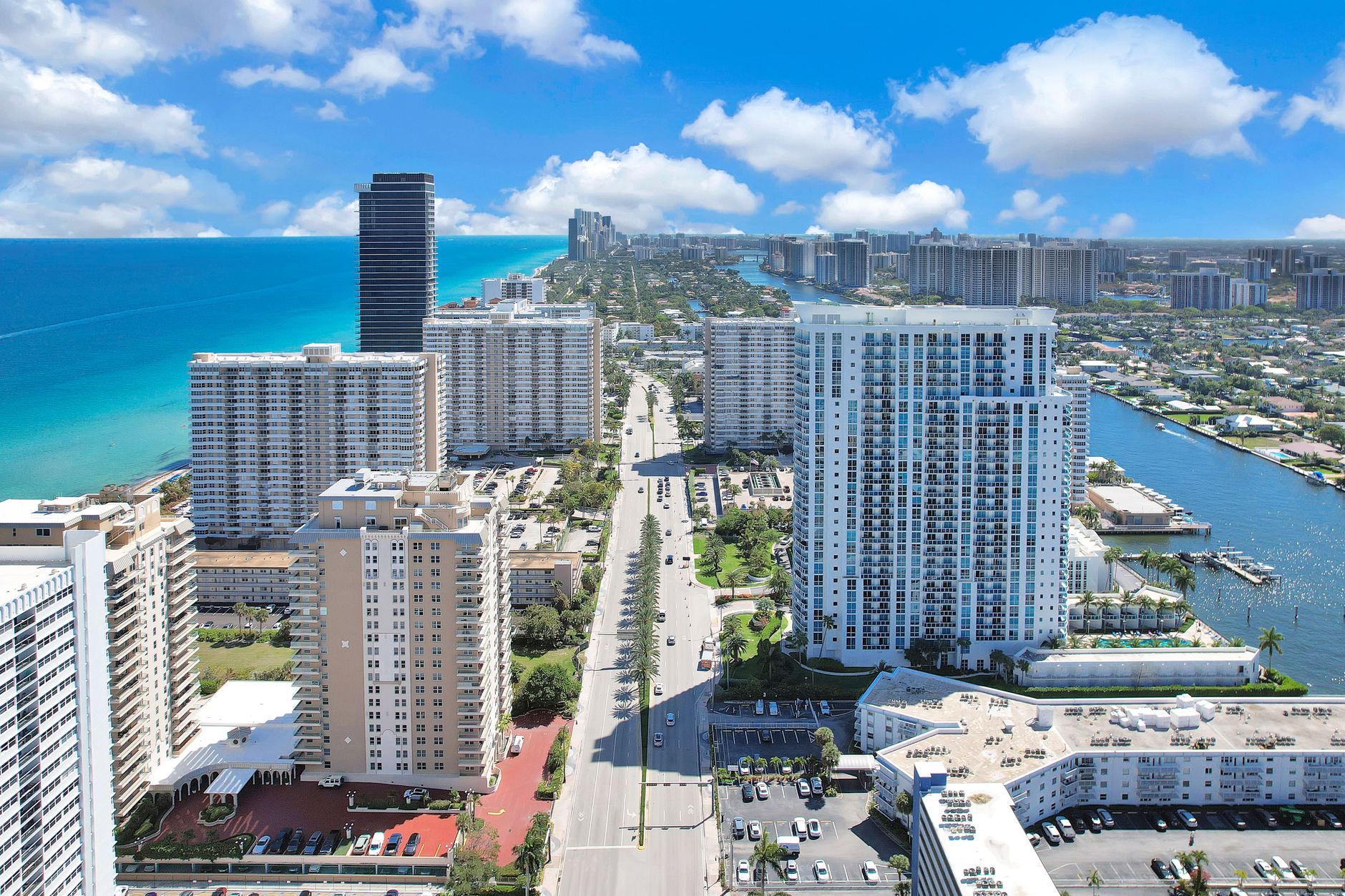
Pattaya is not one market. It is a collection of distinct submarkets with different price levels, supply risks, buyer profiles, and rental demand patterns. A condo in North Pattaya beachfront and a condo in Jomtien can sit 10 kilometres apart yet behave like entirely different asset classes. This guide gives you a practical framework for evaluating each submarket before you commit capital.
The core finding for 2026: North Pattaya and Pratumnak are tighter, more liquid submarkets with stronger price support. Jomtien carries meaningful oversupply risk in the mid-range segment. Buyer nationality is shifting - Russian and Myanmar buyers are absorbing demand that Chinese buyers once generated. These three variables - supply, liquidity, and buyer mix - should drive your submarket selection.
Quick answer
- North Pattaya beachfront new builds command 180,000 - 220,000 THB per sq m as of 2026 (market estimates), with scarce supply and stronger resale liquidity
- Jomtien offers lower entry prices but faces oversupply pressure in mid-range segments, leading to longer time on market for resale units
- Pratumnak Hill sits in a premium tier comparable to North Pattaya, with lower density and a more established owner-occupier base
- Pattaya City centre (walking street corridor) targets short-stay rental income but carries the highest vacancy risk and management complexity
- Gross rental yields across Pattaya range from roughly 5 - 8% (market estimates, 2026), higher than Bangkok's typical 4 - 6% range
- About one third of Thailand's condo transfers in 2025 occurred in Chon Buri province (which covers Pattaya), per Thaiger, August 2026 - confirming the city's weight in national transaction volumes
Options and scenarios
Is North Pattaya good for investment in 2026?
North Pattaya runs roughly from the Dolphin Roundabout northward toward Naklua and Wong Amat Beach. This corridor has the tightest supply of any coastal submarket in Pattaya. Beachfront land is largely built out, which limits new project launches. Prices for new condominium units on or near the beachfront sit in the 180,000 - 220,000 THB per sq m range as of 2026 (market estimates, per Thaiger, August 2026).
Who buys here? The buyer profile skews toward capital preservation: European retirees, Middle Eastern buyers seeking a second home, and a growing segment of Russian buyers who moved into Thailand after 2022 and have established longer tenancy patterns. These buyers tend to hold for five years or more, which reduces speculative churn and supports resale pricing.
Rental demand in this corridor splits between longer-stay visitors (one to three months) and retirees on annual leases. Short-stay Airbnb-style income is possible but more restricted in higher-end projects that enforce minimum-stay rules through their juristic person (the building management committee established under the Condominium Act).
Trade-offs: entry prices are the highest in Pattaya, so yield on cost is lower than Jomtien. If your primary goal is maximising gross yield rather than capital preservation, North Pattaya will disappoint on the return calculation.
Should you buy in Pratumnak Hill?
Pratumnak Hill is a low-rise residential area on a forested promontory between South Pattaya and Jomtien. It has a small beach (Cosy Beach and a few quieter coves), no walking-street atmosphere, and a mix of houses, low-rise condominiums, and some mid-rise projects.
Prices in Pratumnak sit broadly in the 120,000 - 180,000 THB per sq m range for mid-tier projects (market estimates, 2026). Premium projects with sea-view units can exceed this. Supply is limited by topography - slopes constrain large-footprint development.
Who buys here? Retirees who want proximity to Pattaya's amenities without central-city noise. Families looking for a quieter environment. European buyers who have researched the market and actively avoid the Walking Street belt. Pratumnak has a stable ownership base and limited short-stay demand, which produces steadier but lower yields than North Pattaya beachfront.
Who should not buy here? Pure yield investors. Short-stay rental demand in Pratumnak is limited. Without a strong holiday-rental occupancy rate, gross yields will sit toward the lower end of the Pattaya range.
What is the risk in Jomtien in 2026?
Jomtien is the segment that requires the most caution. The beach is long and accessible, transport links are reasonable, and prices are materially lower than North Pattaya - typically 60,000 - 110,000 THB per sq m for the broad mid-range supply (market estimates, 2026). But Jomtien has absorbed a large volume of new supply over the past decade, and the mid-range segment in particular shows visible oversupply pressure as of 2026, per Thaiger, August 2026.
What does oversupply mean practically? Longer time on market when you resell. More downward pressure on resale prices in the 50 sq m - 80 sq m studio and one-bedroom range that was heavily built for the Chinese buyer wave. That buyer wave has retreated. Russian and Myanmar buyers are partially replacing it, but they have different price-point preferences and different unit-size preferences, which means some of the existing mid-range stock in Jomtien does not match current demand.
Jomtien does have a functioning rental market. Proximity to Bang Saray (a quieter beach town developing its own buyer base further south) and to Pattaya's retail corridor means it is not isolated. Gross yields can be attractive on paper - some units show indicative yields of 6 - 8% if well-managed. The question is whether those yields are sustainable when supply remains elevated.
Who should buy in Jomtien? Buyers with a long hold horizon (seven years or more), tolerance for slower resale liquidity, and a clear property management plan. Avoid buying in Jomtien if you expect to resell within three to four years at a gain.
What about Pattaya City Centre and the Walking Street corridor?
The central Pattaya belt - Beach Road, Second Road, the Soi Buakhao area, and the Walking Street zone - is primarily a short-stay hospitality market dressed as a residential condo market. Projects here sell on projected short-stay rental yields. Those projections are often optimistic.
Prices in this corridor range widely - some older stock trades at 40,000 - 70,000 THB per sq m while newer boutique projects can exceed 100,000 THB per sq m (market estimates, 2026). Entry cost is lower, but management complexity is higher. Short-stay rental income requires active management, platform fees, cleaning costs, and compliance with juristic person rules that vary by building.
Who should buy here? Buyers who plan to manage rentals actively, have experience with short-stay hospitality, and are comfortable with high tenant turnover. Not suitable for hands-off investors or buyers who want quiet personal use.
Na Jomtien and Bang Saray: the emerging corridor south of Jomtien
South of Jomtien, Na Jomtien and Bang Saray are attracting mid-sized developer projects targeting buyers who want a quieter beach environment at lower prices. Prices are broadly 50,000 - 90,000 THB per sq m (market estimates, 2026). Infrastructure is thinner: fewer restaurants, no major hospital in walking distance, limited public transport.
This corridor suits buyers who prioritise space per baht and personal use over rental yield or resale liquidity. It is too early to call this corridor liquid for resale purposes. Treat it as a long-hold segment.
How does Pattaya compare to Bangkok for international buyers in 2026?
Bangkok launched 2,380 downtown condominium units in H1 2026, up 207% year on year, per CBRE Thailand mid-year outlook (August 2026). That surge reflects developer confidence in Bangkok's prime residential segment, particularly from international buyers in the Middle East, Japan, and Russia. Bangkok luxury and super-luxury segments are outperforming the overall market in 2026.
For a foreign buyer choosing between the two cities, the comparison comes down to purpose. Bangkok offers urban lifestyle, strong rental demand from expatriates and business travellers, and access to international healthcare and schools. Pattaya offers beach access, lower price points in most submarkets, and higher gross yields - at the cost of a more seasonal rental market and thinner resale liquidity outside the top submarkets.
Comparison table
| Parameter | North Pattaya / Naklua | Pratumnak Hill | Jomtien (mid-range) | Pattaya City Centre | Na Jomtien / Bang Saray |
|---|---|---|---|---|---|
| Price per sq m (est. 2026) | 180,000 - 220,000 THB | 120,000 - 180,000 THB | 60,000 - 110,000 THB | 40,000 - 100,000 THB | 50,000 - 90,000 THB |
| Supply risk | Low (constrained land) | Low to medium | High (oversupply in mid-range) | Medium | Low to medium (emerging) |
| Resale liquidity | Stronger | Moderate | Weaker in mid-range | Moderate | Limited |
| Primary rental demand | Long-stay, retirees | Long-stay, owner-occupiers | Mix of short and long stay | Short-stay, holidays | Personal use, light rental |
| Indicative gross yield | 5 - 6% | 4 - 6% | 6 - 8% (paper yield, occupancy risk) | 6 - 9% (management-intensive) | 4 - 6% |
| Dominant buyer nationalities | Russian, European, Middle Eastern | European, Russian | Russian, Myanmar, residual Chinese | Mixed short-stay investors | European, Thai |
| Beach quality | Wong Amat: good | Cosy Beach: small, quieter | Jomtien Beach: long, busier | No direct beach | Quieter, less developed |
| Hospital and school access | Bangkok Hospital Pattaya nearby | Good access via short drive | Moderate | Central, good access | Limited |
| Who should buy here | Capital preservation, long-stay rental | Retirees, lifestyle buyers | Long-hold yield investors only | Active managers, hospitality-minded | Personal use, long hold |
| Who should not buy here | Pure yield maximisers | Short-stay rental investors | Buyers needing exit within 4 years | Hands-off investors | Buyers needing near-term liquidity |
Risks and mistakes
Treating Pattaya as a single market
The most common error is comparing a Jomtien studio price to a North Pattaya beachfront yield and concluding that one submarket is 'better.' They serve different buyer purposes and carry different risks. Always evaluate supply pipeline, buyer nationality mix, and resale history within the specific submarket, not city-wide averages.
Believing developer rental guarantee schemes without scrutiny
Many Pattaya projects - particularly in Jomtien and Pattaya City Centre - are sold with rental guarantee programmes promising 6 - 8% annual returns for five to seven years. These guarantees are funded by the developer's margin built into the purchase price. If the developer encounters financial difficulty or the project underperforms, the guarantee may not be honoured. Review the developer's track record on completed projects. Speak to existing unit owners in projects the same developer has already handed over.
Ignoring the sinking fund and maintenance fee trajectory
A sinking fund is a one-time payment at transfer, collected by the juristic person to fund major future repairs (lifts, roof, pool equipment). Ongoing maintenance fees are charged per sq m per month. In oversupplied projects with low occupancy, juristic persons can struggle to collect fees, leading to deferred maintenance. Inspect the building's financial accounts (which unit owners are entitled to request) before purchase.
Underestimating seasonal vacancy in yield projections
Pattaya's peak rental season runs from November to March. The shoulder months (April, May, October) see materially lower occupancy. The hottest months (April, May) and the start of the wet season (June) are genuinely slow for short-stay rentals. Gross yield projections based on peak-season rates applied to 12 months are misleading. Ask for month-by-month occupancy data from the property manager, not annualised averages.
Buying off-plan without checking the developer's construction history
Off-plan purchases in Pattaya carry completion risk. Thailand has no government-backed buyer protection fund for off-plan residential purchases equivalent to systems in some other countries. Payment structures for off-plan condominiums typically involve staged payments during construction. Verify that the developer holds an Environmental Impact Assessment (EIA) approval before construction begins, and check land title (the chanote - a full-ownership title document - is the only title you should accept). A Thai property lawyer should review all documents before you sign.
Misreading the foreign quota rule
Under the Condominium Act, foreign nationals may own up to 49% of the sellable floor area in any registered condominium building. In buildings where the foreign quota is already filled, you cannot purchase as a foreign owner unless an existing foreign unit is resold. Check the current foreign quota status of any building before proceeding. Some buildings in North Pattaya beachfront have quotas that fill quickly on new launches.
Ignoring the FET requirement
A Foreign Exchange Transaction (FET) form - a bank document recording that foreign currency was converted into Thai baht for the specific purpose of buying property - is required for each unit a foreign buyer purchases. Without a valid FET form, you cannot register ownership at the Land Office. Your bank in Thailand must issue this document when you transfer funds from overseas. The amount on the FET must match the purchase price in the sale contract. This is non-negotiable and cannot be corrected after the fact.
FAQ
Is Pattaya overbuilt in 2026?
Pattaya as a whole has pockets of oversupply, concentrated in Jomtien's mid-range segment and parts of the central city belt. North Pattaya and Pratumnak are not overbuilt - supply there is constrained by available land. The answer depends entirely on which submarket you are evaluating. Do not apply a city-wide oversupply label to every district.
Which areas of Pattaya have the best resale liquidity for foreign buyers?
North Pattaya (Wong Amat and Naklua beachfront) has the strongest resale liquidity among Pattaya's submarkets as of 2026. There are fewer units available, buyer demand is more stable, and prices have held better through market cycles. Jomtien mid-range units have weaker liquidity - longer time on market and more price negotiation at resale.
What nationalities are buying in Pattaya now?
The buyer mix has shifted materially since 2022. Chinese buyers, who were a dominant force in Jomtien in particular, have reduced their activity. Russian buyers have become a more consistent presence across North Pattaya and parts of Jomtien. Myanmar buyers are active in the mid-range segment. European buyers remain present in Pratumnak and North Pattaya. Middle Eastern buyers are increasing, particularly in premium units, consistent with the pattern CBRE Thailand identified across Thailand's residential market in H1 2026.
Can a foreigner own a condo freehold in Pattaya?
Yes, under the Condominium Act, a foreign individual can hold freehold ownership (chanote title) of a unit in a registered Thai condominium building, provided the foreign quota (49% of sellable floor area) is not exhausted. Ownership is registered at the Land Office in the buyer's name. You need a valid FET form and a Thai bank account to complete the transfer.
What gross rental yield is realistic in North Pattaya?
For well-managed units targeting long-stay tenants in North Pattaya, realistic gross yields sit in the 5 - 6% range (market estimates, 2026). Short-stay management in any Pattaya submarket can push gross yields higher on paper, but net yields after management fees (typically 20 - 30% of gross revenue), platform costs, and vacancy will be materially lower. Always model net yield, not gross.
How does Pattaya compare to Bangkok for yield and liquidity?
Pattaya typically offers higher gross yields than Bangkok's prime residential districts (Bangkok prime: roughly 4 - 6% gross, market estimates 2026). But Bangkok offers deeper resale liquidity, a larger pool of expatriate long-term tenants, and stronger long-term price support in top districts. Pattaya suits yield-first buyers comfortable with a more seasonal market. Bangkok suits buyers who prioritise capital preservation and resale depth.
What is the foreign quota and how does it affect my purchase?
The foreign quota is the legal limit on foreign ownership in a Thai condominium: up to 49% of the total sellable floor area per building. If a building's foreign quota is full, you cannot buy as a foreign owner unless an existing foreign-owned unit becomes available for resale. In popular North Pattaya beachfront projects, quotas can fill within days of launch. Check quota availability before signing any purchase agreement.
Is Jomtien worth buying in 2026?
Jomtien can work for a specific type of buyer: someone with a seven-year or longer hold horizon, a clear property management plan, and no expectation of a quick resale gain. The mid-range segment faces real oversupply pressure as of 2026. Buyers who need exit flexibility within four years should look at North Pattaya or Pratumnak instead. The lower entry price in Jomtien reflects real supply risk, not simply a bargain.
What infrastructure improvements affect Pattaya property values?
The most discussed infrastructure project affecting Pattaya in the 2026 period is the high-speed rail link connecting Bangkok's Suvarnabhumi and Don Mueang airports to U-Tapao (Pattaya's nearest major airport), as part of the Eastern Economic Corridor (EEC) development programme. If this project progresses on its planned timeline, reduced travel time between Bangkok and Pattaya could support demand in all Pattaya submarkets. However, large infrastructure projects in Thailand have a history of timeline revisions. Treat this as a potential upside factor, not a confirmed near-term driver.
What due diligence documents should I check before buying a Pattaya condo?
At minimum: the chanote title deed (confirm the building is on full-ownership land), the EIA approval certificate, the building's juristic person registration, the foreign quota status certificate issued by the juristic person, the developer's track record on previously completed projects, and the building's maintenance fee and sinking fund accounts. A qualified Thai property lawyer should review the sale and purchase agreement before you sign anything.
Planning a property purchase in Thailand? Send us your requirements - the THAI.ESTATE team will reply with specific options and a safety checklist for your case.