Editorial
Kathu-Patong Tunnel: How It Could Reshape Phuket Property Values
By THAI.ESTATE Editorial Team13 min read
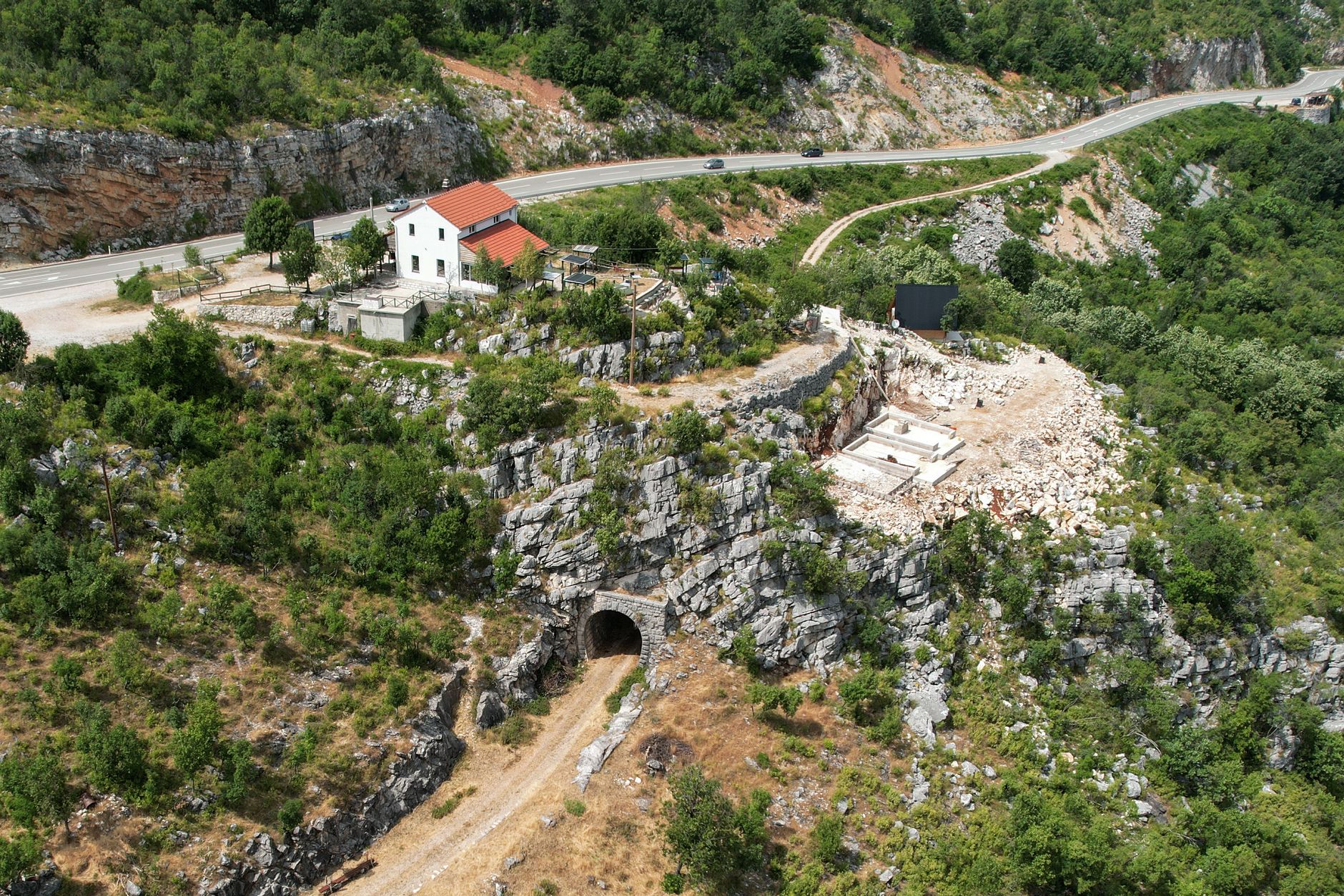
Infrastructure drives property prices more reliably than almost any other single factor. The Kathu-Patong tunnel expressway - a 3.98 km bored tunnel that would cut the Kathu-to-Patong journey from roughly 30 minutes to about 5 minutes - is currently awaiting Thai Cabinet approval, expected in December 2026. If approved, construction could begin in early 2027 and finish by late 2031.
For you as a foreign buyer, the question is simple: does this project justify paying a premium today for land or condominiums along the Kathu corridor, and how reliable is that bet? This guide answers that directly, with the project numbers on record and a clear assessment of the risks.
Quick answer
- The tunnel runs 3.98 km between Kathu and Patong; journey time drops from roughly 30 minutes to 5 minutes (per The Thaiger, September 2026)
- Total project cost: 16.8 billion baht, of which land acquisition accounts for approximately 5.8 billion baht (about 99.4% of required land already secured)
- Financial internal rate of return (IRR): only 1.81% versus a government borrowing cost of 4-5%; economic IRR is much stronger at 19.5%, meaning the public benefit is clear but private financing is difficult
- Cabinet approval is targeted for December 2026; if approved, tendering runs through 2027 and construction is planned to finish by October 2031
- Financing mechanism: an infrastructure fund seeded by toll revenues from Bangkok-area expressways operated by EXAT (the Expressway Authority of Thailand)
- Foreign condo transfers in Thailand rebounded in Q2 2026, with total transfer value rising 20.2% year-on-year to 14.8 billion baht nationally (per The Thaiger, September 2026), suggesting broad appetite from international buyers
Options and scenarios
As a buyer in 2026, you are essentially choosing between three positions relative to this project.
Option 1: Buy in Kathu now, before approval
Kathu is currently one of Phuket's most underrated residential districts. It sits inland, away from the beach, which historically suppressed prices compared to beachfront corridors like Bang Tao or Surin. As of 2026, market estimates put condominiums in Kathu at roughly 55,000 to 80,000 baht per square metre for mid-tier units - substantially below beach-adjacent zones where 120,000 to 200,000 baht per square metre is common.
If the tunnel is approved and completed, Kathu residents gain near-instant access to Patong's commercial activity, nightlife, and beach without the traffic that currently defines that connection. Historically, infrastructure proximity premiums in Southeast Asian cities have ranged from 10% to 30% above equivalent non-connected areas, though Phuket-specific data is limited and you should treat any figure as a market estimate.
The upside case: you buy in Kathu today at a relative discount, the tunnel opens in 2031, and your property re-prices toward a Patong-adjacent premium. The downside case: approval is delayed or cancelled (this project has a long political history), and your Kathu property remains priced as an inland unit.
Option 2: Buy in the hillside corridor between Kathu and Kamala
The western ridge between Kathu and Kamala already attracts villa buyers who want quieter surroundings with eventual road access to the west coast. The tunnel would create a new traffic dynamic: instead of all west-coast traffic using the existing Patong Hill road (Route 4029) or the Kamala-Bang Tao coastal route, a meaningful share would divert through Kathu.
That diversion has two effects. First, it could ease congestion on the Kamala and Surin coastal roads, making those areas more liveable. Second, it could raise the value of hillside plots near the tunnel entrance or exit points, as developers see new potential for mixed-use or hospitality projects.
Villa plots in this corridor currently range from roughly 8 million to 25 million baht per rai (1,600 sq m) depending on slope, view, and road access, per market estimates in 2026. Post-tunnel, accessible plots closer to the Kathu portal could move above that range.
Option 3: Buy in Patong itself or in the Rat-U-Thit corridor
Patong is Thailand's most commercially intense beach resort. Property prices there - particularly for condominiums on or near the beach road - sit in the 100,000 to 180,000 baht per square metre range as of 2026, per market estimates. Rental yields for short-term tourist accommodation can reach 6-8% gross in strong years, but the cost of entry is high and the market is already pricing in Patong's connectivity to the airport via the main highway.
The tunnel does not obviously benefit Patong property owners in terms of capital appreciation - it benefits people travelling to Patong, not those already there. It may reduce the appeal of owning near the bottleneck at Patong Hill if traffic eases, but the effect on existing Patong property values is likely modest compared with the effect on Kathu.
What the financial IRR tells you
The project's financial IRR of 1.81% is substantially below the government's borrowing rate of 4-5%. This means the tunnel is not commercially self-funding from toll revenues alone. The tolls are set at 10 baht for motorcycles, 20 baht for cars, 40 baht for small trucks, and 60 baht for large vehicles. These rates are low by any standard.
The economic IRR of 19.5% captures time savings, reduced accident costs, and productivity gains across the island. That figure is what makes this a credible public-sector project despite weak commercial returns. As a buyer, the low financial IRR means the project depends on political will and the infrastructure fund mechanism rather than being commercially self-sustaining. That is a risk factor, not a dealbreaker, but it deserves honest acknowledgement.
Phase 2 and the larger expressway program
The Kathu-Patong tunnel is only Phase 1 of a larger two-phase Phuket expressway programme with a combined estimated cost of 67.5 to 84.2 billion baht. Phase 2 covers a Mueang Mai to Koh Kaew/Kathu connection and carries higher financial risk due to rising costs. EXAT has stated it is working to reduce that budget while maintaining safety standards. Phase 2 is less certain than Phase 1, but if it proceeds, it would extend connectivity across Phuket's central spine and potentially benefit areas near Koh Kaew and the airport corridor.
Comparison table
| Parameter | Kathu (tunnel-adjacent) | Hillside Kamala-Kathu corridor | Patong (existing market) |
|---|---|---|---|
| Indicative price/sq m (condos, 2026 est.) | 55,000-80,000 baht | N/A (mostly villas/land) | 100,000-180,000 baht |
| Indicative land price (per rai, 2026 est.) | 4-10 million baht | 8-25 million baht | 20-50+ million baht |
| Tunnel proximity benefit | High - near eastern portal | Medium - access improved | Low - already end-destination |
| Current rental demand profile | Local residents, long-stay; limited tourist demand | Low - mainly owner-occupied | High - short-term tourists, year-round bookings |
| Beach access today | None direct; 30 min to Patong by road | 10-15 min to Kamala beach | Direct to Patong beach |
| Beach access post-tunnel (est. 2031) | 5 min to Patong beach | Improved via Kathu route | Unchanged |
| Capital appreciation scenario (tunnel completes) | Potentially 15-30% re-rating above base, market estimate | Moderate uplift for accessible plots | Minimal tunnel-specific uplift |
| Key risk | Project delay or cancellation | Steep terrain limits buildable land | Oversupply in tourist-facing units |
| Suitable buyer profile | Long-term holder, 5+ year horizon | Developer or villa self-use buyer | Short-term rental investor, accept higher entry cost |
Risks and mistakes
The project has not been approved yet
As of late 2026, Cabinet has not voted on the tunnel. Approval is targeted for December 2026, but Thai infrastructure mega-projects have experienced repeated delays. The Kathu-Patong tunnel has been discussed for over a decade. Buying land today based on a project that may not start until 2027 - and may not open until 2031 - means carrying that uncertainty for up to five years or more. If you cannot hold that long, or if you need rental income to service any loan, this is a high-risk strategy.
Low financial IRR creates political dependency
Because toll revenues alone do not make this project financially self-sustaining, the infrastructure fund mechanism is essential. That fund depends on cash flows from Bangkok-area expressways. If those revenues underperform or political priorities shift, funding could be delayed. A foreign buyer has no recourse to accelerate a Thai public infrastructure project.
Foreign ownership limits still apply
Nothing about the tunnel changes Thai property law. Foreigners can own condominium units up to the 49% foreign ownership quota (set by the Condominium Act) in a given building. Foreigners cannot own land freehold. If you are buying a villa or land plot in the Kathu corridor, you will need a long-term leasehold structure (typically 30 years with renewal options) or a Thai company structure - both of which carry their own legal risks and require proper independent legal advice. A chanote (the full title deed, formally known as Nor Sor 4 Jor) is the only land title you should consider; lower-grade title documents reduce resale value and can complicate any future development.
Oversupply risk in Kathu condominiums
If Cabinet approves the tunnel in December 2026, developers will move quickly. Kathu has relatively low existing condo density, but a major infrastructure announcement often triggers a wave of new project launches. By 2028 or 2029, you could face an oversupply situation that compresses both resale prices and rental yields - exactly as happened in parts of Bang Tao and Rawai after high-profile development announcements. Buying early does not automatically protect you from oversupply if the market overreacts to the news.
Construction noise and disruption near portals
Tunnel construction involves significant ground work, noise, and heavy vehicle traffic. Properties within 500 metres of the planned portals at either the Kathu or Patong end will likely experience construction disruption from 2027 to 2031 - a full four years. If you are buying for short-term rental, that disruption window will affect your occupancy rates and guest experience during that period.
Seasonal character of Kathu rental demand
Even with the tunnel open, Kathu is not a beach area. Short-term holiday rentals in non-beachfront Phuket locations rely heavily on price competitiveness against coastal options. In the low season (roughly May to October), occupancy in inland Kathu can drop sharply. Before assuming rental income, model a conservative occupancy of 40-55% annually for inland units, not the 65-75% that strong beachfront locations can achieve.
FAQ
When will the Kathu-Patong tunnel open?
Based on the current timeline, Cabinet approval is targeted for December 2026, tendering would run through 2027, construction would start in 2027 and finish by October 2031. That schedule assumes no delays in approval or procurement. Historical precedent in Thai infrastructure suggests some schedule slippage is more likely than not, so a realistic opening range is 2031 to 2033.
How much will the tunnel cost and who pays for it?
The approved project estimate is 16.8 billion baht. Land acquisition accounts for roughly 5.8 billion baht, with construction and supervision making up the remaining 11 billion baht. Funding is planned through an infrastructure fund seeded by toll revenues from EXAT-operated expressways in Bangkok, supplemented by toll collections from the tunnel itself once open. Tolls are set low: 20 baht for a car, 60 baht for a large vehicle.
Is Kathu currently a good area to buy property in Phuket?
Kathu is a practical, well-serviced residential area with supermarkets, the Kathu Golf Course, international schools accessible by car, and reasonable prices. As of 2026, it is priced as an inland district because it is one. Without the tunnel, you accept a 30-minute drive to Patong and limited beach access. The tunnel, if completed, changes that proposition materially. It is a reasonable area for long-term self-use or long-stay rental targeting remote workers and retirees. It is not currently suitable for high-yield tourist rental.
Can foreigners buy land near the tunnel in Kathu?
No. Thai law (under the Land Code) does not permit foreigners to own land freehold. You can buy a condominium unit in your own name if the building's foreign ownership quota (49% of total floor area under the Condominium Act) is not already filled. For a house or villa plot, you would need a registered 30-year leasehold or a Thai company structure. Both options require a qualified Thai lawyer and carry risks that are separate from the tunnel investment thesis.
What is the economic IRR of the tunnel and why does it matter to buyers?
The economic IRR of 19.5% measures the social return: time savings for commuters, reduced traffic accidents, productivity gains for businesses on both sides of the hill. That figure justifies the project as public policy even though the financial IRR (based on toll revenues only) is just 1.81%. For you as a buyer, the high economic IRR means the Thai government has a strong policy reason to complete the project; the low financial IRR means it needs non-commercial funding to do so, which creates execution risk.
How have foreign buyers responded to Phuket and Thailand property in 2026?
Foreign condo transfer values rose 20.2% year-on-year in Q2 2026 nationally, reaching 14.8 billion baht for the quarter (per The Thaiger, September 2026). Chinese nationals remained the largest buyer group by both units and value, though their share declined year-on-year. American buyers showed the highest average purchase price at 6.6 million baht per unit. The data confirms active foreign demand but does not specifically track Kathu or tunnel-adjacent purchases.
Who should buy in Kathu now and who should wait?
Buy now if you have a minimum five-year holding horizon, can carry the property without relying on short-term rental income, and want to position ahead of a potential re-rating once the tunnel is confirmed. Wait if you need immediate rental yield, are uncertain about your Thailand residency plans, or cannot absorb a multi-year delay in the project timeline. If the tunnel is cancelled or substantially delayed, Kathu returns to its current pricing story, and you will have paid a speculative premium without the underlying catalyst.
Does the tunnel affect property in Patong or only in Kathu?
The primary beneficiary of improved access is Kathu and the hillside corridor, not Patong itself. Patong is already the destination; its prices already reflect that status. The tunnel may ease traffic on Patong Hill and the Kamala coastal road, which could modestly improve the liveability of properties in those areas, but it does not create a new source of demand or a new access advantage for Patong owners.
What is a chanote title deed and why does it matter here?
A chanote (formally Nor Sor 4 Jor) is the highest-grade Thai land title. It means the plot boundaries are precisely surveyed by the Land Department and the ownership history is clean. In areas like the Kathu hillside corridor where development has been patchy, some plots carry lower-grade titles (Nor Sor 3 or possession certificates) that cannot be mortgaged, complicate resale, and may not be buildable without an upgrade process. Always verify the title type before any purchase, and have a qualified Thai lawyer check the chanote at the Land Department directly.
What happens if Cabinet rejects the tunnel in December 2026?
A rejection or further deferral would return Kathu to its pre-announcement pricing dynamic. Properties that have already moved up in anticipation could see a correction of 5-15%, per market estimates. The project has strong technical and economic justification, so outright cancellation is less likely than delay, but rejection remains a real scenario given Thailand's complex infrastructure approval process. Do not price any property purchase as if tunnel approval is certain.
Planning a property purchase in Thailand? Send us your requirements - the THAI.ESTATE team will reply with specific options and a safety checklist for your case.