Editorial
Kathu-Patong Expressway: How the 2031 Deadline Shapes Phuket Property Decisions
By THAI.ESTATE Editorial Team13 min read
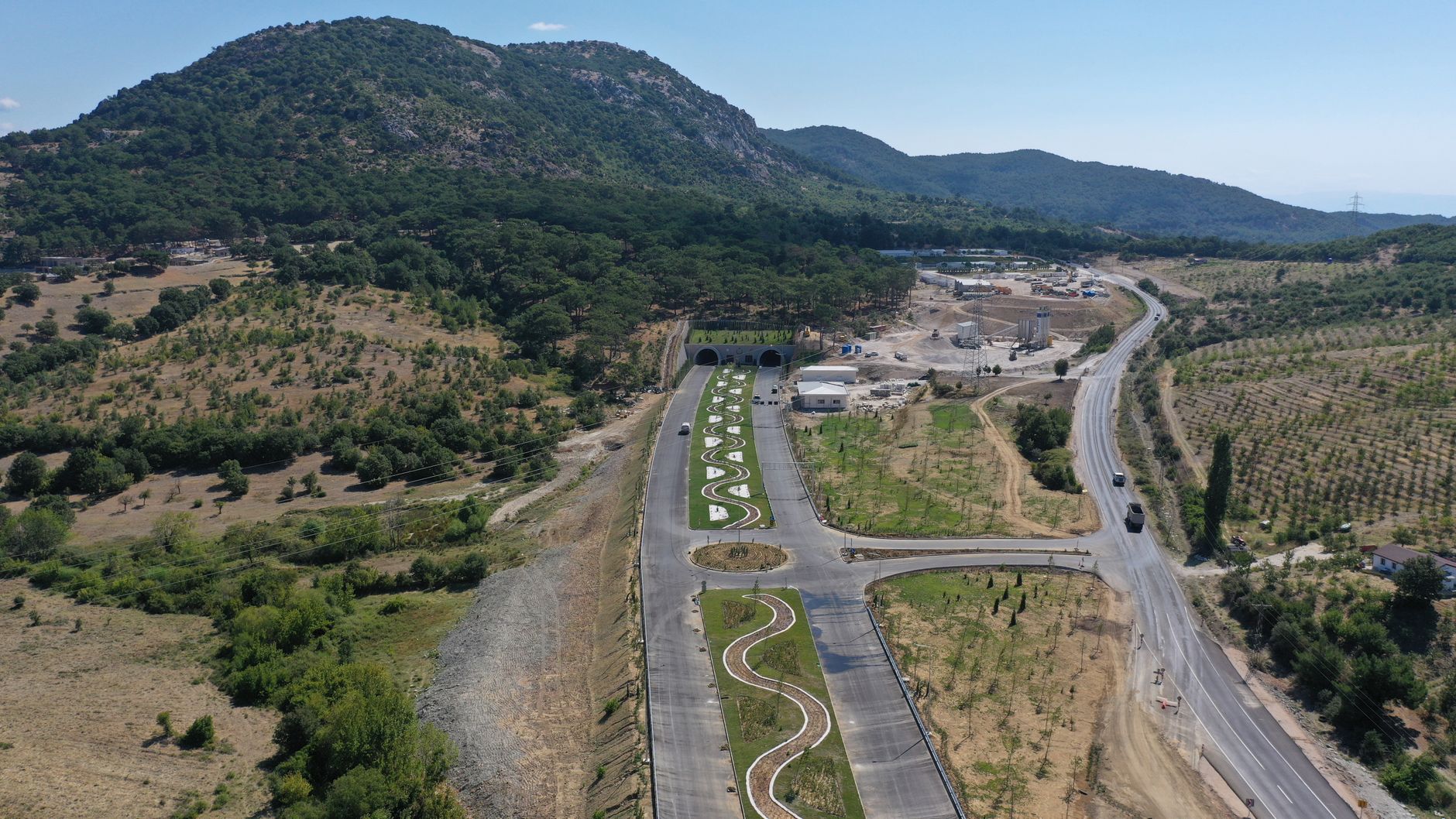
The Kathu-Patong expressway will cut travel time between Kathu and Patong from roughly 30 minutes to 5 minutes. Phase 1 targets an October 2031 opening, per reporting from The Star in September 2026. If you are buying property in Phuket now, that 2031 horizon is a pricing and timing signal you need to understand before you sign anything.
This guide explains what the tunnel project means for specific Phuket locations, how infrastructure lead times affect property values in Thai resort markets, and who benefits - and who does not - from buying inland versus coastal in 2026.
Quick answer
- Phase 1 target opening: October 2031, with approximately four years of construction after cabinet approval
- Travel time reduction: 30 minutes to 5 minutes between Kathu and Patong (per The Star, September 2026)
- Projected traffic: 50,000 to 60,000 vehicles per day on average after opening
- Kathu-area property currently trades at a discount to Patong and Bang Tao; the expressway could narrow that gap over the 2026-2031 build period
- Coastal Patong property will see faster and easier access from Central Phuket, which may increase hotel-zone demand but also congestion risk near interchange points
- Cabinet approval and EXAT (Expressway Authority of Thailand) sign-off are still in progress as of Q3 2026 - the 2031 date is a target, not a guarantee
Options and scenarios
Who is buying around the Kathu-Patong corridor right now?
Three buyer profiles are active in this part of Phuket in 2026: investors buying inland Kathu-district condominiums for yield uplift ahead of the expressway, end-users buying beachside Patong apartments who expect easier access to Central Phuket services, and long-stay residents in the Kamala-to-Patong belt who currently lose 20 to 30 minutes of daily commute time on Prabaramee Road.
Each profile faces a different risk-reward structure.
Option 1: Buy in Kathu district now, sell or rent before 2031
Kathu sits inland between Patong and Central Phuket (Phuket Town direction). It is not a beach area. It attracts golf-course residents, digital workers, and budget-conscious expatriates who accept the commute to Patong beach in exchange for lower prices.
As of 2026, market estimates place Kathu condominium prices in the range of 55,000 to 85,000 THB per square metre for mid-tier stock. That is well below Bang Tao or Surin levels. The infrastructure argument is that the expressway announcement - once construction begins visibly - will pull demand and therefore prices upward.
The historical pattern in Thai resort markets supports this cautiously. In Phuket, the airport-link road improvements in the 2010s correlated with rising prices in Thalang district over the following five years. However, correlation is not causation, and supply levels matter. If developers flood Kathu with new supply between 2026 and 2031, price appreciation may lag.
Fit: Value investors comfortable holding for four to six years, with tolerance for a non-beach location and for construction-phase uncertainty.
No-fit: Buyers who need rental income immediately. Kathu holiday-let demand is thin relative to beachside Phuket.
Option 2: Buy in Patong, bank on access improvements
Patong is Phuket's highest-traffic beach resort. It draws short-stay holidaymakers, primarily. Condominium prices as of 2026 market estimates sit broadly between 80,000 and 130,000 THB per square metre depending on sea-view premium and building age.
The expressway's benefit to Patong is inbound: more visitors from Central Phuket, from the airport corridor, and potentially higher daily traffic in the resort zone. For hotel-room investors or short-stay rental operators, easier accessibility is a genuine positive.
The risk: Patong's interchange point at the western tunnel mouth will sit at the edge of an already congested coastal zone. Traffic redistribution studies have not been made public in full. More vehicles arriving faster could worsen local-street congestion even as the mountain road eases.
Fit: Short-stay rental investors who understand Patong's mass-market holiday profile and can absorb seasonal dead months (typically May to October for lower-tier stock).
No-fit: Buyers seeking quiet long-stay living. Patong is dense, noisy, and not built for residential comfort.
Option 3: Buy in Kamala or Surin - the corridor beneficiaries
Kamala and Surin sit on the coast between Patong to the south and Bang Tao to the north. They currently benefit from quieter beaches and mid-to-upper-tier buyer profiles. The expressway does not directly terminate at Kamala, but reduced mountain-road congestion on Prabaramee Road (which connects Kamala to Kathu) will benefit residents here.
As of 2026 market estimates, Kamala and Surin condominiums and pool villas range from 90,000 to 180,000+ THB per square metre depending on product type and sea proximity. Villas with direct beach access trade considerably higher.
These areas attract a mix of remote workers, retirees, and affluent short-stay renters. Rental demand is more stable year-round than in Patong, because the buyer profile is less dependent on backpacker or party tourism.
Fit: Buyers wanting a liveable beachside location that improves accessibility when the tunnel opens. Also suits upper-mid rental operators targeting higher-end holidaymakers.
No-fit: Pure budget buyers. Entry prices are high. Resale liquidity depends on continued upper-tier demand, which can shrink during global economic downturns.
Option 4: Buy in Bang Tao or Layan - existing strong demand, expressway is a secondary factor
Bang Tao (also written Ban Tao) in the Cherng Talay sub-district is Phuket's most active luxury and premium condominium market in 2026. Layan sits just north of Bang Tao and is generally quieter. These areas are roughly 25 to 35 kilometres from Patong by road.
The expressway does not directly serve Bang Tao. Its benefit here is indirect: faster Kathu-to-Patong transit may redistribute some traffic away from the northern coastal road, but the effect is likely small.
Bang Tao prices as of 2026 market estimates: 120,000 to 220,000 THB per square metre for branded or resort-integrated condominiums. Villa prices vary widely.
Bang Tao's demand fundamentals are strong independent of the expressway. Airport access (Phuket International Airport is approximately 20 minutes), the beach club strip, international schools, and Laguna Phuket's integrated resort infrastructure support rental demand across holidaymaker, remote-worker, and long-stay family profiles.
Fit: Buyers who want the most liquid Phuket market with the broadest rental demand base. Also fits families: international schools are nearby in Thalang.
No-fit: Buyers expecting the expressway to be a major price catalyst here. It is not the direct driver. Overpaying for 'expressway upside' in Bang Tao would be a mistake.
What does 'cabinet approval still pending' actually mean for buyers?
As of September 2026, the project required further approvals from Thailand's Transport Ministry and EXAT. Cabinet sign-off had not been publicly confirmed. The tunnel diameter was also revised downward from 17 metres to 14 metres during planning, which signals that the project is still in active design negotiation.
This matters because Thai infrastructure projects at this stage can shift by one to three years from initial target dates. The 2031 Phase 1 date is the government's stated aim, not a contracted delivery date. Buyers who are pricing in a 2031 opening should stress-test their holding assumptions against a 2032 or 2033 scenario.
Comparison table
| Area | Est. condo price per sqm (2026) | Expressway impact | Rental demand profile | Rainy season risk | Best buyer fit |
|---|---|---|---|---|---|
| Kathu (inland) | 55,000-85,000 THB | High - direct uplift potential | Thin; long-stay, golf, expat | Low dead-season impact (no beach) | Value investor, 4-6 yr hold |
| Patong (coastal) | 80,000-130,000 THB | High - inbound access improves | Strong short-stay; seasonal peaks | High; May-Oct slowdown | Short-stay rental operator |
| Kamala / Surin | 90,000-180,000+ THB | Medium - road relief benefit | Mid-to-upper holiday + long-stay | Moderate; quality stays year-round | Remote workers, retirees, upper-mid rental |
| Bang Tao / Layan | 120,000-220,000 THB | Low - indirect only | Broad: holiday, family, remote worker | Low; consistent demand base | Families, liquid-market investors |
| Karon / Rawai / Nai Harn | 70,000-120,000 THB | Low - opposite side of island | Mix: holiday, retiree, budget expat | Moderate; southern tip quieter | Retirees, budget-conscious long-stay |
All price ranges are market estimates as of 2026. Verify with a licensed Thai property valuer before committing funds.
Risks and mistakes
Do not treat the 2031 target as a fixed date
The most common mistake infrastructure-adjacent buyers make is underwriting their exit or rental strategy against a specific opening date. Thai public infrastructure projects have historically moved by one to three years from initial targets. Build your financial model on a 2031 base case and a 2033 stress case. If your investment thesis requires the tunnel to open in 2031, it is too fragile.
Oversupply risk in Kathu
If the expressway announcement draws significant developer attention to Kathu, new supply could outpace demand before 2031. Monitor planning approvals and developer launches in Kathu from 2026 onward. A large new-supply wave would suppress the price appreciation the infrastructure narrative promises.
Patong interchange congestion is unresolved
The western tunnel exit will discharge 50,000 to 60,000 vehicles per day into Patong's existing road network. Patong's coastal streets are already saturated at peak hours. If the interchange design does not include adequate road widening and traffic management, buyers near the interchange mouth could face worse local congestion, not less.
Leasehold versus freehold - foreign ownership limits apply everywhere
Foreign buyers in Thailand cannot own land. You can own a condominium unit outright (freehold) if the building's foreign-ownership quota is below 49% of total units, under the Condominium Act. For villas and houses, the standard route is a long-term leasehold (typically 30 years, sometimes renewable). A chanote is the highest-grade Thai land title (full title deed); always confirm the title type before purchase. Do not buy land or a villa on lesser title grades such as Nor Sor 3 Gor without a full legal review.
FET documentation for foreign funds
If you transfer foreign currency into Thailand to buy a condominium, you need a Foreign Exchange Transaction (FET) certificate - a bank document confirming that the funds entered Thailand as foreign currency. Without an FET certificate, you cannot legally repatriate your sale proceeds later. This is a procedural step, but buyers using Thai baht accounts or third-party transfers sometimes miss it.
Do not pay full purchase price directly to a developer without legal review
Thailand has no traditional escrow protection for foreign property buyers. Stage payments in off-plan contracts carry developer insolvency risk. Have a licensed Thai property lawyer review the sale and purchase agreement, check the developer's financial track record, and confirm that the building permit (construction licence) exists before you transfer any funds.
Sinking fund and juristic person fees
Every condominium building has a juristic person (the legally registered management body for the building). On purchase you pay a one-time sinking fund (a reserve fund for major repairs, typically 500 to 700 THB per square metre at current market rates) and ongoing common-area fees. Factor these into your total cost of ownership.
Seasonal dead months in Patong and Kathu
Patong's short-stay rental market softens significantly from May through October. During the southwest monsoon season, beach-facing properties see occupancy drops. Kathu, being inland, is less weather-dependent for residents, but still loses holiday demand during the same window. Model your rental income on eight to nine peak months, not twelve.
FAQ
When will the Kathu-Patong expressway open?
The Thai government's stated target for Phase 1 is October 2031, per reporting in September 2026. Cabinet and EXAT approvals were still in progress at that time. Construction is planned for approximately four years after approvals are granted. Treat 2031 as a target, not a guaranteed date.
How much will the expressway reduce travel time between Kathu and Patong?
The project is designed to cut travel time from approximately 30 minutes to 5 minutes. The tunnel will handle an estimated 50,000 to 60,000 vehicles per day at capacity.
Will property prices in Kathu rise before the tunnel opens?
Historically in Thai resort markets, property prices near major infrastructure projects begin rising during the construction phase, not only at opening. However, the scale of any uplift depends on supply levels. If developers launch many new Kathu projects before 2031, price appreciation may be modest. This is a market-estimate assessment, not a guarantee.
Is Kathu a good area for foreigners to live in Phuket?
Kathu is convenient for Central Phuket, has golf courses, and offers lower prices than coastal areas. It is not a beach location. Amenities include local markets and some international restaurants, but it lacks the full infrastructure of Bang Tao (international schools, beach clubs, hospital proximity). It suits expatriates and remote workers more than families needing schools or retirees wanting beach access.
Can a foreign buyer own a condominium in Kathu or Patong outright?
Yes, under the Thai Condominium Act, foreign nationals can own a condominium unit in freehold if the building's total foreign ownership does not exceed 49% of the unit area. This applies in Kathu and Patong as it does across Phuket. Check the current foreign quota of any specific building before purchase.
What is the difference between buying in Patong versus Bang Tao for rental income?
Patong targets short-stay holidaymakers and generates higher peak occupancy rates in high season (November to April), but drops sharply in the rainy season. Bang Tao draws a broader mix including long-stay families, remote workers, and upper-tier holiday renters, producing more consistent year-round occupancy. Bang Tao entry prices are higher, but the rental demand base is less seasonal.
Does the expressway affect property in Kamala?
Kamala benefits indirectly. The road connecting Kamala to Kathu (through which residents currently access Central Phuket) is expected to carry less traffic once the tunnel diverts mountain-road vehicles. Reduced congestion on this route is a quality-of-life improvement for Kamala residents, though the direct connection point of the expressway is Kathu, not Kamala.
What legal checks should I do before buying near the expressway corridor?
Confirm the land title is a chanote (full title deed). Have a Thai property lawyer check for any government reservation or expropriation notices on the land parcel, since infrastructure projects can trigger compulsory purchase orders on adjacent land. Verify the building permit for any off-plan purchase. Obtain an FET certificate for any foreign currency transfer used in the purchase.
Is Phuket's overall property market healthy in 2026?
The Real Estate Information Center (REIC) reported in Q2 2026 that condominium sales across monitored Thai markets rose 19.5% compared to the prior period, while total available supply fell 10.2% as developers paused new launches. These are national and Bangkok-weighted figures, but they reflect a broader tightening of supply relative to demand. Phuket-specific supply dynamics follow tourism and foreign-buyer sentiment, which remained active in 2026 per market observations.
Who should NOT buy property based on the expressway timeline?
Buyers who need a short holding period of one to two years should not base their purchase on the expressway catalyst. The tunnel is at minimum five years from opening, and possibly longer. Buyers needing guaranteed rental income from day one should also reconsider Kathu, where holiday-let demand is currently thin.
Planning a property purchase in Thailand? Send us your requirements - the THAI.ESTATE team will reply with specific options and a safety checklist for your case.