Editorial
Is Rawai Good for Retirement? An Honest 2026 Guide
By THAI.ESTATE Editorial Team13 min read
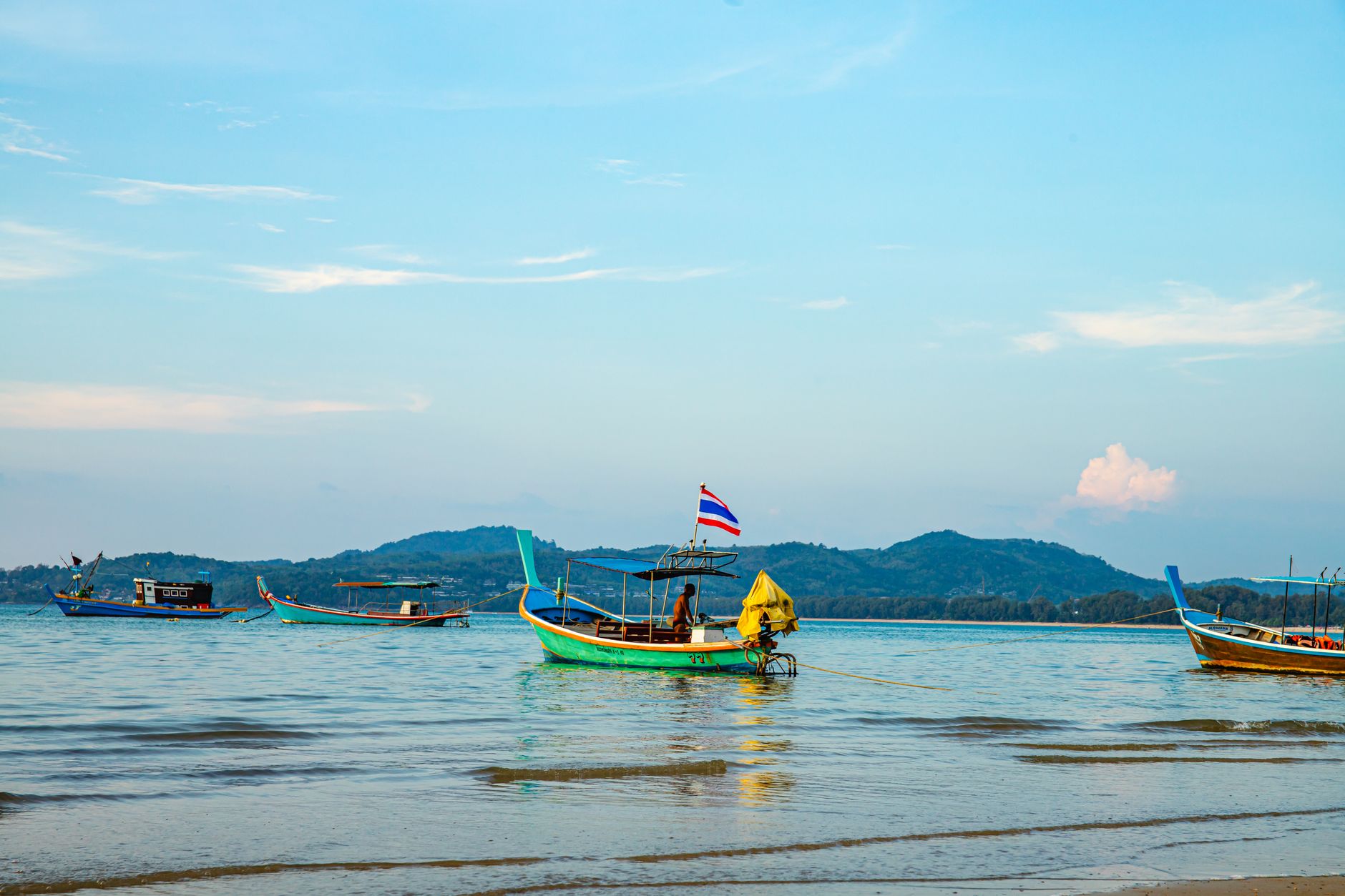
Rawai is one of the most practical retirement destinations in Phuket for buyers who want a quiet, affordable base with good infrastructure - but it is not a fit for everyone. The area sits at Phuket's southern tip, roughly 45 minutes from the international airport by car. It has a large long-term expat community, walkable seafood markets, and lower property prices than the island's northwest coast. If you want beach clubs and nightlife, Rawai will disappoint. If you want a calm, functional daily life in Thailand, it deserves serious attention.
This guide compares Rawai against other Phuket retirement options and gives you a direct verdict on who should buy here and who should look elsewhere.
Quick answer
- Price range (as of 2026, market estimates): Condominiums in Rawai trade at roughly 55,000 to 85,000 THB per square metre. Pool-villa land plots with houses range widely from 4 million to 15 million THB, depending on size and land title
- Rental demand profile: Primarily long-stay retirees, remote workers and couples on 3-to-12-month leases. Short-term holiday rental demand is lower than Patong or Bang Tao
- Beach access: Rawai Beach itself is a working fishing beach, not a swimming beach. Nai Harn Beach - a top-tier swimming bay - is about 5 minutes by motorbike or car from most Rawai addresses
- Airport: Approximately 45 to 55 minutes by car to Phuket International Airport with no traffic. Allow 75 minutes during peak holiday periods
- Healthcare: Dibuk Hospital and several international clinics are in or near the Rawai-Chalong corridor. Bangkok Hospital Phuket and Mission Hospital are 20 to 30 minutes north in Phuket City
- Rainy season character: May through October brings heavy rains. Rawai roads can flood briefly, but the area drains faster than low-lying parts of Patong. The upside: Nai Harn remains swimmable on more days than west-coast beaches during monsoon
Options and scenarios
Who typically retires in Rawai?
Rawai attracts a specific type of buyer. You are likely a good fit if you match one or more of these profiles:
The cost-conscious retiree: You want Thailand's quality of life without the price premium of Surin or Layan. A two-bedroom condo in Rawai costs significantly less than a comparable unit near Bang Tao. You plan to live here for six or more months per year and want low outgoings.
The community-oriented buyer: Rawai has one of Phuket's most established expat communities. There are running clubs, diving groups, yoga studios and weekly social events. If you want to meet people in a similar life stage without effort, Rawai delivers that more organically than resort-heavy areas.
The diver or watersport enthusiast: Chalong Pier, the main departure point for dive trips to the Similan Islands and Phi Phi, is 10 minutes from central Rawai. This is a concrete daily-life advantage if underwater activity is part of your retirement plan.
The villa buyer on a budget: Rawai and adjacent Nai Harn have a higher concentration of affordable pool villas than the northwest coast. You can find a three-bedroom pool villa on a Nor Sor 3 Gor (a confirmed land title, one step below the full chanote - the highest-grade freehold title) for under 10 million THB in some pockets. A chanote is the gold-standard Thai land title offering the strongest legal security; always confirm which title your plot carries before signing anything.
Scenarios where Rawai is NOT a good fit
You want a beach you can swim from your doorstep. Rawai Beach is used by longtail boats and fishing vessels. The water is not clean enough for regular swimming. Nai Harn is close, but it requires transport every time.
You rely on frequent flights. If you travel internationally more than once a month, the 45-to-55-minute airport transfer adds up. Kamala, Surin or Bang Tao cut that journey to 20 to 30 minutes.
You want strong rental income when you are not in residence. Short-term rental yields in Rawai run at roughly 4 to 6 percent gross per year on market estimates, compared with 6 to 8 percent in high-demand tourist zones like Kamala or Surin. Rawai works better as a personal-use retirement home than as a yield investment.
You need a large English-language international school nearby. Phuket's main international schools (BCIS, HeadStart, UWC Thailand) are concentrated in the Koh Kaew and Thalang areas in the north-central part of the island. The commute from Rawai to these schools is 40 to 60 minutes each way in traffic. Rawai suits retired couples or single buyers, not families with school-age children.
How does buying work for a foreign retiree in Rawai?
Foreign nationals cannot own land in Thailand under the Land Code. The two legal ownership routes for retirees in Rawai are:
Condominium freehold. Under the Condominium Act, foreigners can own up to 49 percent of the total floor area of a registered condominium building in their own name. This is the cleanest and most legally straightforward route. You pay in foreign currency transferred into Thailand, obtain a FET letter (Foreign Exchange Transaction letter - a bank document proving the funds arrived from abroad in foreign currency, required to register freehold condo ownership at the Land Office) and register title directly.
Long-term leasehold on villa or house. Foreigners can hold a registered 30-year lease on land, renewable by private contract (though renewal is not legally guaranteed). Many retirement villa buyers in Rawai use this route. You own the structure; the land is leased. Always have an independent Thai lawyer review the lease deed before signing. Never rely solely on the developer's legal team.
There is no escrow system for property buyers in Thailand. Instead, you manage payment risk through clear contract terms, stage-payment schedules tied to construction milestones, and independent legal due diligence on the title deed before any transfer of funds.
Rawai's micro-neighbourhoods
Central Rawai (near the seafood market): Most walkable part of the area. Good for daily errands, fresh produce and local restaurants. Some road noise from the main Viset Road. Condo prices at the lower end of the range.
Soi Saiyuan and surroundings: A quieter residential pocket inland from the beach road. Higher concentration of pool villas. Popular with long-term expat residents. Less walking-friendly but easy by motorbike or car.
Nai Harn village edge (overlapping with Rawai): Some addresses marketed as Rawai are effectively Nai Harn. This is advantageous: you get beach access and a calmer setting. Prices are slightly higher in this micro-pocket.
Chalong border zone: The northern fringe of Rawai blends into Chalong. This area has more traffic and commercial activity around the roundabout but is convenient for Chalong Pier and the main hospital corridor.
Comparison table
| Parameter | Rawai | Nai Harn | Kamala | Bang Tao |
|---|---|---|---|---|
| Condo price per sqm (2026 est.) | 55,000 - 85,000 THB | 65,000 - 95,000 THB | 80,000 - 130,000 THB | 90,000 - 160,000 THB |
| Pool villa entry price (est.) | 4M - 10M THB | 6M - 15M THB | 8M - 20M THB | 10M - 30M THB |
| Airport distance | 45 - 55 min | 50 - 60 min | 25 - 35 min | 20 - 30 min |
| Beach quality | Fishing beach (no swim) | Good swimming bay | Good swimming beach | Long sandy beach |
| Short-term rental yield (est.) | 4 - 6% gross | 5 - 7% gross | 6 - 8% gross | 6 - 9% gross |
| Long-term expat community | Very strong | Strong | Moderate | Growing |
| Walkability | Moderate | Low | Low | Low |
| Nightlife and beach clubs | Minimal | Minimal | Moderate | High |
| International school commute | 40 - 60 min | 45 - 65 min | 25 - 40 min | 20 - 35 min |
| Best fit | Retirees, long-stay | Retirees, couples | Mixed investors | Investors, families |
Risks and mistakes
Buying on a land title that is not chanote or Nor Sor 3 Gor. Some plots in Rawai's hillside areas carry weaker title types (such as Sor Por Kor or possession documents). These offer far less legal protection. Always verify the exact title category at the Phuket Land Office before agreeing to any price.
Assuming the 30-year lease is effectively permanent. A registered lease gives you security for 30 years. What happens after depends on the landowner and the contract wording. Some developers promise two further 30-year renewals in side letters, but these are not enforceable under Thai law as of 2026. Plan your finances around the primary 30-year term.
Skipping a structural survey on older villas. Phuket's humidity and salt air cause rapid concrete and steel degradation. A villa built in 2005 can have significant hidden problems by 2026. Commission an independent structural survey before purchase, not after.
Oversupply pockets in the condo segment. Several small condo projects built in Rawai between 2018 and 2023 have seen slower resale demand and lower occupancy than projected. If you are buying for capital appreciation, research the specific project's sales history, resale transactions and current occupancy rate. Do not accept the developer's rental projection as fact.
Underestimating transport dependence. Rawai has no reliable public transport. You will need a motorbike or car for virtually every trip. Factor this into your budget and consider it a non-negotiable daily cost. If you cannot or do not want to drive in Thailand, Rawai becomes significantly less convenient.
Sinking fund and juristic person fees. Every registered condominium building in Thailand has a juristic person (the management body elected by owners to run the building) and charges monthly common-area maintenance fees and a one-time sinking fund (a capital reserve for major building repairs). In Rawai projects, common fees typically run at 30 to 60 THB per square metre per month and sinking funds at 400 to 600 THB per square metre as a one-time payment on transfer. Confirm exact figures in the sales contract.
Seasonal dead months affecting services. May to October is low season. Some restaurants, dive operators and expat-oriented services reduce hours or close temporarily. If you plan to live in Rawai year-round, visit during June or September to test what daily life actually looks like in the quiet months.
Currency risk on retirement income. If your pension or savings are in EUR, GBP or USD, your effective purchasing power in Thailand changes with the THB exchange rate. This is an ongoing risk that does not affect the purchase itself but directly affects your monthly cost of living.
FAQ
Is Rawai good for retirement in Phuket?
Yes, for a specific type of retiree. Rawai offers lower property prices than the northwest coast, a well-established expat community, good access to Nai Harn Beach and Chalong Pier, and a quieter pace. It is less suited to buyers who want a swimmable beach steps from home, frequent flights, or strong short-term rental income.
Can a foreigner buy a house in Rawai?
A foreign national cannot own land in Thailand, so outright house ownership in the Thai legal sense is not available. The practical route for most retirees is a registered 30-year leasehold on the land, with freehold ownership of the structure. For condominiums in Rawai, freehold ownership in a foreign name is fully legal under the Condominium Act, provided the building's foreign quota (49 percent of total floor area) has not been filled.
How much does it cost to retire in Rawai, Phuket?
Property purchase costs aside, a couple living comfortably in Rawai can expect monthly expenses of roughly 60,000 to 100,000 THB (per market estimates for 2026), covering rent or condo fees, food, transport, healthcare and leisure. This is significantly lower than equivalent costs in Kamala or Surin. Owning rather than renting reduces monthly outgoings further.
What is the difference between Rawai and Nai Harn for retirement?
The two areas overlap and are often grouped together. Nai Harn has a protected bay with clean water suitable for swimming and is slightly more scenic. Rawai has a better-developed daily-life infrastructure: seafood market, pharmacies, clinics and local shops within walking distance. Nai Harn properties typically price slightly higher. For pure retirement lifestyle, Nai Harn edges ahead on environment; Rawai edges ahead on convenience.
Is Rawai safe for expat retirees?
Rawai has a low crime rate by regional standards and a long history of welcoming long-stay foreign residents. As with any location in Thailand, basic precautions apply: use a reputable lawyer for property transactions, keep copies of all visa and financial documents, and follow local traffic rules (road accidents involving motorbikes are the most common safety risk for expats in Phuket, not crime).
Does Rawai flood during the rainy season?
Some low-lying roads in Rawai experience brief flooding during heavy monsoon rains between May and October. The area generally drains within hours. Properties on slightly elevated ground are less affected. Ask the seller or agent for the specific flooding history of any property you are seriously considering, and visit during the wet season if possible before committing.
What visa options suit a retiree buying in Rawai?
The most commonly used option is the Thailand Non-Immigrant OA visa (retirement visa), available to applicants aged 50 and over who can show either 800,000 THB in a Thai bank account or a monthly income equivalent of 65,000 THB. It is renewed annually at a Thai immigration office. The Thailand Long-Term Resident (LTR) visa, introduced in 2022, offers a 10-year multiple-entry option for qualifying retirees with at least 80,000 USD in assets and a passive income requirement. Visa rules change, so always verify current requirements with the Thai Immigration Bureau before applying.
Is Rawai better than Chiang Mai for retirement?
They suit different preferences. Rawai offers beach and sea access, an island lifestyle and Phuket's international airport. Chiang Mai offers a cooler climate (especially November to February), a larger city with more cultural depth, lower property prices and easier access to northern Thailand. Neither is objectively better. If the sea is central to your retirement plan, Rawai wins. If climate and urban amenities matter more than the ocean, Chiang Mai deserves equal consideration.
Are there international hospitals near Rawai?
There are local clinics and Dibuk Hospital within or close to Rawai, suitable for routine care. For serious or specialist treatment, Bangkok Hospital Phuket and Mission Hospital are 20 to 30 minutes north by car. Phuket's medical infrastructure is considered adequate for most retiree healthcare needs, though very complex procedures may require transfer to Bangkok.
What should I check before buying a condo in Rawai?
Verify the building's foreign ownership quota (confirm how much of the 49 percent foreign-quota floor area is already sold), review the juristic person's financial accounts and sinking fund balance, check for any building defects or unresolved disputes with the developer, confirm the FET letter process with your Thai bank, and have an independent Thai lawyer review the sales and purchase agreement before signing. Never transfer funds before the title deed due diligence is complete.
Planning a property purchase in Thailand? Send us your requirements - the THAI.ESTATE team will reply with specific options and a safety checklist for your case.