Editorial
Is Rawai Good for Retirement? An Honest 2026 Guide
By THAI.ESTATE Editorial Team12 min read
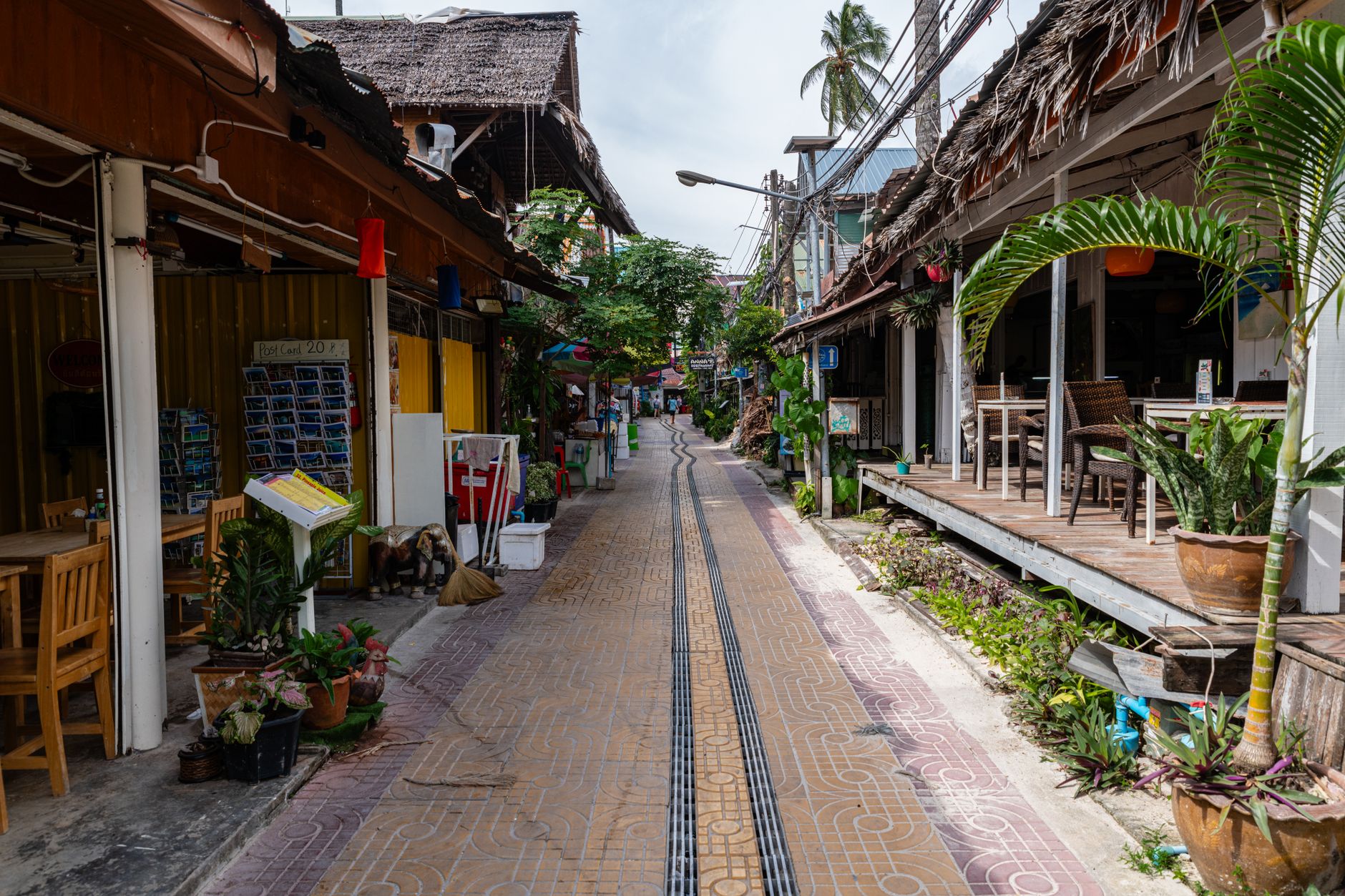
Rawai is one of the most practical retirement destinations in Phuket for buyers who want a quiet, sea-facing base without the price premium of the island's northwest coast. It sits at the southern tip of Phuket, about 20 kilometres from Phuket International Airport and roughly 45 minutes by car in normal traffic. The area attracts long-stay retirees, European expats, and remote workers rather than package holidaymakers, which means lower short-term rental yields but a calmer, more residential atmosphere year-round.
The honest short answer: Rawai suits you if you want affordable property, a walkable seafront promenade, access to day-trip snorkelling, and a large existing expat community. It does not suit you if you need beachfront swimming, fast airport access, or the highest short-term rental income in Phuket.
Quick answer
- Location: Southern Phuket, bordering Nai Harn to the west and Chalong Bay to the north
- Indicative price range (as of 2026, market estimates): THB 60,000 to THB 110,000 per sq m for condominiums; THB 80,000 to THB 150,000 per sq m for pool villas on a leasehold basis
- Rental demand profile: Long-stay retirees and digital nomads, monthly rentals of 3 to 12 months; short-term holiday lets are weaker here than in Bang Tao or Kamala
- Beach character: Rawai beach is a working fishing village beach, not a swimming beach. Nai Harn beach (5 minutes away by scooter) is the closest swimmable beach and ranks among the cleanest in southern Phuket
- Healthcare: Chalong is 10 minutes north and has clinics; Bangkok Hospital Phuket (the main international hospital) is about 25 minutes by car
- International schools: HeadStart International School and British International School Phuket are both within a 20-to-30-minute drive
- Rainy season: May to October; southern Phuket faces the Andaman Sea and receives heavy rainfall in June and July, but the east-facing shoreline of Rawai is calmer than the west coast during storms
Options and scenarios
Who typically buys in Rawai
Rawai draws three distinct buyer profiles, and your fit depends on which group you belong to.
The retirement-focused buyer wants to own or lease a house with a private pool, a garden, and proximity to the seafront promenade where they can walk each morning. THB 4 million to THB 8 million (indicative market estimates, 2026) buys a one-to-two bedroom foreign-quota condominium unit in a low-rise development, while THB 10 million to THB 20 million accesses a 2-bedroom pool villa on a 30-year leasehold. Under Thai law, foreigners cannot own land freehold. The Condominium Act allows foreign nationals to hold up to 49% of a building's total floor area in freehold; this is the safest legal structure for a foreign buyer here.
The long-stay income buyer wants a property that earns rent during the months they are not in residence. In Rawai, realistic gross yields for long-stay monthly rentals run at roughly 5% to 6% per year (market estimates, 2026). Do not expect the 7% to 9% gross yields marketed in Bang Tao's resort developments. The tenant base is more stable but less lucrative.
The lifestyle-first buyer does not need yield. They want a permanent or semi-permanent base in a low-density, community-oriented part of Phuket. Rawai's Saturday market, its concentration of affordable Thai and international restaurants, and its proximity to Nai Harn Lake and Promthep Cape make it popular for this profile. These buyers accept that Rawai is not aspirational in the way Surin or Layan are, and they consider that a feature rather than a drawback.
Rawai versus nearby Nai Harn
Nai Harn is immediately west of Rawai and often grouped with it. Nai Harn has the swimmable beach, which means slightly higher prices for beachside condominiums (THB 90,000 to THB 130,000 per sq m, indicative 2026). Rawai has the promenade, the seafood restaurants, the expat social scene, and more supply of detached villas. For most retirees, the two areas function as one residential zone and a property in either is close enough to the other's amenities.
Rawai versus Karon
Karon is 10 to 15 minutes north of Rawai and offers a swimmable beach with more tourist infrastructure. Condominium prices in Karon cluster around THB 70,000 to THB 100,000 per sq m (market estimates, 2026), similar to Rawai but with higher short-term rental potential due to beach access. If rental income is your priority, Karon may outperform Rawai on short-term lets. However, Karon's tourist strip is busier and louder, which some retirees dislike.
Rawai versus Kamala
Kamala, on the west coast midway up the island, has a swimmable beach, more resort-brand developments, and stronger short-term rental demand. Indicative prices range from THB 100,000 to THB 180,000 per sq m in branded projects. Kamala is better for yield-seeking buyers. Rawai is better for full-time residents who value community over yield.
Rawai versus Bang Tao and Layan
Bang Tao and Layan in northwestern Phuket are the island's premium zones, with a full suite of five-star beach clubs, luxury villas, and branded residences. Prices start at THB 120,000 per sq m and rise sharply. The airport is about 15 to 20 minutes away. For retirees on a fixed budget, or those who dislike construction noise from new projects, Bang Tao can feel like a construction site in parts. Rawai is fully built out as a residential community and has a lower noise-and-dust profile.
Comparison table
| Parameter | Rawai / Nai Harn | Karon | Kamala | Bang Tao / Layan |
|---|---|---|---|---|
| Indicative condo price per sq m (2026 est.) | THB 60K - 110K | THB 70K - 100K | THB 100K - 180K | THB 120K - 250K+ |
| Swimmable beach nearby | Nai Harn, 5 min | Yes, Karon beach | Yes, Kamala beach | Yes, Bang Tao beach |
| Airport distance | ~45 min | ~35 min | ~25 min | ~15-20 min |
| Short-term rental demand | Low to medium | Medium | Medium to high | High |
| Long-stay rental demand | High | Medium | Medium | Medium |
| Indicative gross yield (long-stay) | 5% - 6% | 5% - 7% | 5% - 7% | 6% - 9% |
| Expat / retiree community | Large, established | Moderate | Moderate | Growing |
| Walkability / promenade | Good (seafront road) | Moderate | Low | Low |
| Construction noise risk | Low | Low | Medium | Medium to high |
| Rainy-season beach access | Nai Harn usable most months | Limited Jun-Sep | Limited Jun-Sep | Limited Jun-Sep |
| Who it suits best | Full-time retirees, long-stay | Budget buyers, short lets | Yield buyers | Luxury / yield buyers |
Risks and mistakes
Rawai beach is not a swimming beach
This is the single most common disappointment for first-time visitors who buy without visiting. Rawai beach is lined with longtail boats and used for fishing vessel mooring. The water is shallow and not suitable for swimming. If you expect to swim from your doorstep, you must budget for a scooter or car to reach Nai Harn (5 minutes) or Yanui (10 minutes). Many retirees find this a non-issue; others find it a daily frustration.
Leasehold structure risk
Most villas and houses in Rawai are sold to foreigners on a 30-year leasehold basis with an option to renew. Thai law does not automatically guarantee lease renewal. Before you sign, a qualified Thai property lawyer must review the lease terms, the developer's land title (chanote - meaning a full-title land deed, the most secure form), and renewal mechanisms. Never rely on a verbal promise of renewal. Budget THB 30,000 to THB 60,000 for independent legal review (indicative, 2026).
Oversupply in the mid-range condo segment
Rawai has a relatively contained property market compared to Patong or Bang Tao, but the 1-bedroom condo segment between THB 3 million and THB 5 million is saturated in some developments. Resale liquidity can be slow, with units sitting on the market for 12 to 24 months at listed prices. If you may need to sell within 5 years, factor in a realistic discount of 5% to 15% on your exit price.
Healthcare distance
Rawai does not have a major international hospital. For routine consultations, Chalong and Kata have clinics with English-speaking staff. For surgery, specialist care, or emergencies, you are 20 to 30 minutes from Bangkok Hospital Phuket or Vachira Phuket Hospital. For buyers with chronic conditions or those who may need frequent specialist visits, this response time is a real risk factor. Medical evacuation insurance is strongly recommended.
Flood-prone pockets
Parts of the low-lying inland areas between Rawai and Chalong flood seasonally during heavy June-to-July rainfall. Ask your lawyer to check whether the specific land parcel sits in a flood zone before purchase. This is verifiable via local municipal records.
Transfer taxes and ongoing costs
At the time of a freehold condo purchase, transfer fee (2% of the assessed value), specific business tax or stamp duty, and withholding tax are divided between buyer and seller by negotiation, but in practice buyers often absorb part of this. Annual common area fees (juristic person fees - meaning the maintenance fees charged by the building's management body) in Rawai developments run roughly THB 30 to THB 60 per sq m per month (market estimates, 2026). Confirm the sinking fund (a one-time reserve fund paid at purchase to cover future major repairs) amount before signing.
FAQ
Is Rawai a good place to retire in Phuket?
For buyers who want a quiet, residential atmosphere with a sea view, an established expat community, and affordable prices relative to Phuket's northwest, Rawai is a practical choice. It is not a good fit if you need a swimmable beach at your door, fast airport access, or high short-term rental income.
Can a foreigner buy property freehold in Rawai?
Foreigners can own a condominium unit freehold under the Thai Condominium Act, provided the foreign-quota (maximum 49% of total floor area in the building) has not been filled. Land and houses cannot be owned freehold by most foreign nationals. Villas are typically structured as a 30-year leasehold. Always verify the quota availability and title deed status with an independent lawyer before paying a deposit.
What is the cost of living in Rawai for a retiree?
As a rough guide for 2026, a couple living comfortably in a rented or owned 2-bedroom property in Rawai might budget THB 60,000 to THB 90,000 per month (market estimates), covering accommodation, food, transport, health insurance, utilities, and leisure. Living simply and cooking at home, the figure can fall to THB 40,000 to THB 55,000. These are estimates; your actual costs depend on lifestyle choices.
Which visa options exist for retirees in Rawai?
The most common legal stay option for foreign retirees in Thailand is the Non-Immigrant O-A visa (retirement visa), which requires the applicant to be 50 years or older and to maintain THB 800,000 in a Thai bank account, or show income of THB 65,000 per month, or a combination. This visa must be renewed annually at the local immigration office. Rules can change; check with a licensed Thai immigration lawyer for current requirements.
Is Rawai safe during the rainy season?
Rawai and Nai Harn are on the east-facing and south-facing coasts of Phuket's tip, which means they are partially sheltered from the direct force of the southwest monsoon compared to Patong or Kamala. Nai Harn beach remains swimmable on most days outside the peak storm weeks of June and July. Roads can flood in low-lying areas during heavy rain. Overall, the southern tip is more livable during rainy season than Phuket's mid-west coast.
What are realistic rental yields in Rawai?
For long-stay monthly rentals (3 to 12 months), gross yields of 5% to 6% per year are a realistic estimate for 2026. For short-term holiday lets, yields are lower than in Bang Tao or Kamala because tourist footfall is lower. Net yields after management fees (typically 10% to 20% of rent), maintenance, and vacancy will be lower than gross figures. Treat any projection above 7% gross in Rawai with caution unless the specific building has a documented occupancy record.
How far is Rawai from Phuket airport?
Under normal traffic conditions, Rawai is approximately 40 to 50 minutes from Phuket International Airport. During school holidays and peak season (December to February), traffic through Phuket Town can extend this to 60 to 70 minutes. If you plan to travel frequently, factor the road journey into your lifestyle calculation.
Are there international schools near Rawai?
The closest international schools are in the Karon and Kata areas or further north toward Chalong. HeadStart International School and British International School Phuket are within a 20-to-35-minute drive depending on traffic. Rawai is not typically recommended as a base for families with school-age children who want to minimise commute time; Bang Tao is better positioned for families needing the international school corridor on the north of the island.
What is the difference between a chanote and other title deeds in Rawai?
A chanote (full title land deed, known formally as Nor Sor 4 Jor) is the highest-grade land title in Thailand, confirming GPS-surveyed boundaries and full legal ownership. Only buy property backed by a chanote. Lower-grade titles such as Nor Sor 3 or 3 Kor carry risks of boundary disputes or restricted rights. Ask your lawyer to verify the title at the relevant Land Office before any payment.
Is there a risk of new development noise in Rawai?
Rawai is one of the more mature residential zones in Phuket and has less large-scale new development than Bang Tao or Layan. There are still individual villa projects on hillside plots and some condo developments along the main roads. Before purchase, visit the immediate surroundings at different times of day and check the Phuket municipal planning office for approved building permits on adjacent land.
Planning a property purchase in Thailand? Send us your requirements - the THAI.ESTATE team will reply with specific options and a safety checklist for your case.