Editorial
Is Rawai Good for Retirement? An Honest 2026 Guide
By THAI.ESTATE Editorial Team13 min read
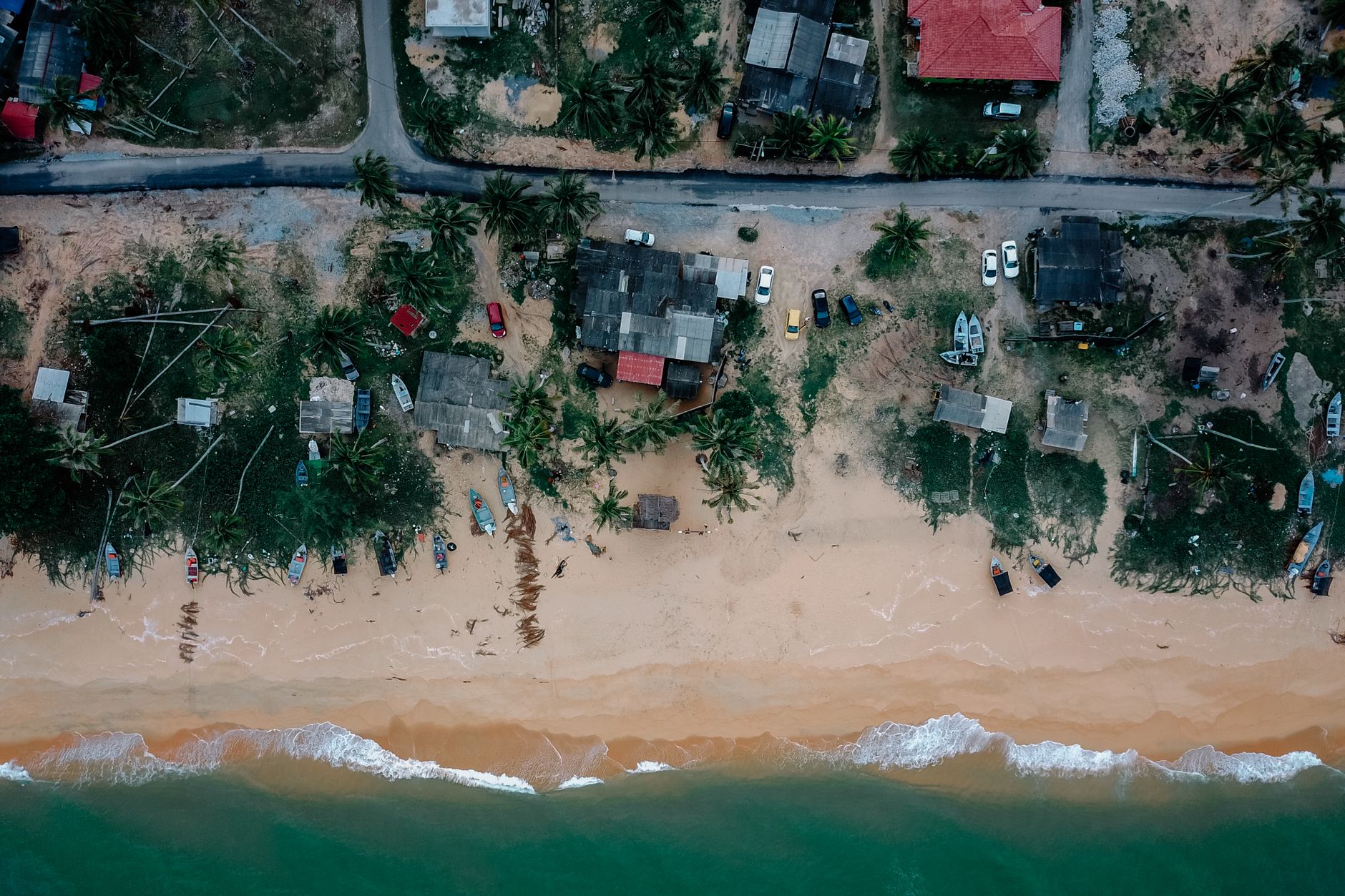
Rawai, at the southern tip of Phuket, is one of the most genuinely liveable areas on the island for long-stay retirees. It is not a resort strip. It is a working neighbourhood with a real sea gypsy fishing village, a daily fresh seafood market, and a resident population that includes a large number of foreign retirees who arrived years ago and stayed. If you want beach clubs and nightlife, Rawai is the wrong choice. If you want quiet mornings, affordable property, good road access to Phuket's hospital corridor, and a community feel, Rawai deserves serious attention.
This guide gives you an honest comparison of Rawai against other popular retirement areas in Phuket and Thailand. It covers indicative property prices (as of 2026, market estimates), healthcare access, infrastructure, seasonal realities, and the direct answer to who should - and who should not - choose Rawai for retirement.
Quick answer
- Rawai is a strong retirement fit for buyers who want low density, a genuine local atmosphere, and value-for-money property in the THB 3 to 8 million range (market estimates, 2026)
- Rawai is not a beach-swimming destination: the tidal flats in front of the village mean the water is shallow and not suitable for daily ocean swimming; Nai Harn beach is a 5 to 8 minute drive
- Healthcare access is good: Chalong and Phuket Town, both within 15 to 20 minutes, hold the island's main private hospitals
- Phuket International Airport is roughly 45 to 55 minutes by car, longer in peak-hour traffic - longer than Bang Tao or Layan
- The rainy season (May to October) is heavy in Rawai but the area drains well; flooding is less common here than in low-lying parts of Phuket
- Rental yield potential is lower than Patong or Bang Tao because Rawai attracts long-stay renters rather than short-stay holidaymakers; expect 4 to 5 percent gross yield on a well-located villa (market estimates, 2026)
- Rawai has no international school on its doorstep - families with school-age children typically need to travel 20 to 35 minutes to Karon or Phuket Town campuses
Options and scenarios
Who is Rawai genuinely right for?
Rawai suits a specific retiree profile. You are likely a good fit if:
- You are 50-plus, have a reliable pension or passive income, and do not depend on property rental to cover costs
- You prefer a quieter pace: coffee shops, seafood restaurants, cycling on the southern headland, and day trips rather than nightlife
- You are comfortable owning and driving a car or scooter; Rawai has almost no walkable retail and no public transport worth noting
- You want value: a private pool villa in Rawai costs considerably less than a comparable property in Bang Tao, Layan, or Surin
- You already know Thailand and have spent at least one full rainy season in the country before committing to purchase
Rawai compared to Nai Harn
Rawai and Nai Harn are adjacent and often discussed together. Nai Harn sits about 5 minutes inland from its beach. Its beach - Nai Harn Beach - is one of the most consistently praised on the island for swimming quality. Property in Nai Harn proper is slightly more expensive than core Rawai because of that beach proximity, and the area has seen more villa development since 2022. Retirees who want to walk to a swimmable beach should look at Nai Harn first. Retirees who prefer a local market atmosphere and slightly lower prices will often choose Rawai.
Rawai compared to Chalong
Chalong sits between Rawai and Phuket Town. It is more urban, less scenic, but extremely convenient. Chalong houses several private clinics, the Big C and Makro retail stores, and a large expat services cluster (visa agents, dentists, international supermarkets). Property is cheaper than Rawai in many pockets. The trade-off is that Chalong has no beach within walking distance and the streetscape is functional rather than pleasant. Some retirees choose to live in Chalong for pure convenience and drive to Rawai for the seafood market and the southern coast atmosphere.
Rawai compared to Bang Tao
Bang Tao, on the west coast north of Phuket Town, is Phuket's main luxury development corridor. Branded residences, beach club access, and proximity to the airport make it the default recommendation for investors and younger buyers. As of 2026, indicative condominium prices in Bang Tao start around THB 100,000 to 150,000 per square metre for mid-tier projects (market estimates). Rawai pool villas in the same period range from THB 3 to 8 million for older stock and THB 8 to 15 million for newer builds on larger plots (market estimates, 2026). Bang Tao offers better rental liquidity if you plan to rent the property when you are not using it. Rawai offers lower entry cost and a quieter retirement lifestyle.
Rawai compared to Koh Samui (Bophut, Maenam)
Some buyers compare the Phuket south coast to Koh Samui for retirement. Koh Samui's north shore - particularly Bophut and Maenam - has a similar local-market feel and attracts long-stay retirees. Samui is smaller and can feel more intimate. However, Samui's hospital infrastructure is meaningfully weaker than Phuket's, and international flight connections require a transit through Bangkok for most routes. For retirees who value direct access to serious medical care, Phuket's hospital network is a significant advantage over Samui. Rawai, as part of Phuket, benefits from that advantage.
Rawai compared to Bangkok (Sukhumvit, Sathorn)
Bangkok is a minority choice for retirees seeking beach access, but some buyers prefer urban convenience above everything else. Sukhumvit and Sathorn offer world-class hospitals within taxi distance, BTS Skytrain connectivity, and the widest range of international food and entertainment in the country. Bangkok condominiums on Sukhumvit are priced from THB 120,000 to 250,000 per square metre for mid-to-upper tier units (market estimates, 2026). For retirees who travel frequently for medical treatment or business, Bangkok can be more practical than any beach destination. But if sea air, space, and a slower pace are your priorities, Rawai offers things Bangkok cannot.
Comparison table
| Parameter | Rawai (Phuket south) | Nai Harn (Phuket south) | Bang Tao (Phuket west) | Bophut (Koh Samui) | Sukhumvit (Bangkok) |
|---|---|---|---|---|---|
| Indicative price, villa/condo per sqm (2026 est.) | THB 40,000-80,000 | THB 55,000-100,000 | THB 100,000-150,000 | THB 35,000-70,000 | THB 120,000-250,000 |
| Swimming beach within 10 min walk | No (tidal flat) | Yes (Nai Harn Beach) | Yes (Bang Tao Beach) | Partly (Bophut beach, calm) | No |
| Airport distance (driving) | 45-55 min | 50-60 min | 20-30 min | 25-35 min (Samui airport) | 30-60 min (Suvarnabhumi) |
| Private hospital within 20 min | Yes (Chalong, Phuket Town) | Yes | Yes | Limited | Yes (extensive) |
| International school within 30 min | Possible (35+ min typical) | Possible | Yes (20-25 min) | Limited | Yes (multiple) |
| Rental yield estimate (gross, 2026) | 4-5% | 4-6% | 6-8% | 4-6% | 4-6% |
| Rental demand type | Long-stay, retirees | Long-stay, some holiday | Holiday, short-stay | Mixed | Corporate, expat |
| Walkability | Low | Low | Low-medium | Low-medium | High (BTS areas) |
| Rainy season impact | Moderate | Moderate | Moderate-heavy | Heavy (different pattern) | Moderate |
| Retirement lifestyle fit | High | High | Medium | Medium-high | Medium |
| Investment liquidity | Lower | Lower | Higher | Medium | Medium-high |
Risks and mistakes
The tidal flat misunderstanding
Many buyers see 'Rawai seafront' listings and assume they are buying ocean-front swimming access. The Rawai seafront is a tidal flat and fishing village foreshore. At low tide, the water retreats hundreds of metres. It is scenic but not swimmable. If daily ocean swimming matters to you, budget for a property within a short drive of Nai Harn Beach rather than expecting Rawai's own waterfront to serve that purpose.
Oversupply in the villa market
Rawai and the surrounding southern Phuket area saw a significant wave of small villa development between 2019 and 2024. Some of these projects were marketed heavily to remote buyers. As of 2026, pockets of the market carry oversupply risk, particularly for two-bedroom pool villas priced above THB 10 million in secondary locations. Resale liquidity is thinner than in Bang Tao or Patong. Before committing, check how long comparable properties have been listed and whether the seller is a developer or an individual - developer inventory taking more than 12 months to sell is a warning sign.
Title deed quality
Thai law distinguishes between title deed types. A chanote (full title deed, the NS-4 Jor in Thai, giving GPS-verified ownership rights) is the only type you should accept for a villa or house purchase. Inferior deeds - Nor Sor 3 Gor, Nor Sor 3 - carry development risk and boundary uncertainty. In southern Phuket, including Rawai, a minority of plots still carry older title types. Always verify the title deed through a Thai property lawyer before signing any reservation agreement or paying any deposit.
Foreign ownership rules
As a foreign national, you cannot own land in Thailand in your personal name under current law (as of 2026). Your practical options for a Rawai villa are:
- Condominium freehold: foreigners can own up to 49 percent of units in a registered condominium building outright. Rawai has limited condominium supply.
- Long-term lease (leasehold): a 30-year registered lease on a villa, sometimes with a contractual option to renew. The lease must be registered at the Land Office to be legally enforceable.
- Thai company structure: ownership through a Thai-majority company. This requires careful legal advice and genuine operational compliance; misuse of nominee structures is illegal under Thai law.
Never let a developer or agent dismiss these ownership questions as routine. Get independent legal advice before any payment.
Transfer and ongoing costs
When you buy property in Thailand, the total transfer cost at the Land Office typically ranges from 2 to 6 percent of the registered value, depending on the holding period of the seller and the agreed split of fees between buyer and seller. Common components include a transfer fee (currently 2 percent of the appraised value), a withholding tax on the seller's side (variable), and a specific business tax or stamp duty depending on how long the seller has held the asset. Confirm the full cost breakdown with your lawyer before signing.
For condominiums, also budget for a sinking fund (a one-time capital reserve paid at transfer, used for building maintenance), which typically runs THB 400 to 700 per square metre (market estimates, 2026), and monthly common area fees (juristic person fees, covering shared facilities management).
Rainy season isolation
Rawai's rainy season runs from May to October. Rainfall is heavy, sometimes daily. The roads on the southern Phuket headland are hilly and can flood briefly after extreme rain, though less severely than low-lying central Phuket areas. Outdoor activity is more limited from June to September. Some restaurants and small businesses in Rawai reduce hours or close during this period. If you plan to spend the full year in Rawai, visit during June or July before buying to form a realistic picture of the off-season lifestyle.
Healthcare: what 'good access' actually means
Rawai has clinics, pharmacies, and a reasonable level of basic care. For anything serious - cardiac, oncology, complex surgery - you will travel to Phuket International Hospital or Bangkok Hospital Phuket, both in Phuket Town and Chalong corridors, roughly 15 to 25 minutes away. This is manageable. But compare it to Sukhumvit in Bangkok, where world-class hospitals are a 5-minute taxi ride. For retirees with existing complex health conditions, proximity to a major hospital should rank above lifestyle factors in the decision.
FAQ
Is Rawai a good area for retirement in Phuket?
Rawai is a strong retirement option for buyers who want a quiet, affordable base on Phuket's south coast. It has a settled expat community, a genuine local market atmosphere, and good road access to Phuket's main hospitals. It is not suitable for buyers who expect to walk to a swimmable beach or who rely on public transport.
What is the cost of buying a villa in Rawai in 2026?
As of 2026, market estimates put older two- to three-bedroom pool villas in Rawai at THB 3 to 8 million. Newer builds on larger plots range from THB 8 to 15 million. These are indicative figures. Prices vary significantly based on plot size, pool configuration, build quality, and distance from the seafront road.
Can foreigners own property in Rawai?
Foreigners cannot own land in Thailand in their personal name. In Rawai, where condominium supply is limited, most foreign buyers use a registered 30-year leasehold structure for villas. A Thai company structure is also used but requires genuine legal compliance. For any purchase, engage an independent Thai property lawyer before paying any deposit.
Is Rawai or Nai Harn better for retirement?
The two areas are adjacent and complement each other. Nai Harn is better if walking distance to a swimmable beach matters to you. Rawai is better if you prefer the seafood market atmosphere, slightly lower prices, and proximity to Chalong's services. Many retirees buy in Rawai and drive to Nai Harn for swimming, which takes about 5 to 8 minutes.
How does Rawai compare to Koh Samui for retirement?
Rawai (as part of Phuket) has stronger private hospital infrastructure and better direct international flight connections than Koh Samui. Samui has a more intimate island feel and can be appealing if you want a smaller community. For retirees who value reliable access to serious medical care, Phuket is the safer choice.
What are the main risks of buying in Rawai?
Key risks include: tidal flat confusion (the Rawai seafront is not a swimming beach), oversupply pockets in the villa market, title deed quality (always verify chanote title), and the legal complexity of foreign ownership. Resale liquidity is lower than in Bang Tao or Patong. Budget for 2 to 6 percent in Land Office transfer costs on top of the purchase price.
Does Rawai have good healthcare for retirees?
Rawai has basic clinics and pharmacies. For serious medical needs, Chalong and Phuket Town are 15 to 25 minutes away and hold multiple private hospitals with English-speaking staff. This is adequate for most retirees. Those with complex existing health conditions should consider whether proximity to Bangkok-level specialist care is more important than a beachside lifestyle.
What rental yield can I expect in Rawai?
Gross rental yields in Rawai are estimated at 4 to 5 percent for well-located pool villas, based on long-stay rental demand (market estimates, 2026). Short-stay holiday rental yields are lower than in Bang Tao because Rawai does not attract the same volume of one- to two-week holidaymakers. If yield optimization is your primary goal, Bang Tao is a more suitable location.
Is the rainy season a problem in Rawai?
The rainy season runs May to October. Heavy rain is frequent, particularly June to September. Rawai's elevated southern position and good drainage means severe flooding is uncommon. Outdoor lifestyle is more limited during this period and some local businesses reduce hours. Spending at least one month in Rawai during the rainy season before purchasing is strongly advisable.
Who should not buy in Rawai?
Rawai is a poor fit if you: want to walk to a swimmable beach daily; need public transport; plan to run a short-stay rental business targeting one- to two-week tourists; have serious healthcare needs requiring rapid hospital access; or are buying primarily as a liquid investment asset for resale. Buyers in these categories should look at Nai Harn, Bang Tao, or Bangkok depending on their priorities.
Planning a property purchase in Thailand? Send us your requirements - the THAI.ESTATE team will reply with specific options and a safety checklist for your case.