Editorial
How Long Does It Take to Buy a Condo in Thailand: 2026 Timeline
By THAI.ESTATE Editorial Team16 min read
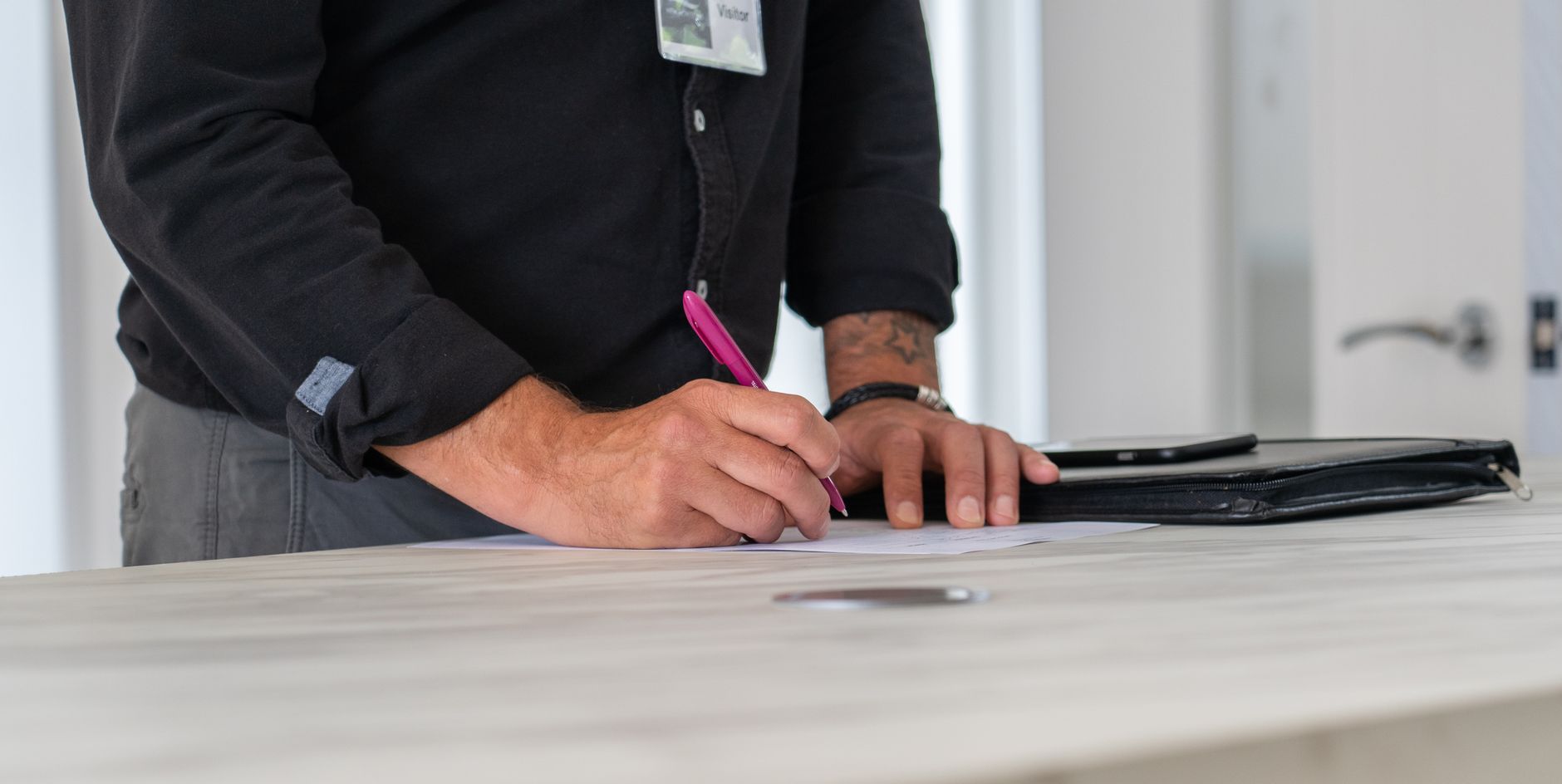
Buying a condo in Thailand as a foreigner takes between 4 weeks and 6 months, depending on whether the unit is ready-built or off-plan, how quickly you complete due diligence, and how fast your international bank transfer clears with the correct documentation. For a completed unit with all paperwork in order, most foreign buyers close in 4 to 8 weeks. Off-plan purchases can stretch to 2 to 5 years if you count from reservation to handover.
This guide walks you through every stage in order: reservation, due diligence, the sale and purchase agreement (SPA), the Foreign Exchange Transaction (FET) form, Land Office registration, and handover. Each section states how long it takes, what it costs (marked as indicative), and which documents you must sign or demand.
Quick answer
- A ready-built condo purchase closes in 4 to 8 weeks from reservation to title transfer, assuming funds arrive correctly from abroad
- An off-plan condo involves an immediate legal purchase but physical handover in 1 to 5 years, depending on the construction schedule
- The FET form (Foreign Exchange Transaction form) is mandatory for foreign condo ownership registration; a wrong transfer reference can delay or block title transfer
- Land Office registration typically takes 1 to 3 hours on the day, but scheduling an appointment can take 1 to 4 weeks depending on the province
- You can handle most steps remotely via a notarized power of attorney (POA), but the original POA may need to reach Thailand physically
- Transfer fees and taxes at the Land Office run approximately 2% to 6.3% of the registered value (indicative, as of 2026), split between buyer and seller by negotiation
Options and scenarios
Scenario 1: Ready-built condo, buyer physically present
This is the fastest route. You visit the unit, instruct a lawyer, complete due diligence, wire funds from your home country, and attend the Land Office on the same trip. The realistic timeline is 4 to 8 weeks, with most of the time spent waiting for the international transfer to clear and for the FET form to be issued by the receiving Thai bank.
Key steps:
- Day 1 to 3: Pay a reservation fee (typically THB 50,000 to 200,000, indicative) to take the unit off the market. This is usually non-refundable if you withdraw without cause, so do not sign before you have seen the title deed (chanote).
- Week 1 to 2: Due diligence. Your lawyer checks the chanote (the full-ownership title deed, the strongest form of title in Thailand), the building's condominium juristic person registration (the legal entity that manages the building), the foreign ownership quota (foreigners can hold up to 49% of total sellable floor area in a condominium building), utility accounts, outstanding maintenance fees, and the sinking fund balance. A sinking fund is a one-time capital reserve paid at purchase to cover major future repairs.
- Week 2 to 3: Sign the sale and purchase agreement (SPA). Read it fully. The SPA must state the transfer date, penalty clauses for delay on both sides, and the payment schedule.
- Week 2 to 4: Wire the full purchase price from your overseas bank account in foreign currency to the developer's or seller's Thai bank account. The receiving Thai bank issues the FET form (see the dedicated section below).
- Week 3 to 8: Land Office appointment, title transfer, and key handover.
Scenario 2: Ready-built condo, buyer purchasing remotely
You can buy without traveling to Thailand by granting a notarized and apostilled power of attorney to your Thai lawyer. The lawyer signs all documents and attends the Land Office on your behalf. Add 1 to 2 weeks to the timeline for POA preparation, notarization in your country, apostille certification, and courier delivery to Thailand. Total timeline: 5 to 10 weeks.
Scenario 3: Off-plan condo from a developer
You sign a SPA and pay a deposit (typically 10% to 30% of the purchase price) at the start. The rest is paid in installments tied to construction milestones - foundation, structure, fit-out, completion. Physical handover happens when the building receives its completion certificate. Timeline from reservation to handover: 12 months to 5 years, depending on the project stage when you buy.
Your legal exposure during the construction period is real. There are no escrow accounts for foreign property buyers in Thailand in the conventional sense. The developer holds your installment payments. Protection comes from:
- Construction-linked payment schedules (you pay only when milestones are met)
- Contractual penalty clauses for delayed delivery
- Developer verification before you sign (see the due diligence section)
Scenario 4: Resale condo from a private seller
Similar to Scenario 1 but with additional checks: unpaid mortgages, liens registered on the chanote, outstanding maintenance fees, and whether the seller has the right to sell (confirm the chanote is in the seller's name). Timeline: 4 to 8 weeks.
Comparison table
| Parameter | Ready-built, present | Ready-built, remote | Off-plan | Resale, private |
|---|---|---|---|---|
| Total timeline | 4 to 8 weeks | 5 to 10 weeks | 1 to 5 years | 4 to 8 weeks |
| Key risk | FET form error | POA courier delay | Developer default | Hidden encumbrances |
| Reservation fee | THB 50k to 200k | THB 50k to 200k | THB 50k to 500k | THB 50k to 200k |
| Deposit at SPA | 10% to 30% | 10% to 30% | 10% to 30% | 10% to 30% |
| Payment at transfer | Balance | Balance | Final installment | Balance |
| Transfer fees (indicative) | 2% to 6.3% | 2% to 6.3% | 2% to 6.3% | 2% to 6.3% |
| POA needed | Optional | Mandatory | Optional | Optional |
| FET form required | Yes | Yes | Yes | Yes |
| Earliest physical entry | Day 1 | After handover | After construction | Day 1 |
All costs are indicative figures as of 2026. Transfer fees depend on registered value and fee-splitting negotiation between buyer and seller.
Step-by-step timeline: what happens at each stage
Step 1: Reservation (Day 1 to 3)
You pay a reservation fee to remove the unit from the market. Before you pay:
- Demand a copy of the chanote. The chanote is the highest-grade title deed in Thailand, issued by the Land Department. It confirms legal ownership and boundaries. Units sold under lesser title documents (Nor Sor 3, Sor Kor 1) carry higher legal risk.
- Check the foreign quota. Ask the developer or juristic person manager for the current foreign ownership ratio. If foreigners already hold 49% or more of the building's sellable floor area, you cannot register ownership in your name under the Condominium Act.
- Do not sign a reservation form that waives your right to a legal review. A reputable developer will give you at least 5 to 7 days after signing the SPA to raise concerns.
Cost: THB 50,000 to 200,000 (indicative), usually credited toward the purchase price.
Step 2: Due diligence (Week 1 to 2)
Hire a qualified Thai property lawyer before you sign the SPA. Attorney fees for a standard condo purchase run approximately THB 15,000 to 50,000 (indicative).
Your lawyer must check and provide you with written confirmation of:
- Chanote is clean: no mortgages, seizure orders, or servitudes registered against it
- The building has a valid condominium registration under the Condominium Act B.E. 2522 (1979, as amended)
- The EIA (Environmental Impact Assessment) approval is on file, for buildings over a certain size threshold
- The building permit (construction permit issued by the local authority) matches the building as built
- For off-plan: the developer holds a valid land title for the plot, not a lease or a lesser right
- The juristic person (the building management entity) has no outstanding lawsuits
- Outstanding common area fees and sinking fund contributions are zero or agreed to be cleared before transfer
For off-plan purchases, also request:
- The developer's company affidavit (a certified extract from the Department of Business Development showing directors, registered capital, and shareholding structure, dated within 3 months)
- Copies of the EIA approval letter and the building permit
- The developer's track record: ask for the names and completion dates of previous projects and verify them independently at the Land Office or through public records
Step 3: Sale and purchase agreement (Week 2 to 3)
The SPA is the binding contract. Thai developers often use standard forms, but these protect the developer, not you. Your lawyer must review and negotiate:
- Transfer date: a firm calendar date, not a vague phrase like 'upon completion'
- Penalty clause: what the developer pays you per day if transfer is delayed past the agreed date (typically 0.01% to 0.1% of the purchase price per day, indicative)
- Force majeure definition: make sure it does not cover routine construction delays
- Snagging rights: your right to inspect the unit before final payment and produce a defect list that the developer must fix
- Fee-splitting: which party pays each component of the Land Office transfer taxes
Time to sign after review: 3 to 7 days. Sign in two original copies, one for each party.
Step 4: Transferring funds and obtaining the FET form (Week 2 to 4)
This is the step where most foreign buyers make costly errors.
The FET form (Foreign Exchange Transaction form) is a document issued by a Thai commercial bank confirming that foreign currency funds arrived from abroad and were converted to Thai baht. The Land Department requires it to register a foreign buyer's name on a condo chanote. It also matters when you sell: you need the FET form to repatriate sale proceeds abroad.
Rules you must follow:
- Wire funds from your personal overseas bank account directly to the developer's or seller's Thai bank account (or to your own Thai bank account first, then to the seller).
- The wire must be in foreign currency (USD, EUR, GBP, AUD, SGD, etc.), not in Thai baht. A wire sent in baht does not qualify.
- The transfer reference or purpose field must clearly state the purpose: for example, 'purchase of condominium unit, Thailand'. An ambiguous or blank reference field can mean the Thai bank does not issue the FET form, and the Land Office cannot register the transfer.
- The amount on the FET form must equal or exceed the registered transfer value. If you split the payment into installments (common for off-plan), you need a separate FET form for each foreign-currency transfer, and you must retain all of them.
- Ask your Thai bank in writing, before the wire arrives, exactly what reference text they need to issue the FET form for condo purchase purposes.
Processing time after the wire arrives: 1 to 5 business days for the Thai bank to issue the FET form (indicative, depends on the bank and transfer amount).
Step 5: Land Office registration (Week 3 to 8)
The title transfer happens at the provincial Land Office that covers the condo's location. For example, a Phuket condo transfers at the Phuket Land Office; a Chiang Mai condo at the Chiang Mai Land Office.
Documents you (or your POA holder) bring:
- Original passport (all pages)
- Original FET form(s) covering the full purchase price
- Original SPA
- Original chanote (the seller brings this)
- Power of attorney (if you are not physically present), notarized and apostilled
- Transfer tax payment receipts (you pay these at the Land Office on the day)
Fees at the Land Office (indicative, as of 2026, based on the registered transfer value):
- Transfer fee: 2% of the appraised value
- Stamp duty: 0.5% of the registered value (applies when the seller has held the unit for 5 or more years; otherwise specific business tax applies)
- Specific business tax (SBT): 3.3% of the registered or appraised value (whichever is higher), applies when the seller has held the unit for less than 5 years
- Withholding tax: calculated on the seller's gain; paid by the seller
Total buyer-side cost is typically 2% to 2.5% of the registered value when you pay only the transfer fee. If the seller shifts SBT to the buyer by negotiation, your cost rises. Always clarify fee-splitting in the SPA before signing.
Time at the Land Office on the day: 1 to 3 hours. Bring originals of everything; the Land Office keeps a certified copy.
Booking the appointment: In major property markets like Phuket, Pattaya, Chiang Mai, and Bangkok (handled by district land offices), waiting times for appointments range from 1 to 4 weeks in busy periods. Factor this into your travel plans.
After registration, the Land Office issues an updated chanote with your name in the ownership section. This is your proof of ownership. Keep the original in a secure location.
Step 6: Handover (same day as registration or shortly after)
For ready-built units, handover usually follows title transfer on the same day or within a few days. For off-plan units, handover is the moment construction is complete and the unit passes inspection.
Your pre-handover snagging checklist:
- Check all fixtures, fittings, appliances, and finishes against the SPA specifications
- Test all electrical sockets, lights, air conditioning units, and water pressure
- Check for cracks, uneven tiles, and door or window alignment
- Document every defect in writing and photograph each item
- Do not sign the handover acceptance form until the defect list is agreed in writing and a repair deadline is set
- Confirm that the sinking fund contribution is reflected in the building's accounts
Risks and mistakes
Wrong FET form reference - the most expensive routine error
If your bank wire arrives without a clear property purchase reference, the Thai bank may classify it as a general transfer, which does not qualify for FET form issuance. Correcting this after the fact requires additional documentation, correspondence between banks, and sometimes months of delay. In the worst case, you cannot register ownership at all without additional funds sent from abroad. Always confirm the exact reference text with the Thai bank before initiating the wire.
Buying outside the 49% foreign quota
If a building's foreign quota is already full, you cannot register in your own name, regardless of how much you paid. Check the quota before you pay any reservation fee. There is no legal workaround for a condominium under the Condominium Act.
Skipping due diligence to save time
A week saved on due diligence can cost years in legal disputes. Encumbrances (mortgages, court orders) registered on the chanote survive a title transfer and become your problem. A Thai lawyer's fee of THB 15,000 to 50,000 is a low cost relative to the purchase price.
Signing an SPA without a penalty clause
Off-plan developer delays are common. Without a written penalty clause specifying daily compensation for late delivery, you have limited recourse. Thai Consumer Protection laws offer some baseline rights, but a contractual penalty clause is faster and more direct to enforce.
Using baht transferred from a foreign account
Some buyers convert currency in their home country and wire baht to Thailand. This will not produce a valid FET form because the conversion happened outside the Thai banking system. The funds must arrive in foreign currency and be converted by the Thai bank.
Relying on the developer's lawyer
The developer's in-house legal team represents the developer, not you. Always hire independent legal counsel.
Not retaining all FET forms
When you eventually sell, you will need the original FET forms to prove that purchase funds came from abroad, which allows you to repatriate the sale proceeds. Losing them creates complications at exit.
FAQ
How long does it take to buy a ready-built condo in Thailand as a foreigner?
For a buyer who is physically present and has funds ready to wire, the realistic timeline is 4 to 8 weeks from reservation to title transfer at the Land Office. The main variables are how long due diligence takes, how fast the international wire clears, and when a Land Office appointment is available.
Can I buy a condo in Thailand without visiting the country?
Yes. You can grant a notarized and apostilled power of attorney to a Thai lawyer, who will sign all documents and attend the Land Office on your behalf. Add 1 to 2 weeks for POA preparation and courier delivery. All communication, document review, and fund wiring can be handled remotely.
What is the FET form and why does it matter for condo ownership?
The FET form (Foreign Exchange Transaction form) is issued by a Thai commercial bank when it receives foreign currency from abroad and converts it to Thai baht. The Land Department requires this form to register a foreign buyer as the condo owner under the Condominium Act. Without a valid FET form covering the full registered transfer value, the Land Office will not complete the registration. You also need the FET form when you sell, to repatriate your funds abroad.
How much does it cost to transfer a condo title in Thailand?
As of 2026, the transfer fee is 2% of the appraised value. Stamp duty (0.5%) or specific business tax (3.3%) applies to the seller, but fee-splitting is negotiated in the SPA. Buyer-side costs are typically 2% to 2.5% of the registered value when the seller absorbs SBT. All figures are indicative and subject to the Land Department's appraised value for the specific unit.
What is the foreign ownership quota for Thai condominiums?
Under the Condominium Act, foreigners collectively may not own more than 49% of the total sellable floor area in any single condominium building. If that quota is full, a foreign buyer cannot register ownership in their name. Check the current quota with the building's juristic person manager before paying a reservation fee.
What documents should I demand before signing the SPA for an off-plan condo?
Demand copies of: the chanote for the land plot, the building permit, the EIA approval (if applicable), the developer's company affidavit dated within 3 months, and the project's construction timeline. Ask your lawyer to verify these documents against the original records at the relevant government offices.
What protections exist if a developer delays or defaults on an off-plan project?
There are no escrow accounts for foreign property buyers in Thailand. Real protections are: construction-linked payment schedules that tie your installments to verifiable milestones, penalty clauses in the SPA for late delivery, and developer verification before you sign. You can also check whether the developer has pre-sold other projects and completed them on time - this is publicly verifiable through Land Office records and building registrations.
How long does the Land Office registration take on the day?
For a straightforward condo transfer, the process at the Land Office window takes 1 to 3 hours. Booking the appointment in advance is recommended in major markets; waiting times for appointments range from 1 to 4 weeks during busy periods.
What is a sinking fund and when do I pay it?
A sinking fund is a one-time capital reserve contribution paid by the buyer at the time of transfer, held by the condominium juristic person for major future repairs (roof replacement, elevator overhaul, etc.). The amount is set by the condo's rules, typically THB 400 to 700 per square metre (indicative). Confirm the exact amount in the SPA before signing.
Can I sell my Thai condo and take the money out of Thailand?
Yes, if you have the original FET forms proving that purchase funds came from abroad in foreign currency. Present these to your Thai bank when repatriating sale proceeds. The bank will issue a new outward transfer based on the documented inbound amount. Amounts exceeding your documented inbound investment may face additional scrutiny.
Planning a property purchase in Thailand? Send us your requirements - the THAI.ESTATE team will reply with specific options and a safety checklist for your case.