Editorial
Freehold Condo Quota in Thailand: What Foreign Buyers Must Know in 2026
By THAI.ESTATE Editorial Team13 min read
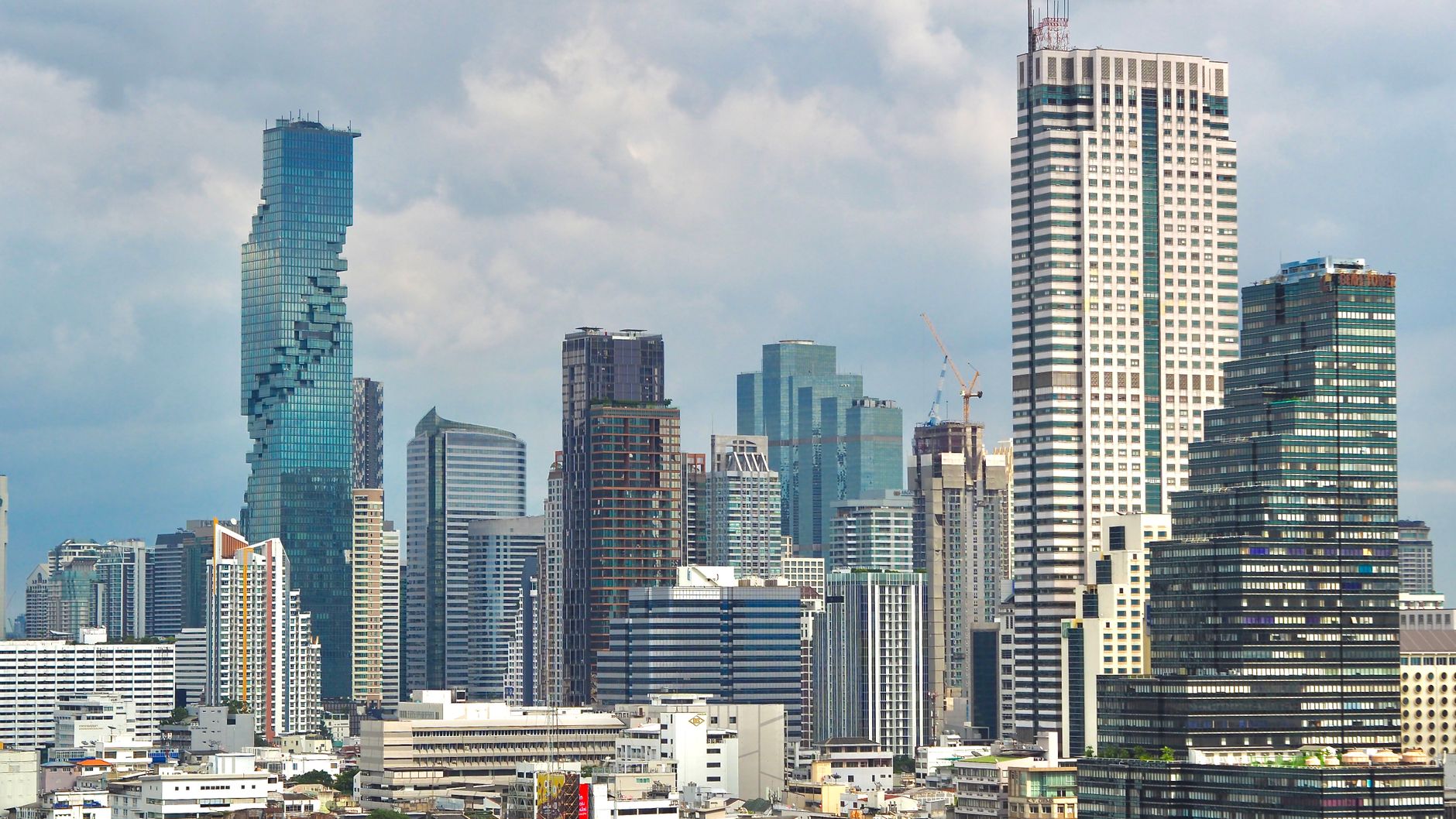
Foreign buyers can own a condominium unit in Thailand in their own name under the Thai Condominium Act. However, that right is capped by a strict building-level quota: foreign freehold ownership cannot exceed 49% of the total sellable floor area in any single registered condominium building. The remaining 51% must be held by Thai nationals or Thai-registered entities. This rule applies per building, not per project, and it applies at the moment you transfer title at the Land Office.
If the foreign quota in your target building is already full, you have two realistic paths: buy on a long-term lease (typically 30 years, registered at the Land Office), or find a different building where quota remains available. There is no legal mechanism to 'convert' a quota-full building or to place a foreign buyer above the 49% ceiling.
Quick answer
- Foreign freehold ownership in a Thai condominium is capped at 49% of total sellable floor area per building, under the Condominium Act B.E. 2522 (1979) and its amendments.
- The quota is calculated by floor area, not by number of units, so a few large foreign-owned units can fill the quota faster than many small ones.
- Quota status is checked and confirmed at the Land Office on the day of transfer - not at reservation or contract signing.
- Foreign funds must enter Thailand correctly: each foreign buyer must show a Foreign Exchange Transaction (FET) certificate, or equivalent bank documentation, proving that the purchase money was transferred into Thailand in foreign currency and converted to Thai baht.
- If the foreign quota is full, the only freehold option is gone; a 30-year registered lease is the alternative, with all the limitations that entails.
- Quota availability changes over time as units are resold from foreign to Thai buyers or vice versa, so always request a current quota certificate from the juristic person (the building's management body) before you reserve.
Options and scenarios
Scenario 1: Foreign quota is available - freehold purchase
This is the strongest position for a foreign buyer. You receive a chanote (the full title deed, formally called Nor Sor 4 Jor in Thai land administration) in your personal name, registered at the Land Office. Your name appears on the title. You can sell, mortgage (subject to lender appetite), inherit, and renovate subject to building rules.
To complete a freehold condo purchase as a foreigner you must, as of 2026:
- Confirm in writing from the juristic person that foreign quota remains in the building.
- Transfer the full purchase price from overseas in foreign currency (not Thai baht) into a Thai bank account in your name.
- Obtain a FET certificate (Foreign Exchange Transaction form, also called a Thor Tor 3 or equivalent bank confirmation) for the full amount.
- Present the FET certificate at the Land Office on transfer day.
Without the FET certificate, the Land Office will not register the transfer under the foreign freehold category. This is a hard requirement, not a formality.
Scenario 2: Foreign quota is full - leasehold as the alternative
When the 49% ceiling is reached, the building cannot legally register any more foreign freehold transfers. In this case, a developer or seller may offer a 30-year registered lease. This is a real legal instrument: registered at the Land Office, it binds the landowner for the lease term. It is not ownership, but it gives you documented right of possession for up to 30 years.
The critical points on leasehold:
- Thai law permits lease registration for a maximum of 30 years at a time (Land Code). A lease longer than 30 years is not registrable and is unenforceable against a future land buyer beyond the registered term.
- Developers and agents often market '90-year leases' by stacking three 30-year terms. The first 30-year period is registered and enforceable. The two renewal periods are contract promises only - they bind the current developer or landowner, but if the land is sold to a new owner, those renewal promises do not automatically bind the new owner unless that new owner has separately agreed in writing.
- Renewal clauses in a lease contract are not the same as registered rights. The Land Office does not register renewal promises. This distinction matters most if the developer sells the land, restructures, or becomes insolvent.
- A registered leasehold can be inherited if the lease contract explicitly allows assignment or inheritance. Without that clause, the lease ends on the lessee's death under Thai law.
- Financing a leasehold purchase with a Thai bank mortgage is very difficult in practice; most lenders do not accept leasehold condo units as security.
Scenario 3: Mixed-title buildings and off-plan projects
Many developments, particularly in Phuket, Samui, Chiang Mai and Pattaya, sell a mix of freehold and leasehold units in the same building. The developer reserves the foreign quota units for foreign buyers at a higher price, and sells the remaining units to Thai buyers or offers leasehold to foreigners who arrive after quota is full.
For off-plan (pre-construction) purchases, quota is not consumed until the building is registered as a condominium with the Land Office and individual titles are issued. In practice, quota can be pre-allocated in the sales process, but legally it is only locked in at title transfer. Confirm in writing how the developer manages quota allocation before you pay any deposit.
Scenario 4: Resale market and quota fluctuation
In established buildings, the foreign quota can move in both directions. When a foreign owner sells to a Thai buyer, that floor area re-enters the Thai quota, and a corresponding area of foreign quota becomes available. This means quota availability in a popular resale building can change month by month. Always request a current quota certificate dated within the last 30 days before signing a sale and purchase agreement.
Comparison table
| Parameter | Foreign Freehold (Condominium) | 30-Year Registered Lease | Leasehold with Renewal Clauses (90-year marketing) |
|---|---|---|---|
| Legal basis | Condominium Act, Land Office registration | Land Code, Land Office registration | Lease contract (unregistered renewals) |
| Maximum term | Perpetual (freehold) | 30 years per registration | 30 years registered + contractual promises only |
| Your name on title | Yes, chanote in your name | No, land title stays with landowner | No |
| Enforceable against new land owner | Yes, fully | Yes, for the registered 30-year term | Only the first 30 years; renewals depend on new owner agreeing |
| Inheritance | Yes, by will or intestate succession | Only if lease contract allows assignment | Depends on contract wording |
| Resale liquidity | Higher - buyer acquires freehold | Lower - buyer acquires remaining lease years | Lower - and renewal risk reduces value as years pass |
| Bank financing (Thai lenders) | Possible (limited foreign-buyer mortgage products) | Very difficult in practice | Very difficult in practice |
| Renovation rights | Subject to building rules and juristic person | Subject to lease contract and building rules | Subject to lease contract |
| FET certificate required | Yes | Recommended (required if funds from overseas) | Recommended |
| Quota restriction | Yes, 49% foreign floor area cap per building | Not subject to foreign quota | Not subject to foreign quota |
| Exit costs | Land Office transfer fee 2% of appraised value; specific business tax or withholding tax may apply | Early termination subject to contract terms | Early termination subject to contract terms |
| Best suited to | Long-term holders, families, yield investors wanting clear title | Buyers in quota-full buildings, budget-conscious buyers | Treat with caution; only if first 30-year term meets your plan |
Risks and mistakes
Not verifying quota before signing
The most common and costly mistake is reserving a unit and paying a deposit before confirming that foreign quota exists. The reservation agreement does not guarantee quota. If quota runs out before title transfer, you face a difficult negotiation, a leasehold you did not want, or a refund dispute. Always request a written quota certificate from the juristic person as a condition of your reservation.
Assuming the FET certificate can be sorted later
The FET certificate (or equivalent bank confirmation of inward foreign currency transfer) must match the purchase price. If you send funds in Thai baht, or via a Thai-baht account overseas, the documentation will not satisfy the Land Office. This cannot be fixed after the fact. Set up the correct transfer process before you wire any money.
Believing that a 90-year lease is as secure as freehold
It is not. The first 30-year period is registered and legally solid. The second and third periods are contractual. If the developer or landowner sells the land, goes bankrupt, or simply refuses to renew, you are relying on a civil claim, not a registered property right. For a holiday home you plan to hold for 15 years, a 30-year lease may be acceptable. For a family asset intended to pass to children, it carries real risk.
Overlooking the floor-area calculation method
Quota is by floor area, not unit count. A building with 100 units might have only 15 large foreign-owned penthouses that together consume 49% of total floor area. Never rely on a rough headcount of foreign versus Thai owners.
Confusing juristic person confirmation with Land Office confirmation
The juristic person (the building's management committee) administers the quota records, but the definitive check happens at the Land Office on transfer day. Request the juristic person's quota certificate, then ask your lawyer to verify the same data with the relevant Land Office before you release final payment.
Not including assignment and inheritance clauses in a lease
If you buy leasehold and your lease contract does not explicitly permit assignment or inheritance, you cannot sell the lease or pass it to your heirs without the landowner's agreement. This is a standard contract issue, but it is frequently missed by buyers who do not use independent legal counsel.
Paying the full purchase price before transfer day
Thai property transactions typically follow a staged payment schedule: reservation deposit, contract deposit, and balance on transfer. Release the final payment only on the day of Land Office registration, after you have confirmed quota, verified the title document, and seen the Land Office officer register your name. Do not release funds before registration is confirmed.
FAQ
What is the 49% foreign freehold quota in a Thai condominium?
It is the maximum share of a condominium building's total sellable floor area that can legally be registered to foreign owners. The limit is set by the Thai Condominium Act. Once 49% of floor area is in foreign hands, no further foreign freehold transfers can be registered in that building until a foreign owner sells to a Thai buyer and frees up space.
How do I check if foreign quota is available in a specific building?
Request a written quota certificate from the juristic person of the building - this is the management body responsible for the condominium. The certificate should state the total registered foreign-owned floor area and the remaining available foreign quota, and it should be dated. Ask your lawyer to cross-reference this with the Land Office records before you sign any purchase agreement.
Can I buy more than one unit to stay under the 49% limit?
You can buy multiple units as a foreign individual, but each additional unit consumes more of the building's foreign quota. The 49% cap applies to the building as a whole, not to any individual buyer. There is no personal cap on how many units one foreign person can own - only the building-wide floor area cap.
Is a 90-year lease the same as freehold?
No. A 90-year lease is a marketing description, not a registered legal right. Thai law limits registered lease terms to 30 years. The first 30 years can be registered at the Land Office and is enforceable against any future landowner. The additional 30-year periods are written into the private lease contract but are not registered. They bind the current landowner by contract, but a new landowner who buys the land is not automatically bound by those renewal promises. Treat any term beyond the first registered 30 years as a contractual promise, not a property right.
What is an FET certificate and why is it mandatory for foreign freehold condo purchases?
An FET certificate - Foreign Exchange Transaction certificate, sometimes called a Thor Tor 3 or simply an inward remittance certificate - is a document issued by a Thai bank confirming that foreign currency was transferred into Thailand and converted to Thai baht. The Land Office requires this document to register a condominium transfer to a foreign buyer under the foreign freehold category. Without it, the transfer will not proceed. You need one FET certificate covering the full purchase price, so structure your transfers correctly from the start.
Can a foreign buyer get a mortgage to buy a freehold condo in Thailand?
Some Thai banks offer mortgage products to foreign buyers of condominium units, but approval criteria are strict, loan-to-value ratios are typically lower than those offered to Thai nationals, and product availability varies by lender and by the buyer's nationality and income profile. As of 2026, this remains a niche product. Most foreign buyers fund purchases from personal capital or overseas financing. If you need financing, raise this with potential lenders before you sign any purchase agreement.
What happens to my leasehold unit if the developer sells the land?
The registered 30-year lease travels with the land - a new landowner inherits the obligation to honor the registered term. This is the protection of Land Office registration. However, renewal clauses for the second and third 30-year periods are contractual, not registered. A new landowner who did not sign those renewal clauses is under no legal obligation to honor them. This is the central risk of the 90-year lease structure.
Can I inherit a leasehold condo in Thailand?
Only if the lease contract explicitly permits inheritance or assignment. Under Thai law, a lease ends at the death of the lessee unless the contract says otherwise. If you are buying a leasehold unit, insist that the contract includes a clear clause allowing the lease to be passed to your named heirs or assigned to a buyer. Have an independent lawyer review this clause before you sign.
Is foreign quota the same across all Thai cities and developments?
The 49% rule is national - it applies to every registered condominium building in Thailand regardless of location, whether in Bangkok, Phuket, Chiang Mai, Pattaya or anywhere else. Individual buildings may have more or less foreign quota remaining depending on how many units have already been sold to foreign buyers. High-demand tourist areas tend to have more buildings with tight or exhausted foreign quota.
What transfer costs apply when I buy a freehold condo as a foreigner?
As of 2026, the standard Land Office transfer fee is 2% of the appraised value (the Land Department's official assessed value, which may differ from the sale price). Additionally, the seller typically pays either specific business tax (3.3% of appraised or sale price, whichever is higher, if the seller has held the unit for fewer than 5 years) or withholding tax. Stamp duty of 0.5% applies when specific business tax does not. The split of these costs between buyer and seller is a matter of negotiation, not fixed law, so agree on cost allocation in writing in your sale and purchase agreement.
Planning a property purchase in Thailand? Send us your requirements - the THAI.ESTATE team will reply with specific options and a safety checklist for your case.