Editorial
Freehold Condo Quota Thailand: 7 Facts Before You Buy
By THAI.ESTATE Editorial Team11 min read
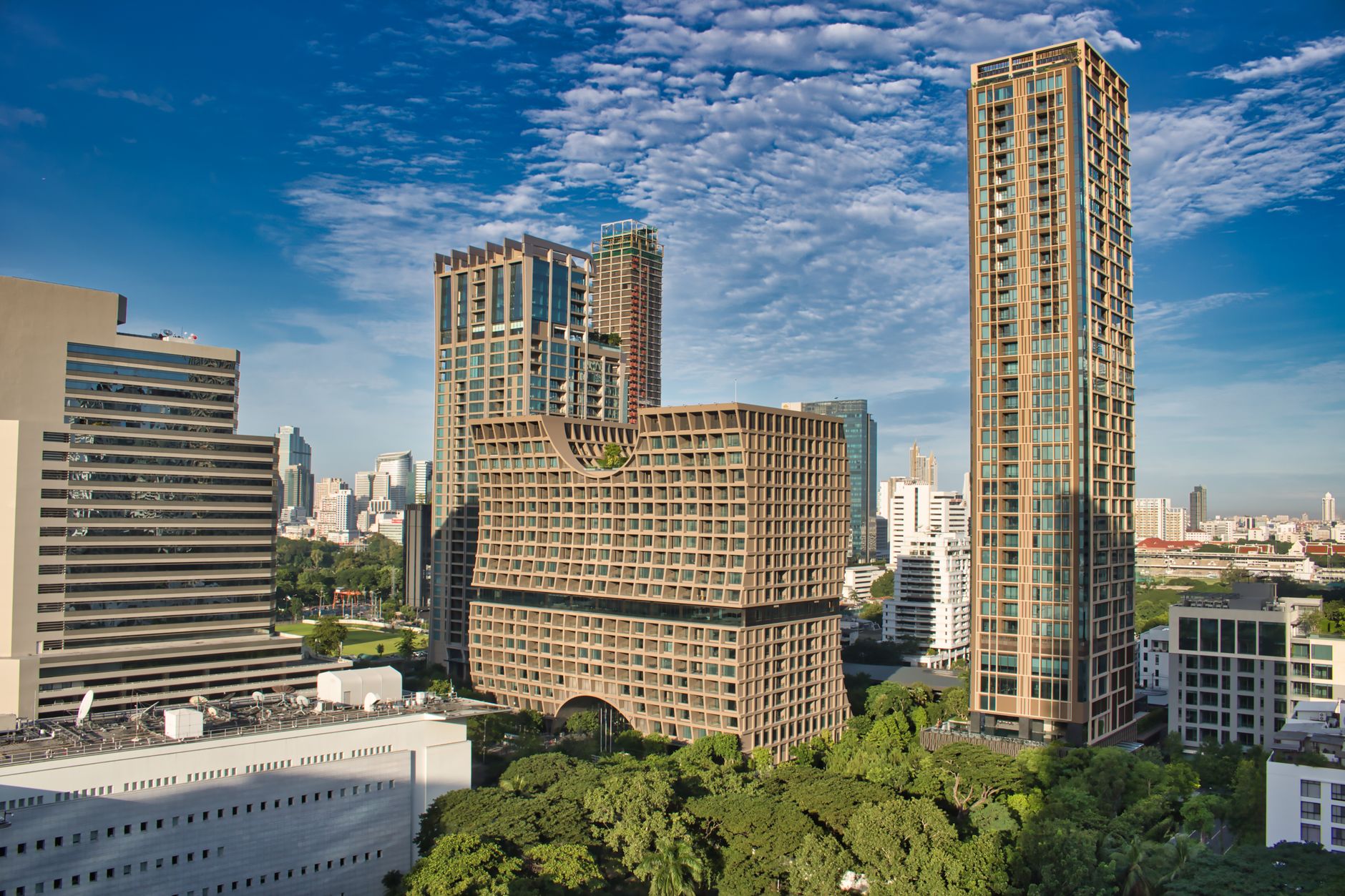
The freehold condo quota in Thailand limits foreign ownership of any single condominium building to 49 percent of total sellable floor area. The remaining 51 percent must be held by Thai nationals or Thai-registered entities. This rule comes directly from the Condominium Act B.E. 2522 (1979) and its subsequent amendments. It is not a guideline or a preference - it is a hard legal ceiling enforced at the Land Department registration desk.
If that 49 percent quota is already full in the building you want to buy, you cannot register freehold title as a foreigner, regardless of what the developer or agent tells you. Your only registered options at that point are a long-term leasehold or Thai-name ownership structures, both of which carry different risk profiles and legal protections.
Understanding how the quota is calculated, tracked, and what happens when it fills up is the most practical piece of legal knowledge you need before reserving any condo unit in Thailand.
Quick answer
- Foreign freehold quota: 49% of total sellable floor area in any one condominium building, set by the Condominium Act
- The quota is measured by floor area (square metres), not by number of units
- A building with 100 units of unequal size can have the 49% quota consumed by far fewer than 49 units if those units are large
- Quota status is checked at the Land Department, not at the developer's sales office - verify it there before you sign
- When the foreign quota is full, a foreign buyer's only registered alternatives are leasehold (typically 30 years) or buying through a Thai company, which carries its own legal risks
- Quota is tracked per building, not per project or per developer - two towers on the same plot can have different quota availability
- As of 2026, Thailand has not passed legislation raising the 49% ceiling despite periodic government proposals
Options and scenarios
Scenario 1: Foreign quota is available - standard freehold purchase
This is the straightforward path. You pay in full, your funds arrive in Thailand as a foreign currency transfer (producing a Foreign Exchange Transaction form, or FET form, which is the Bank of Thailand document proving the money came from abroad), and the Land Department registers your name on the chanote (the highest-grade title deed in Thailand, formally called Nor Sor 4 Jor). You own the unit outright in your personal name. No annual fees beyond juristic person charges, no renewal risk, no landlord.
The FET form is mandatory for foreign freehold registration. Without it, the Land Department will not register the transfer. Each transfer requires its own FET document. Keep every original.
Scenario 2: Foreign quota is full - leasehold as the registered alternative
When the 49% ceiling is reached, developers and resale sellers often offer a registered 30-year leasehold at the Land Department. 'Registered' means the lease appears on the title deed, giving it legal standing against third parties including future land purchasers, within the limits of Thai lease law.
Important: Thai law allows registration of leases up to 30 years. Developers frequently market a '90-year lease' structured as three consecutive 30-year terms. The first 30 years are registered and enforceable. The second and third terms are written into the lease contract as renewal obligations on the lessor (the land owner). However, if the land changes hands - through sale, inheritance, or insolvency - the new owner is not automatically bound by the renewal clauses in the original lease agreement. The renewal promise is a contractual right against the original lessor, not a property right running with the land. This is a critical legal distinction that many buyers miss.
Scenario 3: Mixed-use or non-condominium projects
Some developments are not registered under the Condominium Act at all. They are sold as 'villas', 'resort units', or 'fractional ownership'. Foreign buyers in such projects cannot hold freehold title to land or building. Their options are leasehold or more complex structures. If a project is not registered under the Condominium Act, the 49% quota rule does not apply - but neither does any foreign freehold right. Always ask the developer for the 'Condominium License' (Orb Jor 5 document) to confirm registration status.
Scenario 4: New-build pre-sales and quota allocation
Developers allocate foreign-quota units at the pre-sale stage. Buying early in a popular building often means better quota availability. However, the quota is only formally confirmed at Land Department registration, which happens at completion (often 1-4 years after signing). A developer promising you a foreign-quota unit cannot legally guarantee it if registrations have moved faster than expected. Get the quota status in writing from the developer's juristic person and verify with the Land Department before transfer.
Scenario 5: Resale market and quota transfer
When a foreign-owned unit is sold, the foreign quota slot does not disappear - it transfers to the new foreign buyer if the buyer is also a foreigner. If a Thai national buys a foreign-quota unit, that floor area moves from the foreign allocation to the Thai allocation. The foreign quota percentage in the building then decreases, freeing space for another foreign buyer on a different unit. Tracking this in an active building is complex; always confirm current quota status directly with the Land Department office in the relevant province.
Comparison table
| Parameter | Foreign freehold (within quota) | Registered 30-year leasehold | Thai company ownership |
|---|---|---|---|
| Legal basis | Condominium Act, foreign quota 49% | Civil and Commercial Code, max 30 yr registered | Company law + Land Code |
| Title deed in your name | Yes - chanote with your name | Lease noted on title deed | No - company name only |
| Ownership duration | Indefinite (freehold) | 30 years registered; renewal contractual only | Tied to company structure |
| FET form required | Yes, mandatory | Typically yes for fund remittance | Depends on structure |
| Resale to foreigner | Straightforward if quota available | Lease assignment (check contract terms) | Complex; company share sale or property transfer |
| Inheritance | Passes to heirs under will or Thai succession law | Lease may or may not be transferable by will | Depends on company articles |
| Bank financing (Thai lender) | Very limited for foreigners; most buy cash | Very limited; lenders prefer freehold collateral | Possible but requires Thai-focused lender |
| Renovation rights | Full (subject to juristic rules) | Subject to lease contract terms | Subject to company and lease terms |
| Exit costs | Transfer fee 2%, specific business tax or withholding tax | Typically lower transfer costs; check contract | Company dissolution or property transfer costs |
| Key risk | Quota full = no registration | Renewal not guaranteed against new land owner | Legal and regulatory risk of nominee structures |
Risks and mistakes
Trusting the developer's sales team on quota availability
Developers are motivated to sell. Their sales staff may tell you the foreign quota is available without verifying at the Land Department. Always request a written quota confirmation letter from the building's juristic person (the body corporate managing the condominium) and cross-check at the relevant Provincial Land Office. In Phuket, Chiang Mai, and Bangkok, quota checks can be done in person or through a licensed Thai lawyer.
Misunderstanding the '90-year lease' marketing claim
The phrase '90-year lease' is a marketing description, not a legal term in Thai law. What you are actually buying is a 30-year registered lease plus a contractual promise for two renewal periods. If the land owner changes, the new owner's obligation to honour the renewal depends on whether the renewal clause was properly drafted and whether a Thai court would enforce it against them. As of 2026, Thai courts have not consistently ruled in favour of automatic renewal enforceability against successor land owners. Treat the second and third 30-year periods as uncertain until Thai case law or legislation clarifies the position.
Failing to obtain or retain the FET form
Without the FET form (Foreign Exchange Transaction certificate, issued by a Thai commercial bank upon receiving your inward remittance), you cannot register freehold title and you cannot repatriate the sale proceeds as foreign currency when you sell. Losing this document creates serious problems. Keep the original in a secure location and instruct your lawyer to verify it is attached to the Land Department file at transfer.
Buying in a building with no Condominium Act registration
A development without a Condominium License is legally a residential building, not a registered condominium. Foreigners cannot hold freehold units in it. If you purchase through leasehold in such a building, you have fewer statutory protections than in a registered condominium. Confirm registration status before paying any reservation deposit.
Ignoring the sinking fund and common area maintenance costs
The sinking fund (a one-time capital reserve contribution, typically paid at transfer) and ongoing common area maintenance fees affect your total cost of ownership. They are not negotiable and are set by the juristic person. Check these figures before signing - they vary widely between buildings and affect net yield calculations for investors.
Assuming quota availability at completion in pre-sales
In a popular building where you sign a pre-sale contract two years before completion, other foreign buyers may complete their registrations before you. The quota is consumed in the order of Land Department registration, not the order of contract signing. If the quota fills before your transfer date, the developer may offer you a leasehold instead. Ensure your pre-sale contract specifies what happens - and what you are entitled to - if your unit cannot be registered as foreign freehold at completion.
FAQ
What is the foreign freehold condo quota in Thailand?
The foreign freehold condo quota is the legal limit under the Condominium Act allowing foreign nationals to collectively own a maximum of 49% of the total sellable floor area in any single registered condominium building. The remaining 51% must be held by Thai nationals or Thai-registered entities.
Is the 49% quota measured by number of units or by floor area?
By floor area in square metres. This means the quota can be consumed by fewer than 49 units out of 100 if the foreign-owned units are larger than average. Always ask for the quota status expressed in square metres, not just as a unit count.
How do I verify the foreign quota status of a specific building?
Request a written statement from the building's juristic person (the body corporate) and verify it independently at the Provincial Land Department office in the relevant province. Do not rely solely on the developer's or agent's verbal assurance.
What happens if the foreign quota is full before I complete my purchase?
Your two registered options are: (1) a 30-year registered leasehold, or (2) purchasing through a Thai-registered company, which carries regulatory risk. Neither option gives you freehold title. The terms, risks, and exit costs of each route differ significantly from freehold ownership.
Is a '90-year lease' the same as freehold?
No. A 90-year lease is a marketing term for three consecutive 30-year lease periods. Only the first 30 years are registered at the Land Department and legally binding on all parties. The renewal terms for years 31-60 and 61-90 are contractual obligations on the original lessor. If the land changes ownership, the new owner may challenge those renewal rights. Treat a 90-year lease as a 30-year lease with an option - not as freehold.
Do I need a Foreign Exchange Transaction (FET) form to buy a freehold condo?
Yes. The FET form, issued by a Thai commercial bank when your foreign currency remittance clears, is mandatory for Land Department registration of a foreign freehold unit. It is also required to repatriate your sale proceeds when you sell. Retain the original document securely from the moment you receive it.
Can a foreign buyer inherit a freehold condo in Thailand?
Yes, subject to Thai succession law. A foreign heir can inherit a freehold condominium unit, but only if the building's foreign quota can accommodate the inherited ownership - or if the heir was already a named owner. The heir typically has a defined period to either retain the unit (if quota allows) or sell it. Consult a Thai lawyer to structure your will and estate planning in line with current Land Department practice.
Does the 49% quota apply to every type of residential project in Thailand?
No. The 49% foreign freehold quota applies only to buildings registered under the Condominium Act. Townhouses, villas, and non-registered developments cannot be owned freehold by foreigners regardless of quota. For those property types, foreigners are limited to long-term leasehold or company structures.
Can a developer guarantee me a foreign-quota unit in a pre-sale contract?
A developer can contractually commit to providing a foreign-quota unit. However, the actual quota allocation is confirmed only at Land Department registration. Ensure your pre-sale contract includes clear provisions stating what the developer will do - and what compensation or alternative you receive - if foreign quota is unavailable at transfer.
What questions should I ask before reserving a condo in Thailand?
Before paying any deposit, ask: (1) Is this building registered under the Condominium Act? (2) What is the current foreign quota utilisation in square metres? (3) Has the building's juristic person confirmed this figure in writing recently? (4) What does my pre-sale contract say if the quota is full at transfer? (5) Is the FET form requirement documented in the purchase agreement? (6) What are the sinking fund and maintenance fee amounts? Have a licensed Thai lawyer review the answers and the contract before you sign.
Planning a property purchase in Thailand? Send us your requirements - the THAI.ESTATE team will reply with specific options and a safety checklist for your case.