Editorial
DTV Visa for Remote Workers in Thailand: 2026 Guide
By THAI.ESTATE Editorial Team17 min read
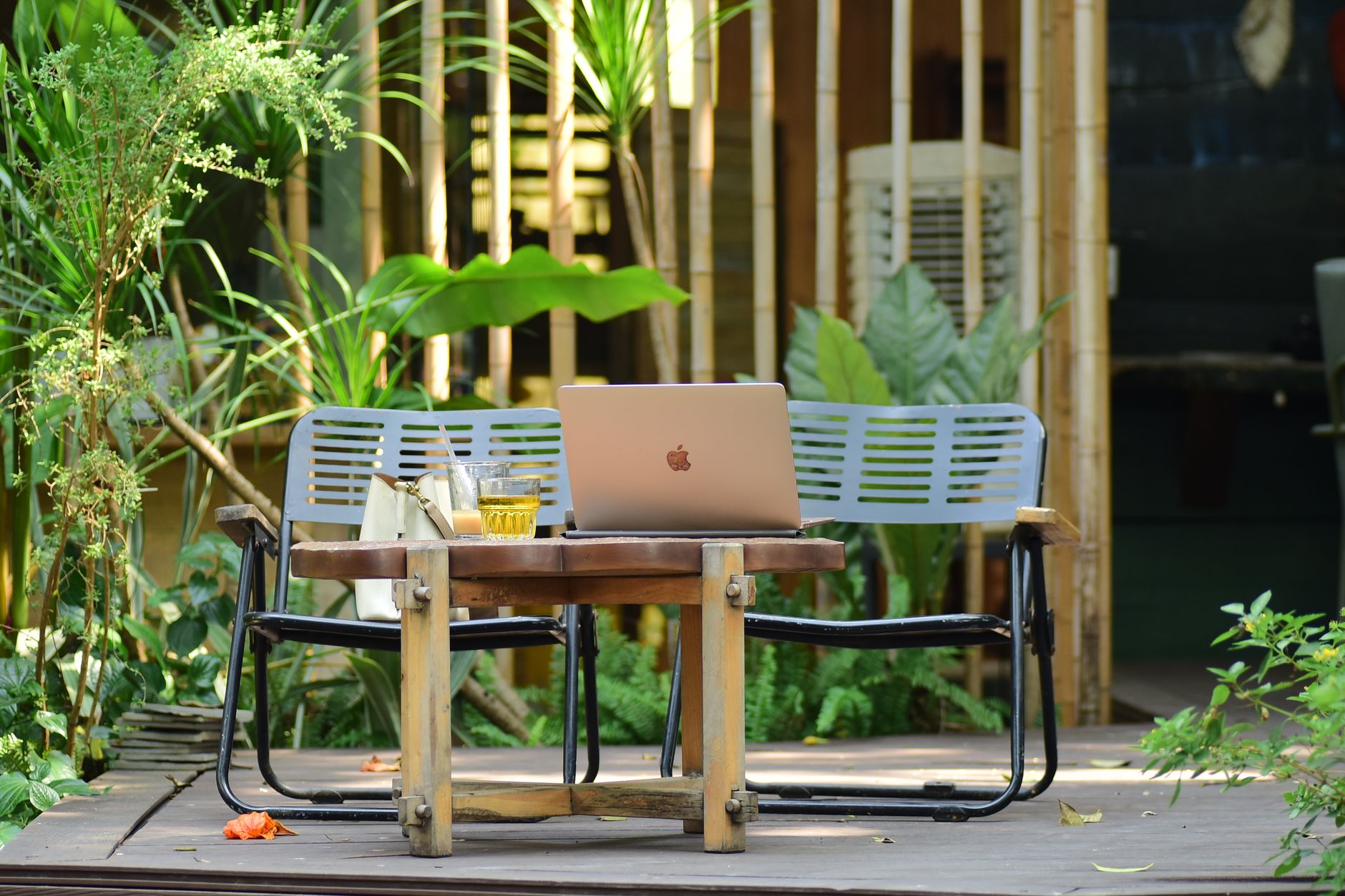
The Destination Thailand Visa (DTV) is Thailand's dedicated long-stay option for remote workers, freelancers, and digital nomads who want to live in the country for up to 180 days per entry. It does not grant residence rights, and it does not give you any advantage when buying property. What it does give you is a legal, renewable framework to live and work remotely from Thailand for up to five years on a single visa.
As of 2026, the DTV remains one of the most practical entry points for internationally employed professionals who want to base themselves in Thailand without committing to a retirement visa or the higher-cost Thailand Privilege (Elite) programme. This guide covers the full picture: eligibility, costs, the property-buying link, cost of living by location, and the honest risks you need to weigh before you relocate.
Quick answer
- The DTV is a multiple-entry visa valid for 5 years, with each permitted stay capped at 180 days per entry
- The official application fee is approximately 10,000 Thai Baht (around USD 270-280 at 2026 rates, indicative)
- You apply at a Thai embassy or consulate outside Thailand; there is no in-country conversion path from a tourist visa
- Property ownership in Thailand does not grant any visa or residence rights under Thai law
- The DTV suits remote workers, freelancers, and digital nomads employed or contracted outside Thailand
- After 180 days you must exit Thailand and re-enter; each new entry resets your 180-day clock for the remainder of the five-year visa period
- You are not permitted to work for a Thai-registered company or Thai clients on a DTV; a work permit is required for that
Options and scenarios
Who qualifies for the DTV visa in Thailand?
The DTV targets people who earn income from outside Thailand. The Thai government introduced the visa in 2024 and it carried forward into 2026 with its original framework. Eligible categories include:
- Remote workers and digital nomads employed by or contracted to foreign companies, with demonstrable income from outside Thailand
- Freelancers with foreign clients and verifiable income streams
- Seasonal residents who want to spend extended periods in Thailand without annual re-application
- Certain other categories such as wellness or training programme participants (check current embassy guidance, as sub-categories can be updated)
You will typically need to show proof of employment or freelance contracts, recent bank statements demonstrating income, and a valid passport with sufficient remaining validity. Requirements are set by the Ministry of Foreign Affairs and individual embassies may ask for slightly different supporting documents. Always confirm the current checklist with the specific embassy where you apply.
How the DTV fits into a property purchase plan
Many international buyers approach a Thai property purchase while already spending time in the country. The DTV gives you up to 180 days on each visit, which is enough time to:
- Research multiple areas (Phuket, Koh Samui, Chiang Mai, Bangkok) in person
- Open a Thai bank account (needed to receive funds and pay maintenance fees)
- Attend due diligence meetings, sign contracts, and be present at the Land Office on transfer day
- Live in the unit after purchase and understand running costs before committing further
Importantly, owning a condominium does not extend your permitted stay, does not convert your DTV into residency, and does not replace the need to exit and re-enter. Thai law under the Condominium Act B.E. 2522 grants foreigners ownership of a freehold unit (within the 49% foreign quota for the building) but grants zero immigration privileges.
Comparing the DTV to other long-stay visa options
The DTV is not the only option for remote workers. Three other routes are commonly used:
LTR Visa (Long-Term Resident Visa): Introduced in 2022, the LTR targets high-income earners, retirees with substantial assets, and remote workers earning at least USD 80,000 per year (per official BOI criteria as published; verify current thresholds). It offers a 10-year renewable visa and a work permit for remote work ('Work-from-Thailand Privilege'). It suits high earners who want near-permanent stability. The income and asset thresholds are significantly higher than the DTV.
Thailand Privilege (Elite) Visa: A paid membership programme offering 5-year or 20-year stays (depending on the package chosen). Indicative 2026 costs range from approximately THB 900,000 to THB 2,500,000 depending on the package tier, per official Thailand Privilege programme pricing (verify directly for current figures). It suits buyers who want a frictionless long-stay option and can afford the upfront fee. It includes no income requirements but also grants no work authorisation for Thai entities.
Non-Immigrant O-A (Retirement Visa): For people aged 50 and over. Requires either THB 800,000 in a Thai bank account or proof of a pension/income of THB 65,000 per month, or a combination meeting a set threshold (per Thai immigration rules; confirm current figures). It suits retirees who do not need to work remotely.
Living costs by location in 2026: what to budget
All figures below are market estimates for 2026 based on widely reported data. Your actual costs depend on lifestyle, accommodation standard, and exchange rates.
Bangkok (Sukhumvit, Silom, Ari districts):
- Renting a 1-bedroom condo in a mid-range building: THB 18,000-35,000 per month (approximately USD 490-950)
- Co-working space membership: THB 3,000-6,000 per month
- Health insurance (international policy, 35-45 year old, indicative): USD 150-300 per month
- Groceries and eating out, moderate lifestyle: THB 15,000-25,000 per month
- Total estimated monthly budget, mid-range: USD 1,800-3,200
Bangkok has the best public transport (BTS Skytrain and MRT), the widest international school choice, and the most reliable high-speed internet of any Thai city. It is the practical base for buyers who travel frequently for work.
Phuket (Laguna/Bang Tao, Rawai, Nai Harn, Patong):
- Renting a 1-bedroom condo or villa in Bang Tao/Laguna area: THB 30,000-70,000 per month depending on season and standard
- The west coast (Bang Tao, Surin, Kamala) has the highest concentration of international amenities and international schools
- Rawai and Nai Harn in the south offer a quieter lifestyle at somewhat lower rental prices
- Wet season (May to October) brings heavy rain, especially August and September; many short-term tenants leave, which means rental prices soften and negotiation is easier
- Total estimated monthly budget, mid-range: USD 2,200-4,000
Phuket has no BTS or metro. You need a car or motorbike. International driving licence recognition in Thailand is limited; a Thai driving licence is the practical requirement for staying long-term (see below).
Koh Samui (Bophut, Chaweng, Maenam, Lamai):
- 1-bedroom condo rental, mid-range: THB 20,000-45,000 per month
- Koh Samui is an island with limited public transport; a motorbike or car is essential
- Internet connectivity has improved significantly but is less consistent than Bangkok or Phuket town
- International school options are fewer than Phuket or Bangkok; families with children in secondary school often find the choice limited
- Wet season on Samui runs later than Phuket, peaking October to December (Gulf of Thailand coast pattern)
- Total estimated monthly budget, mid-range: USD 1,900-3,500
Renting before buying: why it matters more for relocators
If you plan to live in a property rather than rent it out as an investment, the calculation changes significantly. A unit you occupy generates no rental income. The carrying cost (common area fees, sinking fund contribution, utilities, management fees if any) is pure expenditure.
Sinking fund: a one-time payment made at purchase, held by the juristic person (the legal entity that manages the condominium building) to cover major future repairs. Typically THB 400-700 per square metre, paid once.
Common area fees (CAM fees): recurring monthly charges for building maintenance, security, pool, gym. Typically THB 40-80 per square metre per month for mid-range buildings.
Spending 3-6 months renting in your target area before buying lets you verify: internet speed for remote work, noise levels, distance to co-working spaces or a home office setup, and the actual condition of the building's communal areas. You will also experience at least part of the wet season, which many buyers underestimate.
Opening a Thai bank account as a DTV holder
A Thai bank account is not legally mandatory to buy a condo, but it is practically essential. You need a Thai account to:
- Receive your Foreign Exchange Transaction (FET) certificate. An FET certificate (sometimes called a Thor Tor 3 form) is the bank document proving that foreign currency was converted into Thai Baht inside Thailand. You must present it at the Land Office to register a foreign-owned condo unit. Without it, the Land Office will not complete the transfer to a foreign buyer.
- Pay monthly common area fees and utilities
- Pay property-related taxes and transfer fees
As of 2026, most major Thai banks (Bangkok Bank, Kasikorn Bank, SCB) accept DTV visa holders to open a savings account with a valid visa, passport, and proof of address. Some branches are more experienced with foreign customers than others. The Bangkok Bank branch on Silom Road and the Kasikorn Bank branches in tourist-heavy areas of Phuket are commonly cited by foreign residents as practical choices, though you should confirm current account-opening requirements directly with the bank.
Healthcare and international health insurance
Thailand has good private hospital infrastructure in major cities and tourist areas. Bangkok Hospital, Bumrungrad International (Bangkok), and Samitivej are well-known private hospital networks. However, public health insurance does not automatically cover DTV holders.
You will need a private international health insurance policy. Indicative annual premiums for a 40-year-old with a USD 0 deductible international plan covering Southeast Asia range from USD 2,000-5,000 per year (market estimates, 2026). Premiums vary significantly by age, pre-existing conditions, and coverage scope. Compare policies specifically designed for long-stay expats rather than short-term travel insurance.
International schools for families
If you are relocating with school-age children, school availability should be a primary location filter, not an afterthought.
- Bangkok has the widest choice: over 50 international schools, with British, American, IB, and other curricula. Annual fees typically range from THB 400,000 to THB 900,000 per child per year (indicative 2026 market estimates).
- Phuket has a growing cluster of international schools, particularly in the Bang Tao and Laguna area. The choice is more limited than Bangkok but adequate for primary and lower secondary.
- Koh Samui has a small number of international schools; secondary-level provision is limited. Families with older children often find this a constraint.
Getting a Thai driving licence
An international driving permit is not a permanent solution for long-term residents. Thailand does not recognise all international licences for stays beyond a tourist-length period. If you plan to drive regularly, apply for a Thai driving licence at your local Land Transport Office (DLT). You will need: your passport, DTV visa, proof of Thai address, a medical certificate from a Thai clinic, and completion of a basic reaction and colour-blindness test. The process takes roughly one full day at the DLT office.
Managing the property when you are abroad
The DTV is a multiple-entry visa, not a residence permit. You will leave Thailand and return. If you own a condo and leave for extended periods, you have two practical choices:
- Leave it empty. You still pay monthly common area fees to the juristic person. You need someone local (a property manager or trusted contact) to check the unit periodically, manage water and electricity bills, and respond if the building has a maintenance issue inside your unit.
- Short-term rental while away. This generates income but changes the financial equation. If you plan to rent your unit via short-term platforms, check: (a) whether the building's juristic person permits short-term rentals (many do not, particularly in owner-occupier-heavy buildings); (b) Thailand's regulations on short-term rental operations, which as of 2026 remain an evolving area (the Hotel Act B.E. 2547 applies to some short-term rental operations and enforcement has increased in certain areas); and (c) tax implications - rental income from Thai property is subject to Thai withholding tax and income tax rules regardless of your tax residency.
A professional property management company charges typically 15-25% of gross rental income in Phuket and Koh Samui, or a fixed monthly fee for empty-unit oversight.
Comparison table
| Parameter | DTV Visa | LTR Visa (Remote Worker category) | Thailand Privilege Visa |
|---|---|---|---|
| Target user | Remote workers, freelancers, digital nomads | High-income remote workers (USD 80k+ per year income, indicative) | Buyers wanting long-stay with no income requirement |
| Validity | 5 years | 10 years (renewable) | 5 or 20 years depending on package |
| Stay per entry | 180 days | Up to 1 year per stay (visa tied to long-stay permission) | Continuous stay allowed |
| Application fee | ~THB 10,000 (approx. USD 270-280) | USD 50 government fee plus BOI process | THB 900,000-2,500,000 depending on package |
| Income or asset requirement | Proof of foreign income (no published minimum threshold as of 2026 - confirm with embassy) | USD 80,000/year income or USD 500,000 assets (indicative BOI criteria; verify) | None |
| Work permit for remote work | Not included; you may work remotely for foreign employers but cannot work for Thai entities | Included ('Work-from-Thailand Privilege') | Not included |
| Property ownership benefit | None | None | None |
| Practical best for | Digital nomads and freelancers wanting affordability and flexibility | High-earning professionals wanting near-permanent stability | Buyers who want zero income requirement and frictionless entry |
Risks and mistakes
Assuming property ownership affects your visa status. It does not. Buying a condo in Phuket or Bangkok does not extend your stay, change your visa category, or grant any residence right. Thai immigration law is entirely separate from property ownership law.
Overstaying your 180-day permitted stay. Thai immigration enforces overstay penalties. A fine of THB 500 per day applies (up to a maximum), and longer overstays can result in a ban on re-entering Thailand. Set a calendar reminder well before your 180-day period expires.
Working for Thai clients or employers on a DTV. This is not permitted. The DTV allows you to work remotely for foreign employers. Providing services to Thai-registered businesses or individuals in exchange for payment requires a work permit. The consequence of working without a permit in Thailand is deportation and possible blacklisting.
Not verifying the building's foreign quota before buying. Under the Condominium Act, foreign nationals can own a maximum of 49% of the total floor area of any condominium building. If a building's foreign quota is full when you try to buy, you cannot take freehold title as a foreigner, regardless of how long you have lived there or how much you want the unit.
Skipping the FET certificate process. Foreign funds used to purchase a condo must arrive in Thailand in foreign currency and be converted at a Thai bank. The bank issues the FET certificate as a record of this transfer. Without it, the Land Office will not register the unit in your name. Do not transfer funds directly in Thai Baht from abroad if you intend to register foreign ownership.
Underestimating the wet season impact on livability. In Phuket, August and September bring sustained heavy rain and some flooding in low-lying areas. In Koh Samui, October to December is the wet peak. If you are buying to live in a property and plan to be there year-round, inspect the unit and its surroundings during wet season, not just in the high season.
Relying on agents for visa advice. Real estate agents in Thailand are not licensed immigration lawyers. Visa requirements change. Always verify current DTV requirements with the Thai embassy in your country of application or the official Ministry of Foreign Affairs of Thailand website.
Signing a reservation agreement before checking the developer's track record. Off-plan purchases carry developer risk. If you are buying to live in the unit, a delay of 12-24 months affects your relocation plan directly. Check whether the developer has completed previous projects on schedule before paying any reservation deposit.
FAQ
Can I live in Thailand permanently if I buy a condo?
No. Buying a condominium in Thailand does not grant any form of permanent residence or long-term visa. You must hold a valid visa at all times. The DTV allows stays of up to 180 days per entry over a 5-year period. For longer continuity, you would need a different visa category such as the LTR or Thailand Privilege.
What is the DTV visa and who is it for?
The Destination Thailand Visa (DTV) is a 5-year multiple-entry visa introduced in 2024 and continuing in 2026. It is designed for remote workers, freelancers, and digital nomads who earn their income from outside Thailand. Each entry permits a stay of up to 180 days. It is not a work visa for working with Thai employers.
How much money do I need to show for a DTV application?
As of 2026, the Thai Ministry of Foreign Affairs has not published a fixed minimum income or savings threshold for the DTV in the way the LTR visa has published criteria. In practice, embassies ask for recent bank statements and proof of employment or freelance contracts demonstrating stable foreign income. Confirm the specific document list with the Thai embassy where you apply, as requirements can differ by location.
Can I rent out my Thai condo while I am abroad on a DTV?
You can rent out a condo you own, but check three things first: whether the building's juristic person (the building management entity) permits short-term or long-term rentals; whether the Hotel Act or other regulations apply to your intended rental model; and what Thai tax obligations apply to your rental income. Long-term rentals (12 months or more) are generally less regulated than short-term rentals.
Do I need a Thai bank account to buy a condo as a DTV holder?
You are not legally required to have a Thai bank account to buy a condo, but you do need to obtain a Foreign Exchange Transaction (FET) certificate from a Thai bank to register the unit at the Land Office in your name as a foreign buyer. In practice, opening a Thai bank account and routing your purchase funds through it is the standard way to obtain this document.
What happens to my DTV if I leave Thailand for a long period?
The DTV remains valid for its 5-year period regardless of how long you spend outside Thailand. When you re-enter, you receive a new 180-day permitted stay. There is no minimum presence requirement. This makes it practical for buyers who split time between Thailand and their home country.
Is the DTV better than a retirement visa for a 50-year-old remote worker?
It depends on your situation. The Non-Immigrant O-A (retirement visa) requires you to be 50 or older and meet a financial threshold (THB 800,000 in a Thai bank or qualifying monthly income). It does not authorise remote work for foreign employers in an explicit way, though enforcement in practice varies. The DTV explicitly covers remote work and has no age requirement. If you are 50 or older and earn income remotely, both options may be viable; the DTV is generally the more straightforward path if you meet the income documentation requirement.
What are the best areas in Thailand for remote workers in 2026?
Bangkok (particularly Sukhumvit, Ari, and Silom) offers the most reliable internet, the best co-working infrastructure, and the widest range of international amenities. Phuket's Bang Tao and Phuket Town areas have strong co-working options and good connectivity. Chiang Mai remains popular for its lower cost of living and established digital nomad community, though it is not covered in depth in this guide. Koh Samui suits lifestyle-focused remote workers but has less co-working infrastructure.
Can I get a Thai driving licence on a DTV visa?
Yes. Thai Land Transport Offices (DLT) issue driving licences to DTV holders who can show a valid visa, passport, and proof of Thai address. You will also need a medical certificate from a local clinic and pass basic vision and reaction tests. The licence is typically issued for 1 year initially for non-permanent residents, after which you may renew.
How much does it cost to live in Phuket as a remote worker in 2026?
Market estimates for a comfortable mid-range lifestyle in the Bang Tao or Rawai areas of Phuket in 2026: rent for a 1-bedroom condo at THB 30,000-50,000 per month, health insurance at USD 150-300 per month, food and transport at THB 20,000-35,000 per month, and co-working or home internet at THB 2,000-4,000 per month. A realistic total is USD 2,200-3,800 per month depending on lifestyle and rental standard. These are estimates only.
Planning a property purchase in Thailand? Send us your requirements - the THAI.ESTATE team will reply with specific options and a safety checklist for your case.