Editorial
Developer Default in Thailand: What Happens to Your Money
By THAI.ESTATE Editorial Team14 min read
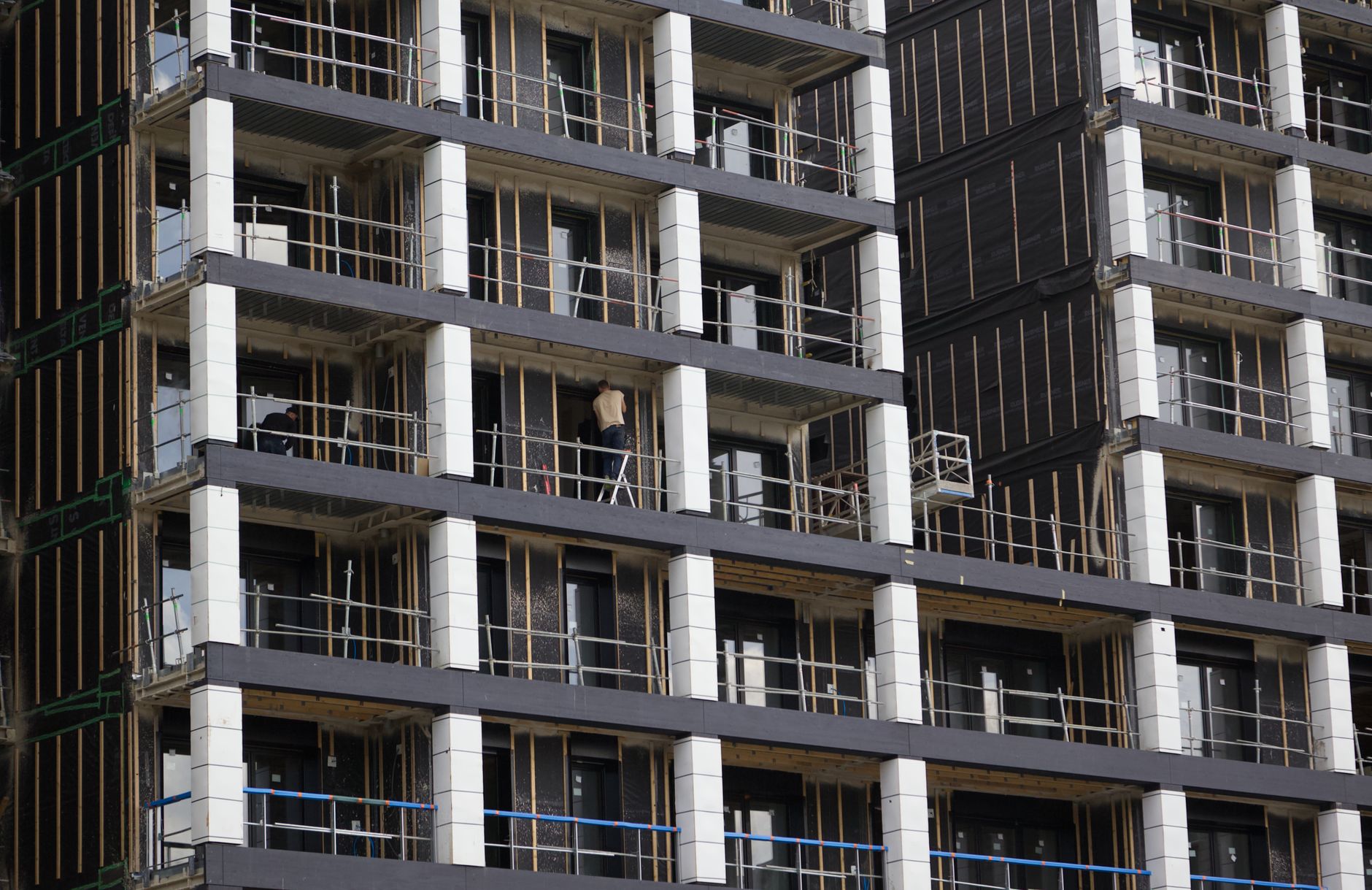
If a Thai property developer defaults mid-build, you have limited automatic legal protection. Thailand has no government-backed deposit insurance scheme for property buyers and no mandatory escrow system for foreign purchasers. Your recovery depends almost entirely on what your sale and purchase agreement (SPA) says, how far construction has progressed, and whether the developer still has assets to claim against.
This guide explains the realistic sequence of events, your contractual options, and the practical steps that give you the best chance of recovering funds or exiting with minimum loss.
Quick answer
- No escrow, no deposit insurance. Thailand does not require developers to hold buyer payments in a protected account. Your money enters the developer's operating cash flow from the moment you pay.
- Your SPA is your main protection. Clauses covering completion guarantees, delay penalties, and refund conditions determine what you can legally demand.
- Default scenarios vary widely. A developer can stop construction, become insolvent, or simply miss milestones without formally entering bankruptcy. Each scenario triggers different remedies.
- Buyers become unsecured creditors in a formal insolvency. Secured lenders (banks with construction loans) rank ahead of you in any asset distribution.
- Off-plan discounts are real but priced against this risk. As of 2026, indicative off-plan discounts in major Thai markets run 8-15% below comparable completed stock, per market estimates.
- Early-stage payments carry the highest exposure. A reservation fee plus a contract deposit can represent 20-30% of the purchase price before a single wall is built.
- Legal action is possible but slow. Thai civil court proceedings for contract disputes typically run 2-4 years at first instance.
Options and scenarios
Scenario 1: Developer misses construction milestones but keeps building
This is the most common outcome. Construction continues but falls behind the scheduled timeline. Your SPA should contain a delay penalty clause, typically worded as a daily or monthly penalty payable by the developer for each day beyond the agreed handover date.
In practice, many Thai SPAs cap these penalties at 0.01% of the purchase price per day, with a total cap of 10-20% of the contract value. On a THB 5 million unit, that is THB 500 per day, or roughly THB 15,000 per month. That number rarely compensates for the opportunity cost of tied-up capital, but it is a negotiated right you can enforce without going to court if the developer is cooperative.
Your practical options here are:
- Wait and claim the penalty at handover.
- Issue a formal notice of delay (through a Thai lawyer), which starts the clock on your legal remedies if the developer does not respond.
- Negotiate a voluntary exit - some developers prefer refunding one buyer rather than facing a formal claim.
Scenario 2: Developer halts construction but has not declared insolvency
Construction stops. Site activity goes silent. The developer is still a legally operating company but has run out of project financing. This is the scenario where contract language matters most.
A well-drafted SPA will define a 'material breach' trigger, typically construction halting for 90-180 consecutive days without a valid force majeure reason. Once that trigger is met, you have the right to serve a termination notice and demand a full refund of all instalments paid.
The problem: the right to a refund and actually receiving it are different things. If the developer has no liquid assets, a letter demanding repayment produces nothing. Your next step is a civil lawsuit to obtain a court judgment, then enforcement against the developer's assets (land, completed units, bank accounts). This process takes time and legal fees.
Key steps in this scenario:
- Engage a Thai property lawyer immediately to review the SPA and advise on the correct notice procedure.
- Register a claim with the Land Department or court to flag the dispute against the title (chanote - the highest-grade land title in Thailand) if the underlying land is involved.
- Join or form a buyer group. Multiple buyers filing collectively have more leverage and share legal costs.
- File a criminal complaint if evidence of fraudulent intent exists. Thai law provides criminal remedies for fraud in property sales, which can accelerate asset freezes.
Scenario 3: Developer enters formal insolvency (bankruptcy)
This is the hardest recovery situation. Under Thai bankruptcy law, when a company is declared insolvent by the court, an official receiver takes control of all assets. Creditors are ranked in a fixed order:
- Secured creditors (typically banks holding a mortgage over the project land)
- Preferential creditors (employee wages, tax authorities)
- Unsecured creditors - which includes most off-plan buyers
As an unsecured creditor, you may receive a fraction of what you paid, paid over years, and only after secured debts are cleared. Recovery rates in Thai developer insolvencies vary widely, but per market estimates, unsecured creditors in large residential project failures have recovered 10-40% of outstanding claims in past cases.
Your formal action:
- File a proof of debt with the official receiver within the court-set deadline (usually 2 months from the date insolvency is declared).
- Provide all payment receipts, the SPA, and correspondence as evidence of your claim amount.
- Monitor court announcements. The Thai Bankruptcy Court publishes notices; your lawyer should track these.
Scenario 4: Selling your contract before completion (assignment)
If the project is still progressing but you want to exit early, assignment - transferring your contractual right to purchase to a new buyer - is an option in some SPAs. This lets you exit without waiting for a default.
Key assignment facts:
- Not all SPAs allow assignment. Many restrict it or require developer written consent.
- Developers often charge an assignment fee, typically 1-3% of the contract value.
- Assignment transfers your risk to the new buyer. If the developer later defaults, the new buyer holds the SPA and the exposure.
- Gains from assignment (selling your contract at a higher price than you paid) may attract Thai personal income tax. Confirm this with a Thai tax advisor before signing.
- Assignment works best in projects where construction is visibly advancing and the developer has a strong track record, because new buyers will do their own due diligence.
Scenario 5: Project rescued by a new developer
In larger Thai markets (Bangkok, Phuket), a stalled project is sometimes acquired by a second developer who completes the build and honours the original sale contracts, sometimes with modified terms. This is not guaranteed and depends on the commercial attractiveness of the site. Buyers in this scenario may face:
- Revised handover dates, often 12-24 months beyond the original schedule.
- Minor specification changes if materials or fittings were not procured.
- New SPAs that supersede the original, sometimes removing or capping delay penalties accrued under the old agreement.
You are not obliged to accept a new SPA if the terms are worse. However, refusing and insisting on the original refund right may simply return you to Scenario 2 or 3 if the original developer is insolvent.
Comparison table
| Factor | Delay - Still Building | Halt - Developer Solvent | Formal Insolvency | Assignment Exit |
|---|---|---|---|---|
| Legal status of developer | Operating | Operating | Court-managed | Operating |
| Your primary remedy | Delay penalty clause | SPA termination + refund demand | Proof of debt with receiver | Transfer contract to new buyer |
| Typical recovery timeline | At handover | 1-3 years (negotiated or court) | 3-7 years (court process) | Weeks to months |
| Indicative recovery rate | 100% + penalty | 50-100% (depends on assets) | 10-40% (unsecured creditor) | Market-dependent |
| Legal costs (indicative) | Low to moderate | Moderate (THB 50k-200k+) | Moderate to high | Low to moderate |
| Buyer action required | Monitor and document | Formal notice, then lawsuit if needed | File proof of debt | Find assignee, get developer consent |
| Risk of losing all funds | Very low | Low to moderate | High | Very low |
Off-plan discount vs. risk: the math
To decide whether an off-plan purchase is worth the default risk, you need to quantify both sides.
Example (indicative, as of 2026, Bangkok mid-market condominium):
- Completed resale unit: THB 6,000,000
- Comparable off-plan unit (same location, similar spec): THB 5,200,000
- Nominal discount: THB 800,000 (approximately 13%)
- Typical payment exposure at risk before handover: 25-30% paid at reservation and contract signing = THB 1,300,000 to THB 1,560,000 before the first wall is up
- If the developer defaults and you recover 30% as an unsecured creditor: You lose roughly THB 910,000 to THB 1,090,000 on those early payments alone - more than the entire discount
The discount only holds its value if:
- The developer completes the project on time.
- Your SPA has enforceable penalty and refund clauses.
- You are buying from a developer with a verifiable completion track record and documented project financing.
The discount is not a buffer against default risk. It is compensation for the time value of waiting and the construction risk you accept.
Risks and mistakes
Mistake 1: Paying a large reservation fee before reviewing the SPA. Reservation fees in Thailand are often described as 'refundable' verbally but non-refundable in the written agreement. Pay only what you can afford to lose at the reservation stage, typically THB 50,000-200,000, and make refundability conditions explicit in writing before you pay.
Mistake 2: Accepting a front-loaded payment schedule. Some developers structure schedules that collect 50-60% of the purchase price before construction reaches mid-point. A back-loaded schedule - where larger instalments are tied to visible construction milestones (foundation complete, structure complete, fit-out complete, handover) - reduces your exposure if construction stalls.
Mistake 3: Not verifying the chanote title. The chanote is the highest-grade land title in Thailand. Confirm that the project land carries a chanote (not a lower-grade title such as Nor Sor 3 or Sor Kor 1) and that there are no registered encumbrances or existing mortgages against it that would rank ahead of buyer claims in a dispute.
Mistake 4: Assuming the developer's marketing reputation equals financial stability. A developer can have a strong sales office, a well-produced website, and multiple completed past projects while the current project is under-financed. Ask specifically for evidence of project-level financing: a construction loan from a recognised Thai bank, or documented equity funding. Banks conduct their own developer due diligence, so a project with confirmed bank financing is a positive signal.
Mistake 5: Skipping independent legal review. Many buyers sign developer-prepared SPAs without independent review. Developer SPAs routinely favour the developer on delay penalties, force majeure definitions, and refund conditions. A Thai property lawyer can identify and negotiate these clauses before you sign. Legal review typically costs THB 15,000-50,000 - a small fraction of the purchase price.
Mistake 6: Missing the filing deadline in insolvency. If a developer enters formal insolvency, creditor filing deadlines are strict. Missing the court-set window (often 2 months) can result in your claim being excluded from distributions entirely.
Mistake 7: Believing verbal assurances about project completion. In any dispute, only written contractual terms are enforceable. Verbal promises, marketing materials, and projected timelines shown in sales presentations carry no legal weight in a Thai court.
FAQ
What is the first thing to do if my Thai developer stops construction?
Contact a Thai property lawyer immediately. Before any public dispute, your lawyer should send a formal written notice to the developer requesting a written update on construction status and a revised timeline. This notice starts the legal record and may be needed as evidence later. Do not rely on emails to the sales team - formal notice must follow the procedure in your SPA, which often requires registered mail to a specific address.
Can I get a full refund if the developer defaults in Thailand?
A full refund is legally possible if your SPA contains a clear termination and refund clause triggered by developer default. Whether you actually receive the money depends on the developer's financial position. If the developer has liquid assets or project revenue from other unit sales, a negotiated refund is achievable. If the developer is insolvent, a full refund is unlikely without lengthy court proceedings.
Do buyers have priority over banks in a Thai developer insolvency?
No. Banks holding a construction mortgage over the project land are secured creditors and rank ahead of unsecured buyers. This is one of the most important structural risks in Thai off-plan property. Always ask whether the project land carries an existing bank mortgage and, if so, whether a partial discharge or buyer protection mechanism is in place at the time your unit transfers title.
What is a completion guarantee and does my SPA include one?
A completion guarantee is a contractual commitment by the developer (or a guarantor, sometimes a related company or financial institution) to complete the project to a defined specification by a defined date. Not all Thai SPAs include a meaningful completion guarantee. Some include language about 'best efforts' or 'expected' completion that is not legally binding. Look for a clause that specifies a hard completion date, consequences for missing it, and your right to terminate and receive a refund if the date is missed by more than an agreed period.
What does 'force majeure' mean in a Thai property SPA?
Force majeure refers to events outside the developer's control - floods, earthquakes, government-ordered shutdowns - that legally excuse a delay without triggering penalty clauses. In Thailand, force majeure definitions vary widely between contracts. Some developers include very broad language that could cover ordinary supply-chain delays or labour shortages. Before signing, check that the force majeure clause is narrow and specific, and that it does not suspend your right to terminate if the delay extends beyond a defined period (12-18 months is a reasonable limit to negotiate).
Is it possible to sell my off-plan contract before completion?
Yes, if your SPA permits assignment. Check the contract for an assignment clause. If assignment is allowed, you can transfer your purchase rights to a new buyer, often for a price above what you paid if the project has progressed and market values have risen. The developer usually charges an assignment fee (typically 1-3% of the contract value) and must provide written consent. If the SPA prohibits assignment, selling before completion requires the developer to cancel your contract and issue a new one to the buyer, which puts you back to negotiating a refund.
How long does a Thai court case against a developer take?
A civil claim at first instance in the Thai court system typically takes 2-4 years to reach a judgment. If either party appeals, add another 1-3 years. Enforcement of a judgment (collecting the money or seizing assets) is a separate process with its own timeline. This is why joining a buyer group, sharing legal costs, and attempting negotiated settlement first are important practical steps before committing to litigation.
What records should I keep from the start of an off-plan purchase?
Keep originals or certified copies of: the signed SPA and all amendments, every payment receipt with the date and amount, all written correspondence with the developer and sales agent, any marketing materials or specification documents referenced in the SPA, and records of your foreign currency transfer (FET - Foreign Exchange Transaction form, a bank document confirming that foreign currency was converted to Thai baht, required for repatriating funds when you sell). Store these securely outside Thailand as well.
What is an FET form and why does it matter in a dispute?
An FET (Foreign Exchange Transaction) form is a document issued by a Thai bank confirming that you transferred foreign currency into Thailand and converted it to Thai baht. For foreign buyers, this document is essential for two reasons: it is required to repatriate sale proceeds when you eventually sell, and in a dispute or refund situation, it proves the source and amount of your payments in a format recognised by Thai financial authorities.
Are there any government protections for off-plan buyers in Thailand?
As of 2026, there is no government-mandated buyer protection fund or deposit insurance scheme for residential property buyers in Thailand. The Consumer Protection Act gives buyers some general rights against deceptive trade practices, and the Civil and Commercial Code governs contract enforcement, but neither provides automatic financial protection if a developer defaults. Legislative reform has been discussed in Thai policy circles for several years, but no mandatory developer escrow or protection fund law is in force as of 2026.
Planning a property purchase in Thailand? Send us your requirements - the THAI.ESTATE team will reply with specific options and a safety checklist for your case.