Editorial
Chon Buri and EEC Condos: Why Foreign Buyers Look Beyond Pattaya
By THAI.ESTATE Editorial Team14 min read
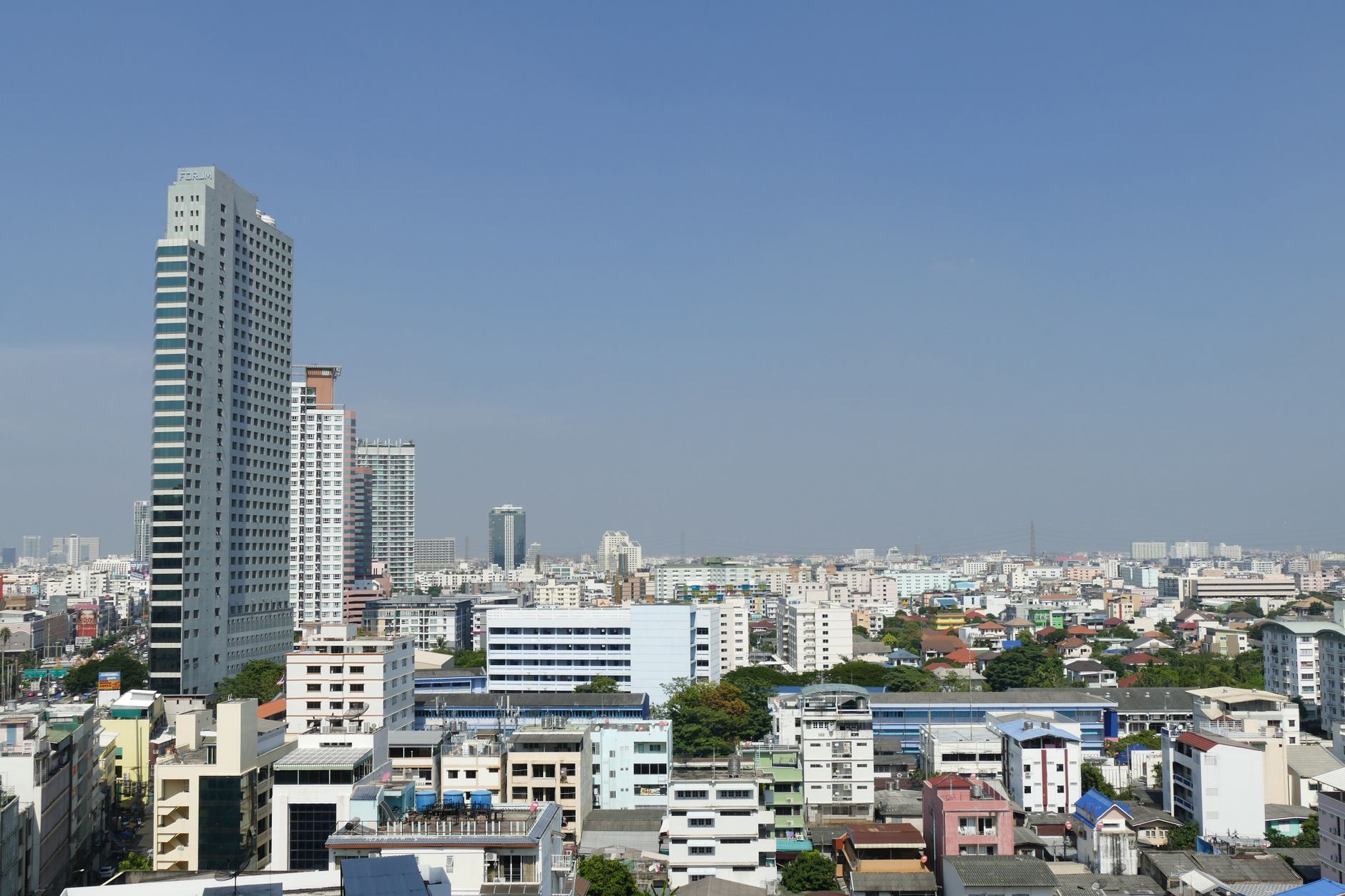
Foreign buyers searching for Thai condominium investments in 2026 are increasingly looking past Pattaya's beachfront strip. Chon Buri province - anchored by the Eastern Economic Corridor (EEC) - recorded a 74.5% year-on-year surge in condominium sales in Q2 2026, per Thailand LocalPlus, September 2026. That number is not a one-quarter anomaly. It reflects a structural shift driven by student demand, corporate relocation, and a policy framework that the World Bank now formally endorses.
The honest context: Pattaya beach-front condos remain liquid and popular, but supply in the central beach zone is dense and yield compression is real. Chon Buri's inland and southern sub-markets offer a different profile - lower entry prices, diversified tenant types, and EEC infrastructure spending that will run through the late 2020s. This guide maps the micro-zones, compares them honestly, and tells you who should buy where.
Quick answer
- 74.5% surge in Chon Buri condo sales, Q2 2026 year-on-year, driven first by student buyers and then by industrial-worker rental demand (per Thailand LocalPlus, September 2026)
- Chon Buri's total residential sales rose 39% in the same period, signalling broad-based demand, not a single-segment spike
- The World Bank (September 2026) identified Chonburi as a strategic secondary city in Thailand's urban network, alongside Chiang Mai, Khon Kaen, and Phuket
- Key sub-markets for foreign buyers: Nakhon Jomtien, the Bang Na corridor, and zones adjacent to EEC industrial estates
- Indicative entry prices in non-beachfront Chon Buri: 45,000-75,000 THB per sq m (market estimates, as of 2026) versus 90,000-150,000+ THB per sq m on Pattaya's central beachfront
- Corporate rental contracts from EEC companies seeking 30-40 units per company create bulk-tenancy opportunities for investor-owners (per Thailand LocalPlus, September 2026)
- Mortgage rejection rates in Thailand run near 40% for units in the 1.5-3 million THB range (per Origin Property data cited in Thailand LocalPlus, September 2026), so buy-to-let investors who pay cash or qualify abroad have a comparative advantage
Options and scenarios
Is Nakhon Jomtien good for investment?
Nakhon Jomtien sits immediately south of Pattaya's main beach zone, separated by a quieter bay. The area registered 12% sales growth in Q2 2026 driven specifically by foreign buyers, per Thailand LocalPlus. It offers seafront and near-sea condominiums at prices below Pattaya central, without the nightlife corridor that some buyers and most long-stay families want to avoid.
Your tenant mix in Nakhon Jomtien: European and East Asian retirees, remote-working professionals, and mid-term tourists who book four to twelve weeks. Short-term holiday lets are possible but less dominant than in Walking Street-adjacent buildings. Occupancy seasonality is real - expect lower occupancy from May to October if you target short-stay tourists, but corporate and retiree tenants tend to sign longer contracts that smooth this out.
Who should buy in Nakhon Jomtien: buyers who want sea proximity, a quieter building environment, and a tenant base that mixes tourism with longer stays. Indicative gross rental yields: 5-7% per year on well-managed units (market estimates, as of 2026). Who should not buy here: buyers expecting the same liquidity as Pattaya central at resale, or those who need guaranteed short-term tourist occupancy year-round.
What is the Bang Na corridor and why does it matter?
The Bang Na area in the context of Chon Buri refers to the highway and infrastructure belt connecting greater Bangkok's southeastern edge to the EEC zone. The Nakhon Pathom - Nong Mon - Bang Na cluster recorded 9% sales growth in Q2 2026 tied to student demand, per Thailand LocalPlus. Several major universities draw tens of thousands of students to this corridor, and parents buying condominiums for their children - then renting to other students - are a genuine and recurring buyer segment.
After academic semesters end, demand in this corridor shifts. Industrial estates in the EEC zone absorb the supply, with companies sourcing blocks of units for transferred employees. This dual-demand cycle - students during term, industrial workers year-round - gives the corridor lower vacancy risk than a single-tenant-type market.
Indicative prices along the Bang Na - Chon Buri corridor: 40,000-65,000 THB per sq m for newer condominium buildings (market estimates, as of 2026). These are not sea-view units. The investment case is yield and occupancy, not lifestyle appreciation.
Who should buy here: investors who prioritise rental income over capital appreciation optics, who are comfortable with an inland tenant profile, and who do not need to use the unit personally. Who should not buy here: lifestyle buyers, retirees planning to live in the unit, or anyone expecting the resale market to be as active as Bangkok's Sukhumvit.
How does the EEC industrial estate belt work as a rental catchment?
The Eastern Economic Corridor is a government-designated zone covering parts of Chon Buri, Rayong, and Chachoengsao. It hosts advanced manufacturing, logistics, and technology companies under incentive packages from the Board of Investment (BOI). Companies relocating or expanding here bring employees - often mid-level managers and engineers - who need accommodation within commuting distance.
Per Thailand LocalPlus (September 2026), some EEC companies are actively seeking 30 to 40 condominium units per company to house staff, and remaining inventory in ready-to-move-in projects is often below 100 units. This creates a window for investors who buy in the right building to negotiate a bulk rental contract before the building is fully absorbed.
This is not guaranteed. You need to verify which buildings have active corporate procurement interest before you purchase. The mechanism is real but location-specific - a building three kilometres from the nearest industrial estate gate will not attract the same corporate interest as one within one kilometre.
Who should buy near EEC industrial belts: investors comfortable with a B2B-style tenancy process, who have the patience to identify the right building and are prepared to negotiate directly or through a juristic person (the building's management company, a legal entity under Thai law responsible for common area management). Who should not buy here: investors who want a fully passive, tourist-facing rental model.
Pattaya beachfront vs. Chon Buri inland: the honest comparison
Pattaya's central beachfront market is mature. Supply of condominium units in the Walking Street to North Pattaya corridor is high. Units there are liquid - you can sell - but yield compression is visible. Published asking yields often look attractive but net yields (after juristic person fees, sinking fund contributions, management fees, and vacancy) are frequently lower than the headline figure.
A sinking fund is a one-time capital reserve paid by buyers at purchase, held by the juristic person for major building repairs. It is typically 500-800 THB per sq m and is not recoverable. Juristic person fees are ongoing monthly charges for common area maintenance, typically 40-80 THB per sq m per month in Chon Buri buildings (market estimates, as of 2026).
Chon Buri inland and Nakhon Jomtien offer lower entry prices and, in the EEC belt, a tenant demand that is policy-backed. The trade-off is lower international brand recognition, smaller resale pools (most buyers in the corridor are Thai or regional Asian, not European), and less lifestyle infrastructure for owner-occupiers.
What does the World Bank endorsement mean in practice?
The World Bank (September 2026) recommended that Thailand build a network of secondary cities - naming Chonburi explicitly - to reduce Bangkok's structural overload and support Thailand's path to high-income status by 2037. This is a policy direction, not a guarantee of execution. But it signals that infrastructure spending, transport connectivity, and urban planning reforms in Chon Buri have multi-lateral backing.
For property buyers, the practical read is: planned rail extensions, road upgrades, and industrial incentives are more likely to proceed in a city named in World Bank policy documents than in one that is not. This does not make Chon Buri risk-free. It means the macro direction is supportive.
Comparison table
| Parameter | Pattaya Beachfront Central | Nakhon Jomtien | Bang Na Corridor (EEC) | EEC Industrial Belt |
|---|---|---|---|---|
| Indicative price per sq m (2026, market estimates) | 90,000-150,000+ THB | 60,000-90,000 THB | 40,000-65,000 THB | 35,000-60,000 THB |
| Primary tenant type | Short-stay tourists, retirees | Retirees, long-stay tourists, remote workers | Students, industrial workers | Industrial workers, corporate transfers |
| Indicative gross yield (market estimates, 2026) | 4-6% | 5-7% | 5-8% | 5-8% |
| Resale liquidity | High (international pool) | Moderate | Low-Moderate (mostly Thai/Asian buyers) | Low |
| Seasonal vacancy risk | High May-Oct for tourist lets | Moderate May-Oct | Low (academic and industrial demand is year-round) | Very low if corporate contract secured |
| Beach access | Direct | 5-15 min walk/drive | None | None |
| Lifestyle infrastructure | Dense (restaurants, hospitals, malls) | Moderate | Limited | Minimal |
| EEC policy upside | Indirect | Indirect-Moderate | Direct | Direct |
| Construction noise risk | High in active zones | Moderate | Moderate | Moderate-High near new industrial parks |
| Foreign buyer share of sales | High | Rising (Q2 2026 data) | Low | Very low |
Risks and mistakes
Oversupply in specific Pattaya corridors. The central Pattaya beachfront and parts of Jomtien have buildings where more than 30% of units are listed for rent simultaneously. Before you buy, ask the juristic person for the current occupancy rate and the number of units listed on rental platforms. If occupancy is below 60% in high season (November to February), the yield projections you were shown are not realistic.
Buying inland without confirming corporate demand exists. The EEC corporate rental story is real, but building-specific. A condominium three kilometres from any industrial gate, with no existing corporate inquiry, is not an EEC investment - it is a speculative inland unit. Confirm through the developer or juristic person whether any company has made formal inquiries or signed letters of intent before you pay a deposit.
Underestimating the mortgage rejection effect on resale. With a 40% mortgage rejection rate for Thai buyers of units in the 1.5-3 million THB range (per Origin Property data, cited in Thailand LocalPlus, September 2026), your resale pool shrinks if your target buyers are young Thai professionals. Price your exit assumption against a cash or foreign buyer pool if your unit falls in that price range.
Chanote title verification. A chanote is Thailand's highest-grade land title document, confirming full ownership rights. Not all condominium projects in developing Chon Buri corridors sit on chanote-titled land. Verify title through the local Land Office before signing any purchase agreement. Your lawyer (appointed independently, not through the developer) must check this.
Foreign ownership quota. Foreign nationals can own condominium units freehold only up to 49% of the total floor area of a building, per the Condominium Act. In buildings with high foreign demand - some Nakhon Jomtien projects - the foreign quota may already be full. Check the current foreign quota status with the juristic person before committing.
Foreign Exchange Transaction (FET) documentation. To register a condominium in your name as a foreign buyer, you must transfer the purchase funds from outside Thailand in a foreign currency and obtain a Foreign Exchange Transaction (FET) form - sometimes called a Thor.Tor.3 form - from the receiving Thai bank. This proves the funds were remitted from abroad. Without it, the Land Office will not register the transfer. Do not transfer funds in Thai baht from a Thai bank account you already hold locally, as this can complicate FET documentation.
Sinking fund and juristic fees are not optional. Buyers sometimes budget only for the purchase price. Factor in the sinking fund (typically 500-800 THB per sq m, paid once at transfer), transfer fee (generally 2% of the appraised value, split as agreed), and specific business tax or stamp duty depending on how long the seller has held the unit. These costs add roughly 3-6% to your total acquisition cost.
Rainy season character. Chon Buri's rainy season runs from approximately May to October. Nakhon Jomtien can experience flooding in low-lying streets during heavy rain. Check building elevation and drainage history before buying in ground-floor or basement-parking buildings in this zone.
Construction noise corridors. EEC infrastructure buildout means active road and rail construction in parts of Chon Buri through the late 2020s. A building that is quiet today may sit adjacent to a construction site by the time you rent it out. Review planned infrastructure routes in the area before selecting a building.
FAQ
Why did Chon Buri condo sales surge 74.5% in Q2 2026?
The surge was driven by two sequential demand sources. First, parents bought condominium units for university students, and students rented from each other, creating concentrated buying activity near campuses. After the academic quarter ended, demand shifted to industrial workers in the EEC zone, sustained by companies seeking bulk rental contracts. Both drivers are structural, not one-off, per Thailand LocalPlus, September 2026.
Is Nakhon Jomtien better than Pattaya central for foreign buyers?
It depends on your objective. Nakhon Jomtien offers lower entry prices, a quieter environment, and a tenant mix that includes longer-stay visitors and retirees. Pattaya central has higher liquidity at resale and stronger tourist short-term rental activity, but more supply competition and higher prices. If you want lower capital outlay and a longer-stay tenant profile, Nakhon Jomtien is worth serious comparison.
Can a foreign buyer own a condo in Chon Buri freehold?
Yes, under the Condominium Act, foreign nationals can own condominium units freehold up to 49% of the building's total floor area. You must remit the purchase funds from outside Thailand in foreign currency and obtain a Foreign Exchange Transaction (FET) form from your Thai bank to register ownership at the Land Office.
What is the EEC and why does it affect property values?
The Eastern Economic Corridor is a government-designated special economic zone covering parts of Chon Buri, Rayong, and Chachoengsao provinces. It offers tax incentives to manufacturers and technology companies through the Board of Investment. Corporate expansion into the zone brings employees who need housing, creating rental demand for condominiums within commuting distance of industrial estates.
What rental yields can I expect in EEC-adjacent condos?
Market estimates as of 2026 put indicative gross yields at 5-8% per year for well-located units near industrial estates or university zones. Gross yield does not account for juristic fees, management costs, vacancy, or maintenance. Net yields are typically 1-2 percentage points lower. Verify actual occupancy rates in the target building before using developer yield projections.
What is a juristic person in a Thai condo building?
A juristic person is the legal management entity of a condominium building, established under the Condominium Act. It collects monthly maintenance fees from all unit owners and manages common areas. When you buy a unit, you become a member of the juristic person. Its financial health - cash reserves, sinking fund balance, maintenance standards - directly affects your unit's value and rentability.
Who should not buy in the Bang Na - Chon Buri corridor?
Buyers who plan to live in the unit personally, retirees who want lifestyle amenities nearby, or anyone who needs a strong resale market with international buyers. The corridor is an income-investment sub-market, not a lifestyle or capital-appreciation play. Resale is primarily to Thai and regional buyers, and the pool is smaller than in Pattaya central or Bangkok.
Does the World Bank endorsement guarantee property price growth in Chon Buri?
No. The World Bank recommendation (September 2026) identifies Chonburi as a strategic city in Thailand's urban network. It signals policy direction and increases the probability of infrastructure investment. It does not guarantee property price growth or rental demand. Property outcomes depend on execution, local supply levels, and global economic conditions.
What are the biggest risks in buying a Chon Buri condo in 2026?
The main risks are: oversupply in specific buildings or corridors, corporate rental demand that is building-specific and not guaranteed, high mortgage rejection rates among Thai buyers reducing your resale pool, FET documentation errors, and buying inland without confirmed tenant demand. Title verification and foreign quota status checks are mandatory before any deposit payment.
How does seasonal vacancy affect Chon Buri versus Pattaya?
Pattaya beachfront units targeting short-stay tourists face significant vacancy from May to October. Chon Buri inland units serving industrial workers or students face lower seasonal variance because employment and academic cycles do not mirror tourism seasons. If you hold a corporate rental contract, vacancy risk is substantially reduced. Nakhon Jomtien sits between these profiles, with moderate seasonality.
Planning a property purchase in Thailand? Send us your requirements - the THAI.ESTATE team will reply with specific options and a safety checklist for your case.