Editorial
Chiang Mai Foreign Condo Market 2026: Why It Outperforms Thailand
By THAI.ESTATE Editorial Team12 min read
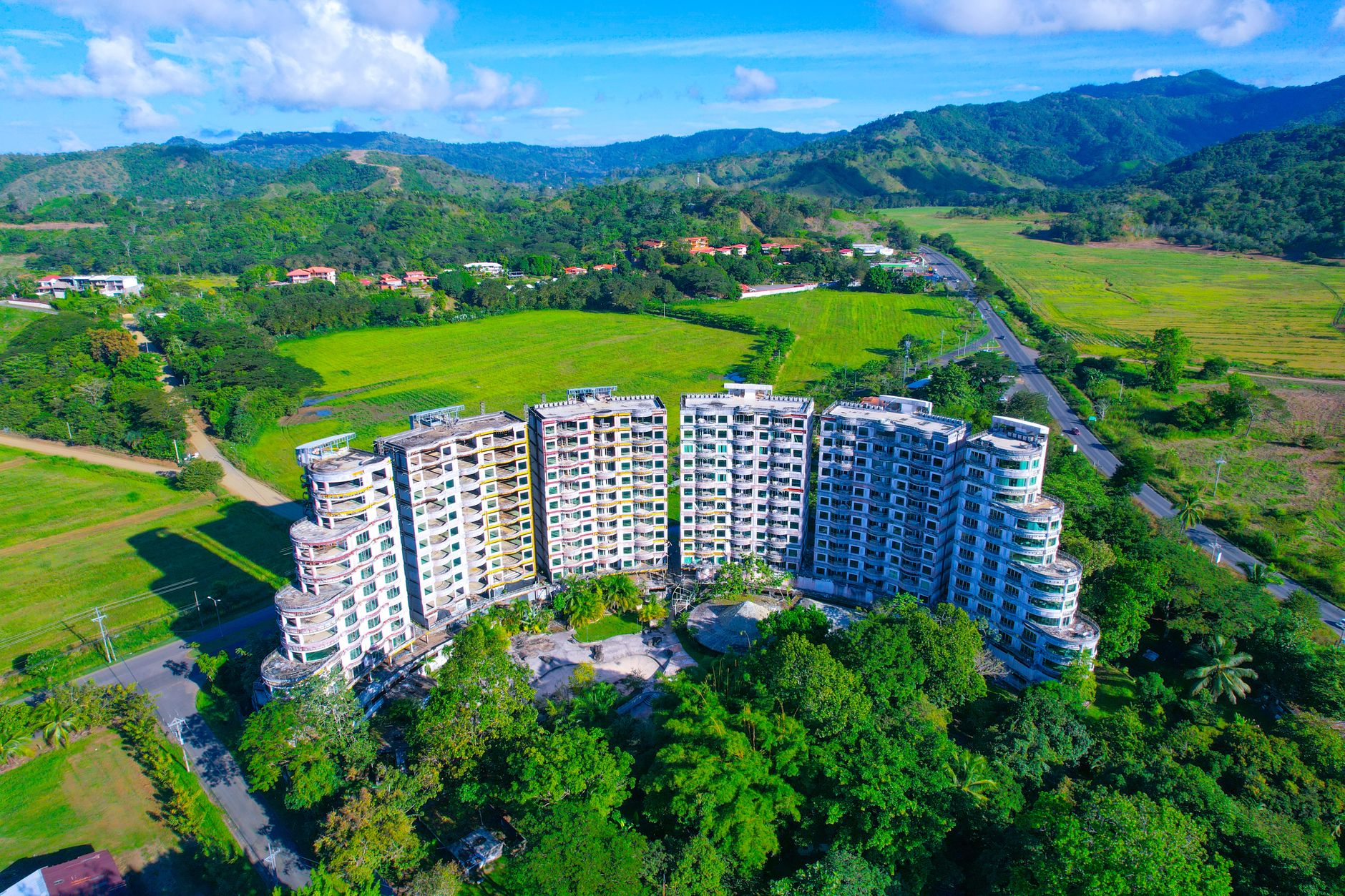
Chiang Mai is gaining foreign condo buyers while the national market contracts. In the first half of 2026, foreign-owned condo transfers in Chiang Mai rose 19% year-on-year to 379 units, according to data reported by Chiang Mai Business News in September 2026. Over the same period, Thailand's national foreign condo transfers fell 8.8% to 6,533 units. That gap is not noise. It reflects a structural shift in where relocating buyers and yield-seekers are choosing to put money.
Chiang Mai's share of Thailand's foreign condo transfers grew from 4.4% to 5.8% in H1 2026. That may seem modest, but the direction matters. The city is pulling demand away from oversupplied coastal and Bangkok markets at a measurable rate. The Real Estate Information Center (REIC) projects that unsold condo stock in Chiang Mai would clear in approximately 39 months at the current absorption pace, signalling a tightening supply environment rather than a glut.
This guide explains who is buying, what they are paying, where in the city, and whether Chiang Mai fits your investment or relocation goals.
Quick answer
- Foreign condo transfers in Chiang Mai rose 19% in H1 2026 (379 units), while Thailand's national figure fell 8.8%, per Chiang Mai Business News, September 2026
- Condo sales overall rose 49.4% in H1 2026; new condo transfers grew roughly 50% in volume and about 80% in value, driven by relocating buyers and foreign demand
- Unsold stock clearance rate: approximately 39 months, signalling tightening supply, not oversupply, as of mid-2026
- China remains the largest buyer group at 48% share (182 units), down from 53.8% in H1 2025; Myanmar buyers (35 units) and US buyers (30 units) are growing in relative weight
- Price per square metre (market estimates, as of 2026): entry-level condos from roughly THB 50,000-70,000/sqm; mid-range from THB 80,000-120,000/sqm; premium from THB 130,000-180,000/sqm
- Gross rental yields (market estimates, 2026): 5-7% for well-located units in Nimman and the Old City fringe; lower for remote suburban stock
Options and scenarios
Who is currently buying in Chiang Mai and why
The buyer profile in Chiang Mai has diversified compared to a year ago. China still leads with 182 units (48.0% share) in H1 2026, but that share fell from 53.8% in H1 2025. Myanmar buyers (35 units) rank second, reflecting Chiang Mai's geographic and cultural proximity to the Myanmar border. US buyers (30 units) rank third, a meaningful figure for a northern inland city. Taiwan surged to fourth with 16 units. South Korea and Russia each entered the top 10 with 9 units. This spread across nationalities reduces concentration risk compared to markets dominated by a single buyer group.
Relocating buyers - remote workers, early retirees, digital entrepreneurs - are a structural driver that coastal markets cannot easily replicate. Chiang Mai offers a lower cost of living than Phuket or Bangkok, a large international community, coworking infrastructure, and a temperate climate for most of the year. These factors attract buyers who intend to live in the property, not just rent it out seasonally.
Yield-seekers focus on the Nimman Road corridor, the Old City fringe, and the Hang Dong - San Sai suburban belt for newer stock. Nimman commands the highest rents because of walkability, cafes, international restaurants, and proximity to Chiang Mai University. Old City fringe units appeal to cultural tourists and short-stay visitors. Suburban stock is cheaper per square metre but depends almost entirely on long-stay tenants with a car.
The JLL multipolar thesis and what it means for Chiang Mai
JLL published an analysis in October 2026 arguing that Thailand's real estate growth is shifting from a Bangkok-centric model toward a multipolar pattern. The report focused primarily on the Eastern Economic Corridor and coastal tourism hubs, but the underlying logic extends to Chiang Mai: institutional and relocating capital is looking for markets with real occupier demand, not just speculative pre-sale pipelines. Chiang Mai fits that profile because its foreign buyer growth is led by people who actually move to the city.
Nimman Road and the Old City fringe
Nimman Road is the most liquid submarket for foreign buyers in Chiang Mai. A chanote title (full freehold land certificate - the strongest title type in Thailand) is the standard for condos here. Walking distance to Maya Mall, Nimman 1-13 lanes, and the Saturday Night Market makes short-term rental occupancy viable year-round. Market estimates for 2026 put prices at THB 90,000-140,000/sqm for quality stock in this corridor.
The Old City fringe (areas within 1-2 km of the moat) attracts boutique buyers. Stock is older on average, but some low-rise developments offer units from THB 60,000-90,000/sqm. Short-term rental regulations in Thailand remain inconsistently enforced in 2026, so confirm local juristic person (the condo management body) policy before committing to an Airbnb-style strategy.
Hang Dong, San Sai, and suburban corridors
These areas offer the lowest entry prices - from roughly THB 50,000-70,000/sqm - and appeal to retirees and long-stay families who want space and quiet. Trade-offs are real: no walkability, car dependency, longer travel to international hospitals, and thinner resale liquidity. If you need to exit in under five years, suburban stock is harder to move.
Bangkok versus Chiang Mai versus Phuket: the relocation comparison
Bangkok (Sukhumvit, Sathorn, Ari) offers the deepest liquidity, the best international healthcare (Bumrungrad, Samitivej), the most international schools, and the highest rental demand from corporate tenants. Price per sqm in prime Sukhumvit runs THB 150,000-300,000/sqm (market estimates, 2026). It is the right choice if your tenant is a multinational employee or if capital preservation and resale speed matter most.
Phuket (Bang Tao, Layan, Kamala) offers beach lifestyle and strong short-term rental demand from holiday visitors, but carries seasonal concentration risk. Rainy season (May to October) reduces occupancy significantly in most beach-facing units. Prices in Bang Tao range from roughly THB 80,000-180,000/sqm depending on project quality and sea proximity.
Chiang Mai sits in a different category: a livability-driven market rather than a tourism-speculation market. Buyers who live in or near the property, or who rent to long-stay tenants, get the most value here. The airport connects directly to Bangkok, Singapore, Kuala Lumpur, and several Chinese cities, which keeps the city accessible. The new Chiang Mai international airport terminal expansion (ongoing as of 2026) improves long-term accessibility.
Comparison table
| Parameter | Chiang Mai (Nimman) | Bangkok (Sukhumvit) | Phuket (Bang Tao) |
|---|---|---|---|
| Price/sqm estimate (2026) | THB 90,000-140,000 | THB 150,000-300,000 | THB 80,000-180,000 |
| Foreign transfer trend H1 2026 | +19% | Part of -8.8% national fall | Mixed; coastal oversupply pockets |
| Primary renter profile | Long-stay, remote workers, retirees | Corporate, expat families | Holiday visitors (seasonal) |
| Walkability | High (Nimman core) | High (BTS/MRT zones) | Low to medium |
| International hospital access | Good (Chiang Mai Ram, Bangkok Hospital CM) | Excellent (multiple tier-1 hospitals) | Adequate (Bangkok Hospital Phuket) |
| International schools | Moderate (3-4 accredited options) | Excellent (10+ accredited schools) | Limited (2-3 options) |
| Seasonal risk | Low; mild dry and rainy seasons | Very low | High; May-Oct occupancy drops |
| Resale liquidity | Moderate | High | Moderate to low (suburban stock) |
| Unsold stock signal (2026) | 39-month clearance (tightening) | Mixed by district | Oversupply in some project corridors |
| Best fit | Relocating buyers, long-stay yield | Capital preservation, corporate rental | Beach lifestyle, short-term rental |
Risks and mistakes
Foreign quota limits
Under the Thai Condominium Act, foreigners may own up to 49% of the total floor area of any condominium building. In popular Nimman projects, this quota fills. Always verify the remaining foreign quota before signing any reservation agreement. Ask the developer or juristic person for a written quota confirmation, not a verbal assurance.
Title deed verification
A chanote title (nor sor 4 jor) is the gold standard. Some older or suburban projects carry nor sor 3 or nor sor 3 gor titles, which have fewer survey guarantees. Have a licensed Thai lawyer verify the title at the local Land Department office before paying any deposit.
Short-term rental legal uncertainty
Thailand's Hotel Act technically requires a license for rentals under 30 days. Enforcement is inconsistent but rising. Some condo juristic persons ban short-term rentals outright. If your yield model depends on platforms like Airbnb, confirm the juristic person's rules and the local enforcement environment in writing before purchase.
Air quality seasonality
Chiang Mai experiences serious smoke pollution from agricultural burning, typically February to April. In bad years, the Air Quality Index (AQI) reaches levels classified as hazardous. This is a genuine quality-of-life and health risk, not a minor inconvenience. Buyers who plan to be in the city year-round must factor this in. Buyers who spend these months elsewhere may find the timing works for them.
Oversupply in suburban corridors
The 39-month stock clearance rate applies to the market overall. Certain suburban projects - particularly large low-rise condo developments on the San Sai or Hang Dong ring roads - carry longer clearance timelines. Buying in a half-empty project creates resale and rental problems. Check occupancy rates in any project before committing.
Transfer and holding costs
At transfer, the buyer typically shares or negotiates: 2% transfer fee (on assessed value), business tax or stamp duty, and withholding tax (on the seller's side). As a foreign buyer, you also need a Foreign Exchange Transaction (FET) certificate - a bank document proving that the purchase funds were remitted from abroad in foreign currency - to register foreign ownership and to repatriate proceeds later. Missing this document is one of the most common and costly mistakes foreign buyers make in Thailand.
Currency and remittance
All funds used to purchase a foreign-quota condo must be remitted to Thailand in foreign currency and converted to Thai baht here. Your Thai bank issues the FET certificate for each remittance. Keep every FET document for the full ownership period. You will need them when you sell.
FAQ
Is Chiang Mai a good place for foreign condo investment in 2026?
The data suggests yes, with qualifications. Foreign condo transfers rose 19% in H1 2026 while the national market fell 8.8%, per Chiang Mai Business News, September 2026. Tightening supply (39-month stock clearance) and a diversifying buyer base support the case. The best opportunities are in well-located Nimman or Old City fringe condos targeting long-stay tenants. Suburban stock carries more risk and lower liquidity.
Can foreigners legally own a condo in Chiang Mai?
Yes. Under the Thai Condominium Act, foreigners can own up to 49% of the total floor area of any condominium building in freehold (chanote title). You must remit purchase funds from abroad in foreign currency and obtain a Foreign Exchange Transaction certificate from your Thai bank. You cannot own the land the building sits on.
What rental yields can foreign buyers expect in Chiang Mai?
Market estimates for 2026 put gross yields at 5-7% for well-located units in the Nimman corridor rented to long-stay tenants. Yields are lower for suburban stock and for units dependent on short-term holiday rentals, where occupancy is harder to sustain and legal risk is higher.
How does Chiang Mai compare to Phuket for a foreign buyer?
Phuket offers beach lifestyle and short-term rental income, but seasonal occupancy risk (May-October rainy season), higher prices in beach-adjacent areas, and limited international schools. Chiang Mai offers lower entry prices, year-round demand from relocating buyers and remote workers, moderate international school options, and better rental stability from long-stay tenants. Phuket suits buyers optimising for beach lifestyle and holiday rental income. Chiang Mai suits buyers who want to live there or attract long-term tenants.
What is an FET certificate and why does it matter?
A Foreign Exchange Transaction (FET) certificate is a document issued by a Thai bank confirming that you remitted funds from abroad in foreign currency and converted them to Thai baht in Thailand. It is required to register foreign condo ownership at the Land Department and to legally repatriate your sale proceeds when you sell. Without it, you cannot prove the foreign origin of your funds, which can block both the registration and your ability to take money out of Thailand later.
Is the 49% foreign quota an issue in Chiang Mai condos?
In popular Nimman projects with strong demand, the foreign quota can be partly or fully filled. Always request written confirmation of the remaining foreign quota from the juristic person or developer before signing. If the quota is full, you cannot take freehold foreign ownership in that project, regardless of what a salesperson tells you verbally.
What is the smoke season in Chiang Mai and how bad is it?
Agricultural burning in the hills around Chiang Mai typically produces hazardous air quality from late February through April. In peak years, AQI readings exceed 300 (classified as hazardous under US EPA standards). If you or your family have respiratory conditions, or if you plan to live in the city during these months, treat this as a primary factor in your decision. Many residents choose to travel during this period.
Which nationalities are driving Chiang Mai foreign condo demand in 2026?
Per data reported by Chiang Mai Business News in September 2026, Chinese buyers led with 182 units (48.0% share) in H1 2026, down from 53.8% in H1 2025. Myanmar buyers ranked second (35 units), followed by US buyers (30 units). Taiwan ranked fourth (16 units). South Korea and Russia each entered the top 10 with 9 units. This diversification reduces the market's dependence on any single buyer nationality compared to prior years.
Who should NOT buy a condo in Chiang Mai?
Chiang Mai is a poor fit if you need: deep resale liquidity within 2-3 years; a beach lifestyle; the level of international schooling available in Bangkok; or corporate tenant demand. Buyers who depend on short-term rental income should approach with caution given legal uncertainty under the Hotel Act. Buyers with serious respiratory health concerns should also reconsider given the annual smoke season.
What due diligence steps are essential before buying in Chiang Mai?
Four steps are non-negotiable: (1) verify the title deed type (chanote preferred) at the Land Department through a licensed Thai lawyer; (2) confirm in writing the remaining foreign quota in the specific building; (3) confirm the juristic person's rules on rental duration; (4) ensure all purchase funds are remitted from abroad in foreign currency through a Thai bank so you receive FET certificates for each transfer. Do not rely on developer-provided lawyers for independent legal advice.
Planning a property purchase in Thailand? Send us your requirements - the THAI.ESTATE team will reply with specific options and a safety checklist for your case.