Editorial
Buying a Condo in Phuket as a Foreigner: 2026 Guide
By THAI.ESTATE Editorial Team12 min read
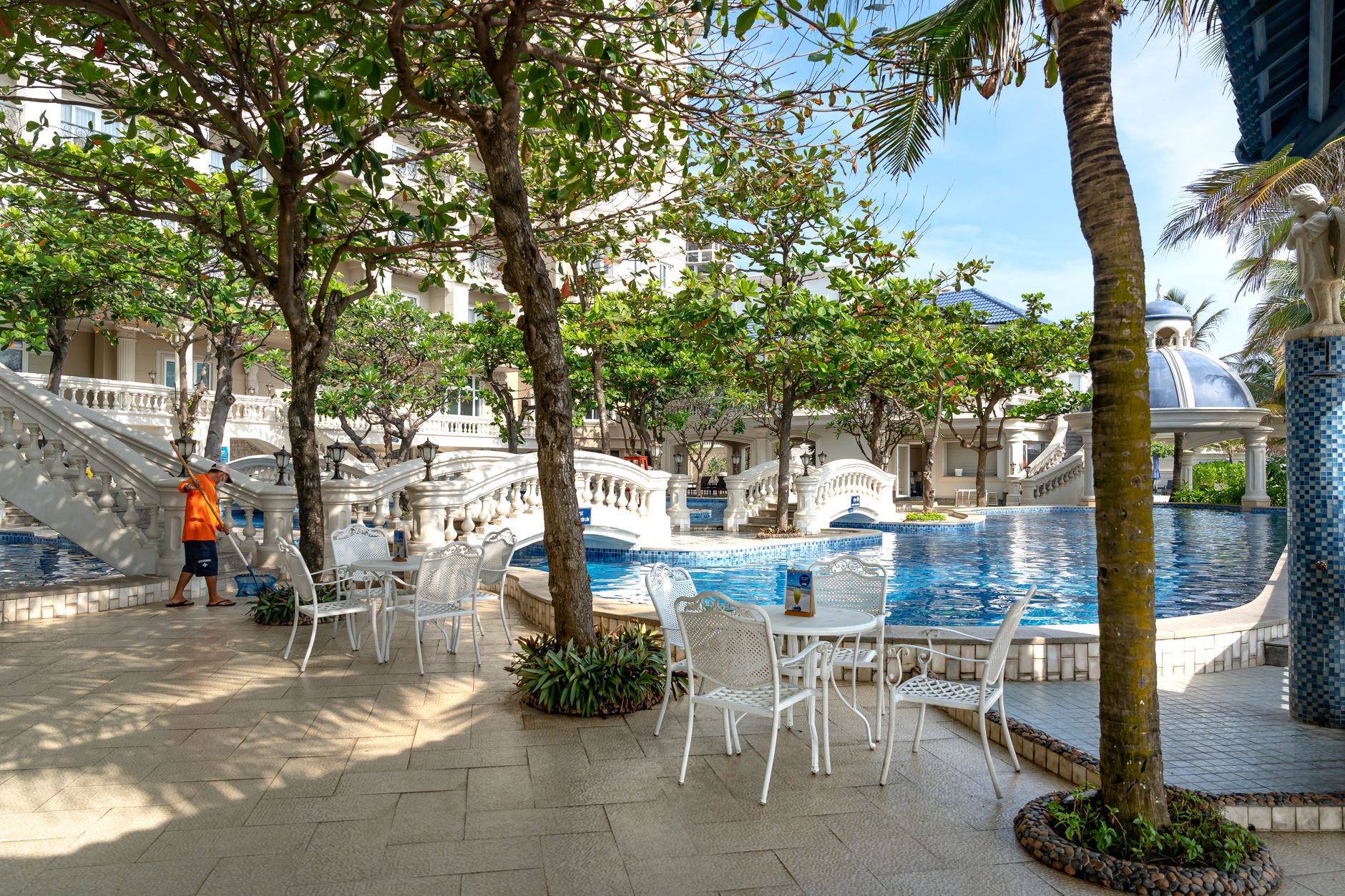
Foreigners can legally buy a condominium unit in Phuket under their own name, with full freehold title. Thai law - specifically the Condominium Act - allows non-Thai nationals to own up to 49% of the total floor area in any registered condominium project. This is the safest, most straightforward path to property ownership in Thailand for international buyers.
This guide explains every step, from choosing the right ownership structure to transferring funds correctly, so you avoid the mistakes that cost buyers time and money.
Quick answer
- Foreigners can own Phuket condos freehold under the Condominium Act, provided the building's foreign quota (49% of total floor area) has not been filled
- You must transfer funds from abroad in foreign currency and obtain a Foreign Exchange Transaction certificate (FET) - a bank document proving the money entered Thailand from overseas - to register ownership at the Land Office
- Typical purchase costs add 2-6% on top of the sale price (transfer fee, withholding tax, stamp duty or specific business tax - amounts depend on how long the seller has owned the unit)
- Leasehold is the alternative for units where the foreign quota is full: a registered 30-year lease (renewable by contract) gives you secure occupancy but not freehold title
- Chanote title (nor sor 4 jor) - the highest-grade land title document in Thailand - is what you want the building's land to carry; check this before signing
- Off-plan projects require a reservation deposit and stage payments; there is no escrow protection under Thai law, so developer due diligence is critical
- As of 2026, average asking prices for foreign-quota condos in central Phuket areas range from roughly THB 80,000 to THB 200,000+ per square metre (indicative market figures), depending on location and finish
Options and scenarios
Can a foreigner own a Phuket condo in their own name?
Yes. If the project has foreign quota remaining, you buy a freehold unit registered in your personal name. The title document is called a chanote (nor sor 4 jor) - Thailand's strongest form of land and unit title, GPS-surveyed and recorded at the Land Office. Your name appears on the chanote as sole owner.
This is the structure the THAI.ESTATE Editorial Team consistently recommends as the starting point for any foreign buyer.
What happens when the foreign quota is full?
When a project's 49% foreign quota is exhausted, you have two practical options:
Registered leasehold. You sign a 30-year lease that is registered at the Land Office. Registration makes it a real property right, not just a contract. Many developers write two further 30-year renewal options into the lease agreement, giving a practical horizon of 90 years - but only the first 30 years carry legal certainty under the Land Code. You hold no title, but you have a documented, transferable right of occupancy.
Buying through a Thai-registered company (nominee structure). Some buyers create a Thai limited company to hold the unit. Thai law requires that Thai nationals genuinely own at least 51% of the company shares. Using Thai nominees - people who hold shares on paper only, with no real stake - violates the Land Code and the Foreign Business Act. Enforcement risk is real: the Land Department has revoked titles held through nominee structures. The THAI.ESTATE Editorial Team advises against this route for residential purchases.
What is an FET certificate and why does it matter?
An FET certificate (Foreign Exchange Transaction certificate) is issued by a Thai commercial bank when you receive an inward international wire transfer of USD 50,000 equivalent or more, or when you specifically request documentation for a smaller transfer. It proves that the funds came from outside Thailand in foreign currency - a legal requirement for the Land Office to register a foreign-quota condo unit in your name.
Practical rules:
- Transfer funds in a foreign currency (USD, EUR, GBP, etc.), not Thai Baht
- Transfer directly to your Thai bank account or the developer's account from an overseas bank account in your name
- Request the FET certificate from the Thai bank at the time of transfer
- Keep every FET certificate: you need the full purchase amount covered
Missing or incomplete FET documentation is one of the most common reasons foreign purchases stall at the Land Office.
Off-plan condos: what are the payment stages?
Phuket's new-build market is largely off-plan. A typical payment schedule looks like this:
- Reservation deposit: THB 50,000 - 200,000, paid to secure the unit (often non-refundable)
- Contract deposit: 10-30% of the purchase price, paid within 30 days of reservation
- Construction stage payments: 2-4 instalments linked to build milestones
- Final payment on transfer: 20-30%, paid at the Land Office on the day ownership is transferred
There is no government-backed escrow or deposit protection scheme for property buyers in Thailand. Your only protection is thorough developer due diligence: check the developer's track record, confirm the building permit (EIA approval for projects near the coast), and have a Thai property lawyer review the sale and purchase agreement before you pay anything.
What about villas and land?
Foreigners cannot own land in Thailand under the Land Code. This means you cannot buy a villa plot in your own name. For villa purchases, the practical structures are:
- Long-term leasehold on the land (30 years registered, often with renewal clauses), combined with ownership of the building structure
- Superficies - a registered real right under the Civil and Commercial Code that gives you the right to own buildings on someone else's land for a defined period, separately from the land title
- Usufruct - a registered right to use and benefit from property (including living in it) for a defined period or for life
This guide focuses on condominiums, where freehold ownership is available. Villa structures carry additional complexity and risk.
Which Phuket areas have the most active condo markets?
As of 2026, the highest volume of foreign-quota condominium transactions occurs in:
- Patong and Kalim: central west coast, established tourist infrastructure, high rental demand
- Kamala and Bang Tao: mid-island, mixed luxury and mid-range projects, growing long-term resident base
- Rawai and Nai Harn: southern tip, quieter, popular with European long-stay buyers
- Laguna area (Cherng Talay): master-planned resort zone, higher price points, branded residences
- Phuket Town: emerging urban condo market, lower price per square metre, Thai-majority ownership
Project supply and foreign quota availability vary significantly by area and building. Always confirm remaining quota directly with the Land Office or the project's juristic person (the management body responsible for running the building under the Condominium Act) before proceeding.
Comparison table
| Parameter | Freehold condo (foreign quota) | Leasehold condo or villa | Thai company structure |
|---|---|---|---|
| Legal basis | Condominium Act | Land Code / Civil Code | Foreign Business Act, Land Code |
| Title in your name | Yes - chanote | No - lease agreement registered | No - company holds title |
| Ownership duration | Indefinite | 30 years (contractual renewals) | Indefinite (if compliant) |
| Transfer on sale | Straightforward | Lease must be re-registered | Company shares transfer |
| Legal risk level | Low | Low to medium | High (nominee risk) |
| FET certificate required | Yes | Yes (for Land Office registration) | Depends on structure |
| Typical buyer legal cost | THB 30,000 - 80,000 | THB 30,000 - 100,000 | THB 80,000 - 200,000+ |
| Recommended for foreigners | Yes - first choice | Yes - when quota is full | No - for residential use |
Risks and mistakes
Buying into a full foreign quota
Some developers or sellers market units as 'foreign freehold' when the quota is already at or near 49%. Always verify the current quota directly with the building's juristic person or the Phuket Land Office before signing anything. A verbal or brochure claim is not sufficient.
Missing or fragmented FET certificates
Transferring funds in multiple small amounts, or in Thai Baht from an offshore Baht account, can invalidate your FET trail. Each transfer must be documented. If you pay a reservation deposit by credit card or local Thai Baht transfer, that portion may not qualify. Clarify fund-transfer requirements with your Thai bank and lawyer before the first payment.
Paying before reviewing the sale and purchase agreement
Many buyers pay a reservation deposit before a lawyer has seen the contract. Reservation deposits are typically non-refundable. Engage a licensed Thai property lawyer - not the developer's in-house legal team - before any payment is made.
Relying on a nominee company structure
As noted above, using Thai nominees to hold a majority share in a land-holding company is a criminal offence under the Foreign Business Act as well as a violation of the Land Code. The government has periodically investigated and revoked titles held this way. The risk is not theoretical.
Underestimating closing costs
Buyers often budget only for the unit price. Closing costs at the Land Office typically include:
- Transfer fee: 2% of the appraised value (government assessed value, often below market price)
- Withholding tax: 1% of appraised value or declared sale price (whichever is higher) for individuals
- Specific Business Tax (SBT): 3.3% of appraised or declared value, applied if the seller has owned the unit for fewer than 5 years
- Stamp duty: 0.5%, applied only if SBT does not apply
- Legal and due diligence fees: variable
Seller and buyer commonly negotiate who pays which fees. There is no fixed rule - your contract must specify the split.
Ignoring sinking fund and common area charges
Every registered condominium collects a sinking fund - a one-time capital contribution paid at transfer to cover future major repairs of common areas - and ongoing common area maintenance (CAM) fees charged annually or monthly. Ask for the current sinking fund rate and CAM fee schedule before purchase. These are not refundable and can be significant for larger units.
Off-plan developer risk
Phuket has experienced cases where off-plan projects were delayed by years or not completed. Before committing to a large stage payment, check: Does the developer own the land outright (chanote confirmed)? Is the building permit issued? Has the Environmental Impact Assessment (EIA) been approved for coastal or hillside projects? Can you speak to buyers who completed with this developer before?
FAQ
Can a foreigner buy a condo in Phuket in their own name?
Yes. Under the Condominium Act, a non-Thai national can buy and register a freehold condominium unit in their own name, provided the project's foreign quota (49% of total floor area) has not been reached and the purchase funds are transferred from abroad in foreign currency with an FET certificate.
How do I check if foreign quota is still available in a specific project?
Contact the building's juristic person (the building management office) and ask for the current foreign-to-Thai ownership ratio. You can also verify at the local Land Office in Phuket. Do not rely solely on the developer's or agent's verbal confirmation.
What is the minimum budget to buy a condo in Phuket as a foreigner in 2026?
Entry-level studio units in secondary locations start at roughly THB 2 - 3 million (indicative market figures as of 2026). Branded or sea-view units in prime areas such as Kamala or Laguna can exceed THB 20 million. Budget an additional 4-6% for closing costs and 1-2% for legal and due diligence fees.
Do I need to be in Thailand to complete the purchase?
No. You can sign documents remotely using a notarised and apostilled Power of Attorney, authorising a representative in Thailand to attend the Land Office transfer on your behalf. Confirm with your lawyer that the POA format meets Land Office requirements before you travel or arrange remote signing.
Can I rent out my Phuket condo after buying it?
You can rent it out long-term (30 days or more per rental period) without additional licences. Short-term rentals (fewer than 30 days) fall under the Hotel Act and technically require a hotel licence for the building. Many condominium buildings in Phuket operate rental pools or partner with management companies, which may hold the relevant licences. Verify the building's rental rules and licensing status with the juristic person before buying if rental income is part of your plan.
What is a juristic person in a Thai condo?
A juristic person is the legal entity established under the Condominium Act to manage common areas and enforce building rules on behalf of all unit owners. It is roughly equivalent to a homeowners' association or residents' management company. All co-owners are members. The juristic person collects maintenance fees and the sinking fund, and it holds the building's common area insurance.
Is leasehold ownership safe for foreigners in Phuket?
A 30-year lease registered at the Land Office is a real property right under Thai law, not just a contract. It is enforceable and transferable. The risk is that the legal certainty covers only 30 years: renewal clauses in the lease agreement are contractual, not automatic legal rights. If the landowner refuses renewal, you may have a contract claim but not an automatic extension. Choose registered leasehold over unregistered agreements.
What Thai taxes apply when I buy a Phuket condo?
At transfer, the parties pay a transfer fee (2% of government appraised value), withholding tax (1% of appraised or declared value for individuals), and either Specific Business Tax (3.3%, if the seller has owned the unit fewer than 5 years) or stamp duty (0.5%). Exact amounts depend on the appraised value set by the Land Department, the sale price declared, and how long the seller has held the unit. Annual property tax under the Land and Buildings Tax Act also applies, at rates that vary by use (residential or rental).
Can I get a mortgage in Thailand as a foreigner?
A small number of Thai banks offer mortgage products to foreign buyers, primarily for condominium units in major tourist areas including Phuket. Approval is selective: lenders typically require a Thai work permit or proof of local income, and loan-to-value ratios are lower than in many Western markets (often 50-70%). Most foreign buyers fund Phuket purchases from overseas without a Thai mortgage. Confirm current lending criteria directly with Thai commercial banks.
What should I do first when planning to buy a condo in Phuket?
Start by confirming that the project has remaining foreign quota. Then engage an independent Thai property lawyer (not the developer's lawyer) to review the title, the building permit, the EIA approval, and the sale and purchase agreement. Only after that should you transfer any funds. Set up your Thai bank account early so that inward transfers can be documented with FET certificates from the start.
Planning a property purchase in Thailand? Send us your requirements - the THAI.ESTATE team will reply with specific options and a safety checklist for your case.