Editorial
Best Beach Areas in Thailand for Foreign Buyers: 2026 Guide
By THAI.ESTATE Editorial Team15 min read
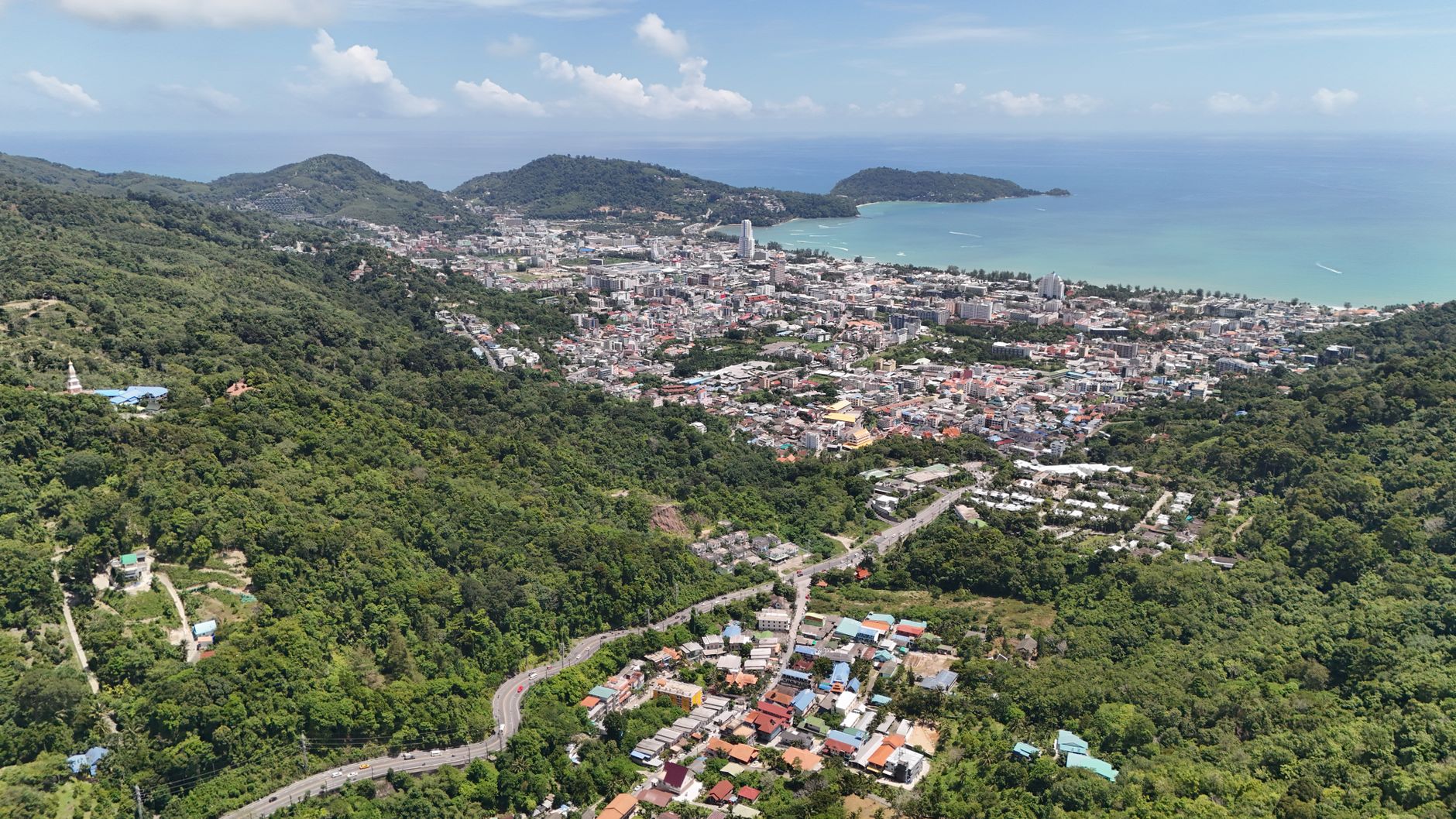
Phuket, Koh Samui, and a handful of smaller coastal spots are the realistic choices for foreign buyers seeking beach property in Thailand. Each area serves a different buyer type, and none is universally 'right'. This guide compares them on the numbers and trade-offs that matter: price per square metre, rental demand, infrastructure, healthcare, and the honest risks that property marketing tends to omit.
As of 2026, foreign nationals can own a condominium unit freehold (up to 49% of a building's total floor area under the Condominium Act), or access land-adjacent property through long-term leasehold structures. Neither route is risk-free. The area you choose affects your yield ceiling, your exit options, and your day-to-day quality of life far more than the unit type.
Quick answer
- Bang Tao and Layan (Phuket) offer the broadest buyer base: holidaymakers, remote workers, and long-stay families. Indicative condo prices range from 90,000 to 200,000 THB per sqm as of 2026 (market estimates).
- Kamala and Surin (Phuket) suit quieter, mid-to-upper buyers. Less oversupply than Patong. Gross rental yields are estimated at 5-7% per year for well-managed units.
- Rawai and Nai Harn (Phuket) are the retiree and long-stay expat corridor. Lower nightly rates but stronger occupancy from monthly renters.
- Bophut and Maenam (Koh Samui) attract families and boutique-resort investors. Prices are lower than comparable Phuket areas but so is liquidity.
- Chaweng (Koh Samui) has high tourist traffic but also high noise, nightlife density, and stock that is ageing fast.
- Koh Samui overall has one airport served by a single airline group, which creates an access risk that Phuket does not share.
- Seasonal dead months exist in every beach area. Factor in 2-3 months of low or zero rental income per year depending on the zone.
Options and scenarios
Is Bang Tao good for investment?
Bang Tao is the largest and most developed resort beach on Phuket's west coast. The Laguna Phuket resort complex anchors the northern end, creating a built-in hospitality infrastructure. As of 2026, Bang Tao attracts the widest demographic mix of any Thai beach: short-stay tourists from China, Russia, and Europe; remote workers on 90-day stays; and families who base themselves here for school terms at the international schools in the wider Cherng Talay area.
The investment case is genuine but not simple. Supply has grown sharply since 2022. Many developers launched projects simultaneously, and several buildings have not reached the occupancy rates promised in pre-sale materials. If you are buying for rental income, select buildings with a verifiable track record of managed lettings, not just developer projections. Indicative gross yields for well-positioned units are 5-7% as of 2026 (market estimates), but poorly managed stock in oversupplied micro-pockets can return 3% or less.
Who should buy in Bang Tao: buyers who want broad rental demand, easy airport access (35-40 minutes to Phuket International), and resale liquidity relative to other Thai beach areas.
Who should not buy in Bang Tao: buyers who want a quiet village feel, buyers who cannot afford to absorb 2-3 soft months per year, and buyers who plan to leave the unit unmanaged.
Layan: the quieter neighbour with a premium tag
Layan sits at the northern tip of Bang Tao Bay. Fewer units, lower density, and direct beach access make it the premium pocket. Indicative condo prices reach 150,000-220,000 THB per sqm for front-line units (market estimates, 2026). Rental demand is strong but relies heavily on the upper end of the short-stay market. If global travel slows or luxury spending contracts, Layan feels it faster than mid-market Bang Tao.
Kamala: the mid-market sweet spot
Kamala is a mid-sized beach village between Patong and Surin. It avoids Patong's nightlife density and is not as expensive as Surin or Layan. International buyers who want walkability - a small supermarket, restaurants, and the beach within 10 minutes on foot - often settle here.
Oversupply is a moderate concern. Several hillside condo projects were completed between 2022 and 2025, adding stock faster than demand absorbed it. Sea-view units at altitude can be difficult to rent without a vehicle, which limits your tenant pool.
Indicative prices: 80,000-130,000 THB per sqm for standard condo stock (market estimates, 2026). Gross yield estimates: 4-6%.
Surin: boutique positioning, limited supply
Surin has a small beach, a relaxed vibe, and limited new supply relative to Bang Tao. It appeals to European buyers and to the upper end of the Thai domestic market. The trade-off is lower rental volume - the beach is small, and the area does not generate mass tourism. Monthly or seasonal lets to expats are the dominant rental model.
Who should buy in Surin: buyers targeting long-stay renters or personal use with occasional rental income.
Who should not buy in Surin: buyers who need high occupancy to cover carrying costs.
Karon and Patong: honest assessment
Karon is a long beach with a mix of hotel and residential stock. It is serviceable but lacks the cachet of Bang Tao or the boutique character of Surin. Patong is excluded from most serious investment conversations in 2026 because of noise, nightlife, and an ageing property stock with limited resale demand from quality buyers.
Rawai and Nai Harn: the long-stay corridor
The south of Phuket has a distinctly different character from the west coast. Rawai and Nai Harn are home to a large population of long-term expat residents, digital nomads, and retirees. Short-stay tourism is lower, which means nightly rental rates are lower, but monthly occupancy from long-term tenants tends to be more stable.
Healthcare access is reasonable: Bangkok Hospital Phuket and Mission Hospital are within a 25-35 minute drive. The international school network is thinner here than in the Bang Tao/Cherng Talay corridor, which matters if you have school-age children.
Indicative prices: 60,000-100,000 THB per sqm for condo stock (market estimates, 2026). This makes it the most accessible price point on Phuket's major beaches.
Who should buy here: retirees, long-stay buyers, couples without children who want a quieter life and lower entry cost.
Who should not buy here: buyers who rely on high-season short-stay revenue to generate a return.
Bophut and Maenam (Koh Samui): the family and boutique case
Bophut's Fisherman's Village is one of the most visually attractive village streetscapes in the Thai islands. It draws boutique tourism, food-and-culture visitors, and families who want a resort island without Phuket's scale. Maenam, to the west, is quieter and less expensive.
The structural risk on Koh Samui is airport access. As of 2026, Samui Airport is a private airport primarily served by Bangkok Airways. This limits the number of direct international routes and adds cost and complexity to international travel. Phuket has direct flights from Europe, the Middle East, and multiple Asian hubs. Samui does not. This single factor limits the size of the international short-stay rental market and suppresses resale demand from buyers who travel frequently.
Indicative condo prices in Bophut and Maenam: 50,000-90,000 THB per sqm (market estimates, 2026). Gross yields: 4-6%, with strong sensitivity to the hotel room rate environment on the island.
Chaweng (Koh Samui): the tourist hub trade-off
Chaweng is the island's main commercial strip. Rental demand is high in peak season (December to February, and July to August), but the area carries noise, traffic, and nightlife that make long-term living uncomfortable. Property stock varies widely in quality. New freehold condo supply is limited because land ownership structures on Samui are complicated and foreign-accessible freehold stock is scarcer than on Phuket.
Lamai (Koh Samui): the quieter tourist zone
Lamai is Samui's second beach. It is less crowded than Chaweng and has a small expat residential community. It shares Samui's airport access risk. For buyers who want a Samui property specifically, Lamai is a more liveable choice than Chaweng for long stays.
Comparison table
| Area | Indicative price (THB/sqm, 2026 est.) | Primary rental profile | Airport access | Rainy season impact | Foreign freehold condo available | Fit verdict |
|---|---|---|---|---|---|---|
| Bang Tao, Phuket | 90,000-200,000 | Tourists, remote workers, families | Phuket Intl, 35-40 min | Moderate (May-Oct) | Yes, active market | Best all-round option for most buyers |
| Layan, Phuket | 150,000-220,000 | Luxury short-stay, boutique guests | Phuket Intl, 35-40 min | Moderate (May-Oct) | Yes, limited stock | Premium buyers, low volume |
| Kamala, Phuket | 80,000-130,000 | Mix of tourists and expats | Phuket Intl, 30 min | Moderate (May-Oct) | Yes | Mid-market buyers wanting walkability |
| Surin, Phuket | 90,000-150,000 | Long-stay expats, boutique tourists | Phuket Intl, 25 min | Moderate (May-Oct) | Yes, limited new supply | Boutique positioning, personal use |
| Karon, Phuket | 70,000-120,000 | Package tourists, mid-market | Phuket Intl, 40 min | Moderate (May-Oct) | Yes | Functional but limited upside |
| Rawai/Nai Harn, Phuket | 60,000-100,000 | Retirees, long-stay expats | Phuket Intl, 30-35 min | Lower impact (south) | Yes | Retirees, long-stay buyers |
| Bophut, Koh Samui | 55,000-90,000 | Boutique tourists, families | Samui (Bangkok Airways), 15 min | Heavy (Oct-Dec) | Limited | Buyers who specifically want Samui |
| Maenam, Koh Samui | 45,000-75,000 | Long-stay expats, budget tourists | Samui (Bangkok Airways), 20 min | Heavy (Oct-Dec) | Limited | Budget entry, long-stay focus |
| Chaweng, Koh Samui | 60,000-100,000 | Package tourists, short-stay | Samui (Bangkok Airways), 10 min | Heavy (Oct-Dec) | Very limited | Not recommended for long-stay buyers |
| Lamai, Koh Samui | 50,000-85,000 | Mix of tourists and expats | Samui (Bangkok Airways), 20 min | Heavy (Oct-Dec) | Limited | Secondary choice within Samui |
Risks and mistakes
Buying on developer yield projections without checking actual track records. Rental guarantees offered by developers are contractual promises from a private company, not a regulated financial product. If the developer faces cash-flow problems, the guarantee may not be honoured. Always ask for audited occupancy data from similar completed buildings before committing.
Ignoring the 49% foreign ownership quota. Under the Thai Condominium Act, foreigners can own freehold only up to 49% of total floor area in any one building. In buildings where the foreign quota is full, your only purchase option is the Thai quota - which requires a Thai company structure or a Thai national to hold title. This adds legal cost and risk. Always confirm the current foreign quota availability before signing anything.
Foreign Exchange Transfer (FET) certificate errors. To hold freehold condo title in Thailand, you must bring purchase funds into Thailand in foreign currency and obtain a Foreign Exchange Transfer certificate (an FET, also called a Thor Tor 3 form) from the receiving Thai bank. If funds arrive in Thai baht, or if the transfer documentation is incomplete, the Land Department may refuse to register the title in your name. This is a procedural error that is fully avoidable with correct bank instructions at the time of transfer.
Underestimating transfer and holding costs. At purchase, expect to pay approximately 2% transfer fee (split by negotiation), 3.3% specific business tax (on resale within 5 years) or 0.5% stamp duty, plus legal fees. Annual common area fees (juristic person fees, meaning the building management charge) typically run 40-80 THB per sqm per month. Sinking fund contributions (a one-time capital reserve paid at purchase) are usually 500-700 THB per sqm. Budget for these explicitly.
Underestimating rainy-season impact. Phuket's west coast (Bang Tao, Layan, Kamala, Surin, Karon) faces the Andaman Sea and receives heavy rainfall from May to October. Occupancy drops sharply in this period. Koh Samui faces the Gulf of Thailand and has its own heavy rain season from October to December, which means peak season and rainy season are offset from Phuket but not eliminated. Some areas - especially Rawai and Nai Harn on Phuket's south coast - receive less severe rainy-season weather, but no Thai beach area avoids it entirely.
Leasehold structures without legal review. If you are buying a villa or land-adjacent property through a long-term lease (typically 30 years, sometimes with renewal options), the lease must be registered at the Land Department to be enforceable against third parties. Unregistered leases provide very limited protection. Always use an independent Thai lawyer - not the developer's recommended lawyer - to review lease terms.
Construction noise corridors in Bang Tao. Multiple development projects were under construction simultaneously in Bang Tao and Cherng Talay as of 2025-2026. If you are buying in this area for personal use or quality short-stay rental, inspect the surrounding development pipeline before committing. Construction noise can affect rental reviews and your own comfort for 18-36 months.
Single-airport dependency on Koh Samui. If Samui Airport closes for maintenance, bad weather, or operational reasons, the island becomes accessible only by ferry and connecting flight via Surat Thani. This happened for multi-day periods in past years. For buyers who travel internationally several times per year, this is a practical inconvenience that Phuket buyers do not face.
FAQ
Which area in Thailand is best for a foreign buyer who wants beach property and rental income?
Bang Tao in Phuket is the most realistic starting point for buyers who need rental income. It has the largest and most diverse short-stay tenant pool, reliable airport access, and more professional property management infrastructure than most other Thai beach areas. That said, supply growth in 2022-2025 means you need to select buildings carefully. Avoid units that are not part of a managed rental programme.
Is Phuket or Koh Samui better for retirement?
Phuket is the stronger choice for most retirees. It has two major international-standard hospitals (as of 2026), direct flights from Europe and the Middle East, a large long-term expat community, and better year-round road infrastructure. Koh Samui suits retirees who prefer a smaller, quieter island and do not mind more complex travel connections. Rawai and Nai Harn in south Phuket specifically suit retirees who want a quieter pace without giving up Phuket's healthcare and flight advantages.
Can a foreign national own a beach villa in Thailand?
Foreigners cannot own land in Thailand under their own name. A villa that sits on land can be accessed through a registered long-term lease (typically 30 years, registered at the Land Department) or through a Thai company structure that owns the land. Both carry legal risks that a freehold condo does not. A registered leasehold from a financially stable developer is generally workable, but you must have independent legal advice before signing. Do not rely on the developer's own lawyer.
What are realistic rental yields in Thai beach areas in 2026?
For well-managed condominiums in high-demand areas like Bang Tao and Kamala, gross yields are estimated at 5-7% per year as of 2026. Net yields after management fees (typically 20-30% of gross rent), maintenance, and vacancy periods are lower - commonly 3-5%. In lower-demand areas like Maenam or Lamai on Koh Samui, gross yields may be 4-6% but with higher vacancy sensitivity. Developer-quoted yields of 8-10% should be treated with scepticism unless supported by audited data from comparable completed buildings.
How much does a foreign buyer pay in transfer costs when buying a Thai condo?
At the Land Department, the standard costs include a 2% transfer fee (calculated on the appraised value, often shared between buyer and seller by negotiation), plus either 3.3% specific business tax (if the seller has owned less than 5 years) or 0.5% stamp duty if the 5-year threshold is met. The buyer typically also pays legal fees for independent review, which vary by lawyer and deal complexity. Budget at least 3-5% of purchase price in total transaction costs.
What is a chanote title and why does it matter?
A chanote (formally, a Nor Sor 4 Jor title deed) is the highest grade of land title in Thailand. It means the land boundaries have been precisely surveyed by the Land Department using GPS coordinates. For condo purchases, each unit has its own title document under the condominium title system. For villa or land purchases, insist on a chanote. Lower-grade titles (Nor Sor 3, Sor Kor 1) offer weaker legal protection and can complicate financing or resale.
Is the rainy season a serious problem for rental income in Phuket?
Yes, and any honest analysis must say so clearly. Phuket's west coast beaches face heavy rain, rough seas, and reduced tourism from roughly May to October. Occupancy for short-stay rentals drops significantly in this period - some buildings report 30-50% lower occupancy versus peak season (November to April), per market estimates. South Phuket (Rawai, Nai Harn) fares somewhat better because it is partially sheltered. Monthly lets to long-stay tenants help smooth this gap. Factor in at least 2-3 genuinely low months per year in your financial projections.
Is Bang Tao oversupplied in 2026?
Oversupply is a real concern in specific pockets of Bang Tao and the wider Cherng Talay corridor. Multiple large condo projects were launched and completed between 2022 and 2025, adding significant supply in a short window. Not all buildings have reached target occupancy. The risk is concentrated in mid-range buildings that lack strong management programmes or brand affiliation. Well-located, professionally managed buildings in the 90,000-140,000 THB per sqm range with an existing rental track record are less affected. Due diligence on a building's specific occupancy history matters more here than in less-developed areas.
Which Koh Samui area is best for a long-stay expat buyer?
Bophut and Maenam are the most practical choices for long-stay expat buyers on Koh Samui. Both have established expat communities, access to international-standard supermarkets, and a quieter atmosphere than Chaweng. Maenam has lower prices and more space. Bophut has more walking-distance amenities and the Fisherman's Village restaurant strip. Neither area has a large international school, so families with school-age children should factor in school transport or consider Phuket instead.
Do I need to transfer money from abroad to buy a condo in Thailand as a foreigner?
Yes. To register freehold condo title in your name under the Thai Condominium Act, the purchase funds must be transferred into Thailand in a foreign currency from an overseas bank account. The receiving Thai bank issues a Foreign Exchange Transfer certificate (FET, also known as a Thor Tor 3 form) that records the amount, currency, and purpose of the transfer. You must present this document to the Land Department at title transfer. Without it, the foreign freehold quota registration cannot proceed.
Planning a property purchase in Thailand? Send us your requirements - the THAI.ESTATE team will reply with specific options and a safety checklist for your case.