Editorial
Best Beach Areas in Thailand for Foreign Buyers: 2026 Guide
By THAI.ESTATE Editorial Team16 min read
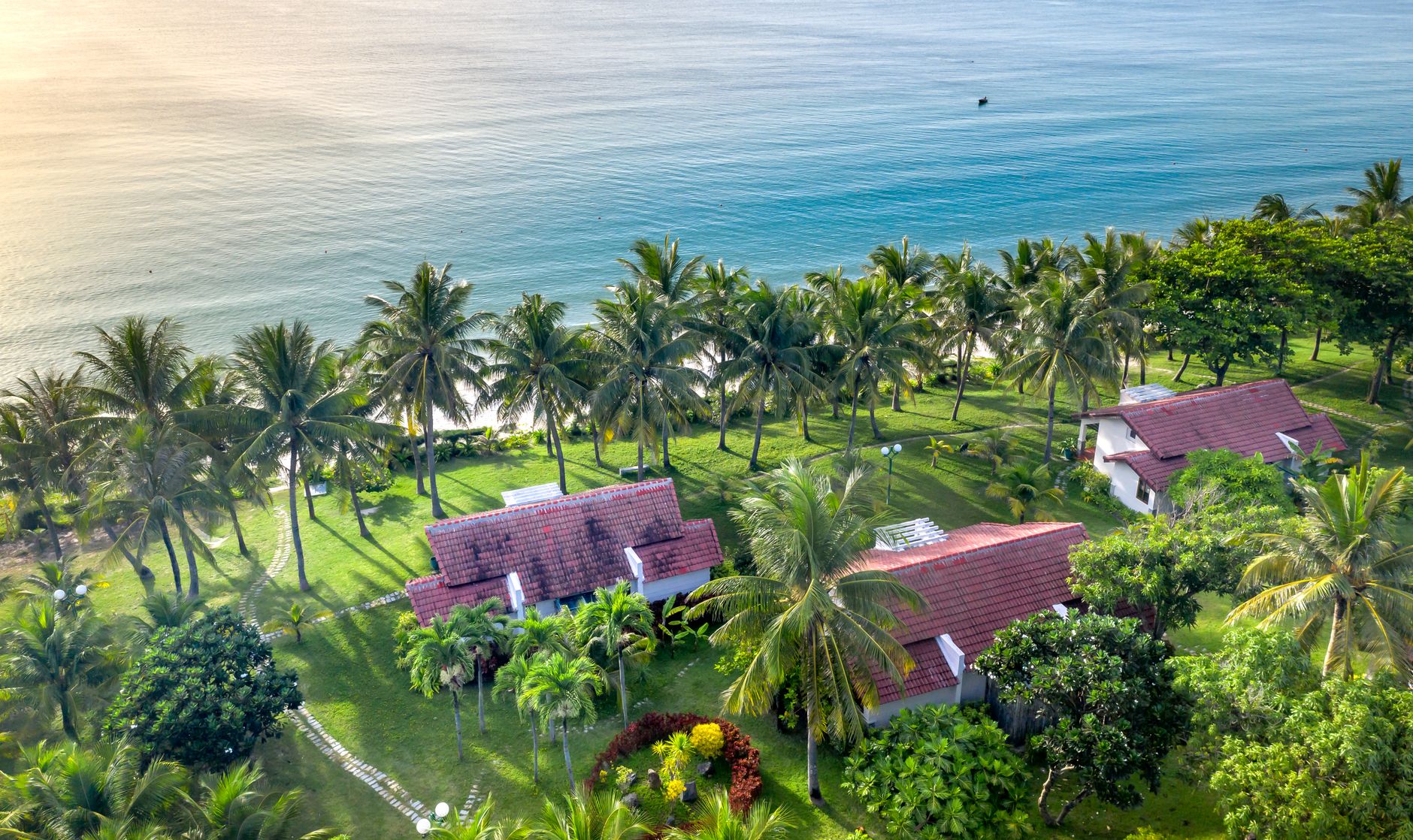
Phuket's Bang Tao and Layan corridors, Koh Samui's Bophut and Maenam strips, and Hua Hin's seafront all attract the largest share of foreign residential buyers among Thailand's beach destinations as of 2026. Which one fits your budget, rental goals, and lifestyle depends on four things: how you plan to hold the asset legally, who you want to rent to, how often you need a direct international flight, and how much construction noise you can tolerate during ownership.
This guide compares the leading beach areas district by district, gives indicative 2026 price-per-square-metre ranges from market estimates, names the trade-offs plainly, and tells you directly who should buy in each area and who should not.
Quick answer
- Bang Tao / Layan (Phuket): indicative condo prices THB 100,000-200,000 per sqm (market estimates, 2026); strongest short-term rental demand; near international airport; oversupply risk in the mid-range segment
- Kamala / Surin (Phuket): quieter than Bang Tao; indicative THB 90,000-160,000 per sqm; suits retirees and long-stay remote workers
- Karon / Rawai / Nai Harn (Phuket): more affordable at THB 60,000-110,000 per sqm (indicative); longer drive to airport; popular with budget-conscious retirees
- Bophut / Maenam (Koh Samui): indicative THB 70,000-130,000 per sqm; ferry-reliant access; limited freehold condo stock; suits villa buyers with long-term horizon
- Chaweng / Lamai (Koh Samui): busiest tourist strip; indicative THB 55,000-100,000 per sqm; highest party noise and seasonal dead months (October-November)
- Hua Hin: indicative THB 50,000-120,000 per sqm; no beach-facing international airport; strong retiree and Bangkok-weekender demand; slower capital appreciation than Phuket
Options and scenarios
Is Bang Tao good for investment?
Bang Tao is the most liquid sub-market on Phuket's west coast for short-term rental investment as of 2026. The area sits within a 15-minute drive of Phuket International Airport, which handles direct flights from Europe (via connecting hubs), the Middle East, mainland China, and most of Southeast Asia. Holiday rental yields in managed pool-villa or branded-condo projects run between 5% and 7% gross per year according to market estimates, though you should deduct management fees of 30-40% of gross rental income before comparing those numbers to yields elsewhere.
The honest risk in Bang Tao is oversupply in the THB 5-8 million one-bedroom condo band. A significant number of projects completed between 2022 and 2025, and more are due in 2026-2027. If your unit is not in a hotel-licensed building with a professional operator, occupancy in the shoulder season (May-October) can be substantially lower than developer projections. Buy in Bang Tao if you have a long hold period (seven years or more) and a clear operator agreement. Avoid it if you need rental income from day one to service a local loan.
As a foreign buyer, you can hold a condominium unit in your own name under the Condominium Act (Thailand), provided the building's foreign quota - the 49% of total floor area that can be sold freehold to non-Thai nationals - has not been exhausted. Always confirm the remaining foreign quota with the juristic person (the building's legally registered management entity) before signing anything.
Layan: quieter alternative to Bang Tao
Layan sits at the northern tip of Bang Tao Beach and has fewer restaurants, fewer construction sites in the immediate vicinity, and a narrower choice of projects. Indicative prices are at the upper end of the Bang Tao range, from THB 130,000 to 220,000 per sqm for branded or beachfront product (market estimates, 2026). Rental demand follows Bang Tao because the beaches are continuous, but the supply of rental inventory is smaller, which can support occupancy rates. Layan suits buyers who want the Bang Tao airport proximity with a lower-density environment and are willing to pay a premium for it.
Kamala and Surin: mid-market with a quieter profile
Kamala and Surin beaches are approximately 25-30 minutes from Phuket Airport. Surin attracted a premium-spending crowd for years, though some of the beach infrastructure was subject to regulatory enforcement actions after 2014 that changed its character. Today both areas are calmer alternatives to Bang Tao, with good road access, a small selection of international restaurants, and a resident foreign community that skews toward retirees and semi-permanent remote workers.
Indicative condo prices in Kamala run from THB 80,000 to 150,000 per sqm (market estimates, 2026). Villa land in the hills above Kamala commands significant premiums for sea views. Rental demand is softer than Bang Tao on a per-night volume basis, but longer-stay monthly renters provide more stable income with lower management costs.
Who should buy here: retirees or remote workers who want a quiet beach environment, access to Phuket's medical infrastructure (Bangkok Hospital Phuket is reachable in 30-35 minutes), and lower price points than Layan. Who should not buy: buyers who need maximum short-term rental occupancy to justify the purchase.
Karon, Rawai, and Nai Harn: value zones in the south
Phuket's southern beaches offer the lowest indicative prices on the island and a more established long-term resident foreign community. Nai Harn in particular is popular with Europeans and Australians who have lived in Phuket for many years. The drive from Nai Harn to the airport is 45-60 minutes depending on traffic, which is a genuine inconvenience if you travel frequently.
Karon is a large beach with a mixed tourist market. Its property stock ranges from aging condos to newer low-rise projects. Rawai is less of a tourist beach and more of a residential area with a fresh seafood market and a working fishing community. This is why Rawai and Nai Harn suit permanent or semi-permanent residents rather than pure rental investors.
Indicative prices: THB 60,000-110,000 per sqm in Karon and Rawai for resale condos (market estimates, 2026). Nai Harn premium units can reach THB 130,000 per sqm. Rainy-season character in the south is the same as the rest of Phuket's west coast: May through October brings heavy rain, reduced tourist arrivals, and slower rental markets. A property here should be priced on 6-7 high-season months of occupancy, not 12.
Bophut and Maenam (Koh Samui): for villa buyers with patience
Koh Samui's north coast - Bophut and Maenam - is the most liveable strip on the island for long-stay foreigners. Bophut's Fisherman's Village has an established walking street with restaurants and small shops. Maenam is quieter and has a long, shallow beach that is less dramatic than Phuket's west coast bays but calmer for swimming from November through March.
The key structural difference from Phuket: Koh Samui is an island without a land bridge, accessed by ferry (about 1.5 hours from Surat Thani pier) or by Samui Airport, which handles primarily regional routes. International connections are more limited and more expensive than Phuket. This matters for rental demand: Samui attracts fewer budget package tourists and more high-spending villa renters, which can support yield per night but reduces occupancy volume.
Foreign buyers on Samui face a tighter condo freehold market. The island has fewer condominium buildings that meet the Condominium Act registration requirements compared to Phuket, so many foreign buyers use a long-term leasehold structure (a registered 30-year lease, renewable by contractual option but not guaranteed by law) for villas and houses. This is a legal risk you should discuss with a qualified Thai property lawyer before signing. The leasehold title does not give you ownership of land; it gives you the right to use it for the lease period.
Indicative villa prices on Samui's north coast: THB 5 million to 25 million for a two- to four-bedroom villa depending on land size, sea view, and condition (market estimates, 2026). Per-sqm condo prices where available run THB 70,000-130,000.
Chaweng and Lamai (Koh Samui): tourist strip trade-offs
Chaweng is Samui's busiest commercial beach. It has the most restaurants, the most nightlife, and the most tourist traffic. For short-term rental investors, that means demand. For residents, it means noise, traffic congestion, and a neighbourhood character that changes significantly between high season (December-March) and low season (September-October, when the Gulf of Thailand's weather deteriorates).
Lamai is slightly quieter than Chaweng and attracts a mix of tourists and longer-stay renters. Property prices are lower than Chaweng. Indicative condo ranges: THB 55,000-100,000 per sqm (market estimates, 2026).
The rainy-season character on Koh Samui differs from Phuket in a critical way. Samui sits in the Gulf of Thailand and receives its heaviest rainfall from October through December, the opposite of Phuket's May-October wet season. This means Samui has a meaningful dead period at the end of the calendar year, right when Phuket is heading into its peak season. If you own in both markets, this can balance annual occupancy; if you own only in Samui, price your rental model around 7-8 productive months.
Hua Hin: the retiree-friendly mainland option
Hua Hin sits on the Gulf of Thailand approximately 200 kilometres south of Bangkok, reachable by road in 2.5-3.5 hours or by train. It has no international airport; the nearest is Hua Hin Airport with limited domestic service. For foreign buyers who do not plan to fly in and out frequently - or who split time between Bangkok and the coast - this is manageable. For buyers who need regular international access, it is a real constraint.
Hua Hin's appeal is its calmer, less touristy character, its proximity to good golf courses, its private hospital options, and its strong demand from Bangkok residents and retirees from Europe, especially Scandinavia. Rental demand is seasonal but more balanced than Samui. The rainy season (May-October on the west side; the east-facing coast is somewhat sheltered) is moderate compared to Phuket.
Indicative condo prices in Hua Hin: THB 50,000-120,000 per sqm depending on proximity to the beach and project quality (market estimates, 2026).
Comparison table
| Area | Indicative price/sqm (2026) | Primary renter type | Airport access | Rainy season | Best fit |
|---|---|---|---|---|---|
| Bang Tao / Layan (Phuket) | THB 100,000-220,000 | Short-stay holidaymakers | 15 min to Phuket Intl | May-Oct | Short-term rental investors, high-budget buyers |
| Kamala / Surin (Phuket) | THB 80,000-160,000 | Long-stay renters, retirees | 25-30 min to Phuket Intl | May-Oct | Retirees, remote workers |
| Karon / Rawai / Nai Harn (Phuket) | THB 60,000-130,000 | Retirees, budget holidaymakers | 45-60 min to Phuket Intl | May-Oct | Permanent residents, value buyers |
| Bophut / Maenam (Koh Samui) | THB 70,000-130,000 | Villa holiday renters, long stays | Samui Airport (regional) or ferry | Oct-Dec | Villa buyers, long-horizon investors |
| Chaweng / Lamai (Koh Samui) | THB 55,000-100,000 | Short-stay tourists | Samui Airport (regional) or ferry | Oct-Dec | Budget investors, tourist-strip buyers |
| Hua Hin | THB 50,000-120,000 | Retirees, Bangkok weekenders | Domestic airport only | May-Oct (moderate) | Retirees, Bangkok-base buyers |
Risks and mistakes
Buying outside the foreign quota without legal advice. The Condominium Act allows foreign nationals to own up to 49% of the total floor area of a registered condominium building. If that quota is already filled, you cannot take freehold title. Some developers offer 'nominee' structures or other workarounds that are legally questionable under Thai law. Never rely on a sales agent's assurance on this point. Verify the quota balance directly with the juristic person and confirm with an independent Thai lawyer.
Mistaking leasehold for ownership. A registered 30-year lease on a Samui villa is a lease, not ownership. If the landowner dies and their heirs do not honour renewal options (which are contractual, not statutory), your position is difficult. Leasehold can be a workable structure if properly drafted and registered at the Land Department, but it carries risks that freehold does not. Understand the difference before signing.
Ignoring the FET requirement. FET stands for Foreign Exchange Transaction. If you are a foreign national buying a freehold condo unit in Thailand, the purchase funds must be transferred from outside Thailand in a foreign currency and converted to Thai baht. The receiving Thai bank issues a Foreign Exchange Transaction form (sometimes called a Thor Tor 3 or FET certificate). This document is required to repatriate your funds when you eventually sell. Without it, extracting sale proceeds becomes legally complicated. Keep every FET form for every transfer.
Overestimating rental yield. Developer-quoted gross yields of 7-10% are common in marketing materials. Net yield after management fees (30-40% of revenue), common area fees (paid monthly to the juristic person), sinking fund contributions (a one-time fund held for building repairs, paid at purchase), and vacancy months is typically 3-5% at best in saturated markets. Model conservatively.
Buying in a construction noise corridor. Bang Tao and the areas immediately east of Kamala have active construction pipelines as of 2026. If you plan to use the property or rent it from the moment of handover, check what is being built adjacent to the project. A two-year construction site next door suppresses short-term rental performance and personal comfort significantly.
Underestimating transfer costs. At the Land Department, the standard transfer involves a transfer fee (typically 2% of the appraised value), a specific business tax or stamp duty (depending on how long the seller has held the unit), and withholding tax. As a buyer, you typically pay the transfer fee and may negotiate who pays the rest. Budget at least 3-6% of purchase price for combined closing costs.
Ignoring seasonal dead months. Phuket's May-October low season and Samui's October-December rough-weather period are real. A property that looks fully occupied in January and February will sit partly empty for months. Your cash-flow model must reflect this. Buyers who do not account for seasonality consistently overpay relative to the actual income the asset produces.
FAQ
Which beach area in Thailand has the highest rental yield for foreigners?
Bang Tao and Layan on Phuket's west coast show the strongest gross rental yield figures in market estimates for 2026, typically 5-7% gross for well-managed hotel-licensed units. However, gross yield does not equal net return. After management fees, juristic person fees, sinking fund, and vacancy, net yield in most beach areas falls to 3-5%. Nai Harn and Rawai produce lower gross yields but also lower management cost per unit because they attract longer-stay renters.
Can foreigners own beachfront property in Thailand?
Foreigners cannot own land in Thailand in their own name under the Land Code. You can own a condominium unit freehold (under the Condominium Act, within the 49% foreign quota). For a beachfront villa or house, the common structures are a registered 30-year leasehold on the land or ownership of a Thai company that holds the land title (chanote). A chanote is the highest-grade land title in Thailand, equivalent to a full title deed. Each structure has distinct legal and tax implications. Get independent legal advice before choosing one.
Phuket or Samui for retirement - which is better?
Phuket suits retirees who want more infrastructure: two large international hospitals (Bangkok Hospital Phuket and Vachira Phuket), international schools, a direct international flight option, and a large foreign-resident community. Samui suits retirees who prefer a smaller-island feel, lower density, and do not mind the ferry or regional-flight access. Samui has private hospital facilities, but they are less extensive than Phuket's. If regular international travel or complex medical care matters to you, Phuket is the safer base.
Is Hua Hin suitable for foreign property investment?
Hua Hin works well for buyers who want a quieter, more affordable beach base within reach of Bangkok, or for retirees who do not need regular international flights. Capital appreciation has been slower than Phuket historically, per market estimates. Rental demand is real but seasonal and relies heavily on the domestic Thai market and Bangkok weekenders. It is less suited to buyers seeking strong short-term rental income from international tourists.
What is the rainy season risk for beach property buyers?
Phuket's rainy season (May-October) reduces tourist arrivals on the west coast significantly. Koh Samui's rough-weather period (October-December) affects the Gulf side. Hua Hin receives moderate Gulf-side rain from May-October. Rainy months mean lower occupancy, lower nightly rates, and in some years, flooding of low-lying areas. Before buying, ask the developer or agent for historical occupancy data by month, not just annual averages.
What does 'juristic person' mean in Thai condo ownership?
The juristic person is the legally registered management body of a condominium building. It is similar to a homeowners' association or building management company in other countries. It collects monthly common area fees from all unit owners, manages building maintenance, holds the sinking fund (a reserve for major repairs), and enforces building rules. As a foreign owner, you have voting rights in juristic person meetings proportional to your unit size.
How does the 49% foreign quota work in practice?
Under the Condominium Act, no more than 49% of the total floor area of a registered condo building can be owned by foreign nationals. If a building has 1,000 sqm of total residential floor area, foreign buyers can collectively own up to 490 sqm. Units in the Thai quota (the remaining 51%) can still be purchased by foreigners via a leasehold or Thai company structure, but not freehold. Before paying a reservation fee, ask the juristic person for a written confirmation of the current foreign quota balance.
What is a sinking fund and when do you pay it?
A sinking fund is a one-time payment made at the point of purchase, held by the juristic person as a reserve for future major building repairs (roof, lifts, common area renovations). It is typically calculated per square metre of your unit and paid once. It is separate from monthly common area fees. Indicative sinking fund rates range from THB 400 to THB 800 per sqm depending on the project, though rates vary widely (market estimates, 2026).
Is Bang Tao oversupplied in 2026?
Yes, the mid-range one-bedroom condo segment in Bang Tao shows signs of oversupply as of 2026, with a significant number of projects completing in 2024-2026 and more in the pipeline. This does not mean all Bang Tao property is a poor investment. Branded residences, beachfront units, and hotel-licensed pools with strong operators continue to perform. But unbranded mid-rise condos without a professional rental operator face meaningful vacancy risk in the shoulder season. Price accordingly and verify occupancy data from comparable buildings before buying.
Do I need a Thai bank account to buy property in Thailand?
Yes, in practice. You need a Thai bank account to receive the Foreign Exchange Transaction (FET) form from the receiving bank when you transfer purchase funds from abroad. The FET form is essential for freehold condo registration and for repatriating funds when you sell. Opening a Thai bank account as a non-resident is possible but requires a valid passport, a visa with sufficient validity, and, in some banks, proof of address in Thailand. Start this process early, before you reach the payment stage of a purchase.
Planning a property purchase in Thailand? Send us your requirements - the THAI.ESTATE team will reply with specific options and a safety checklist for your case.