Editorial
Best Areas in Thailand for Foreign Buyers 2026: 7 Districts Compared
By THAI.ESTATE Editorial Team17 min read
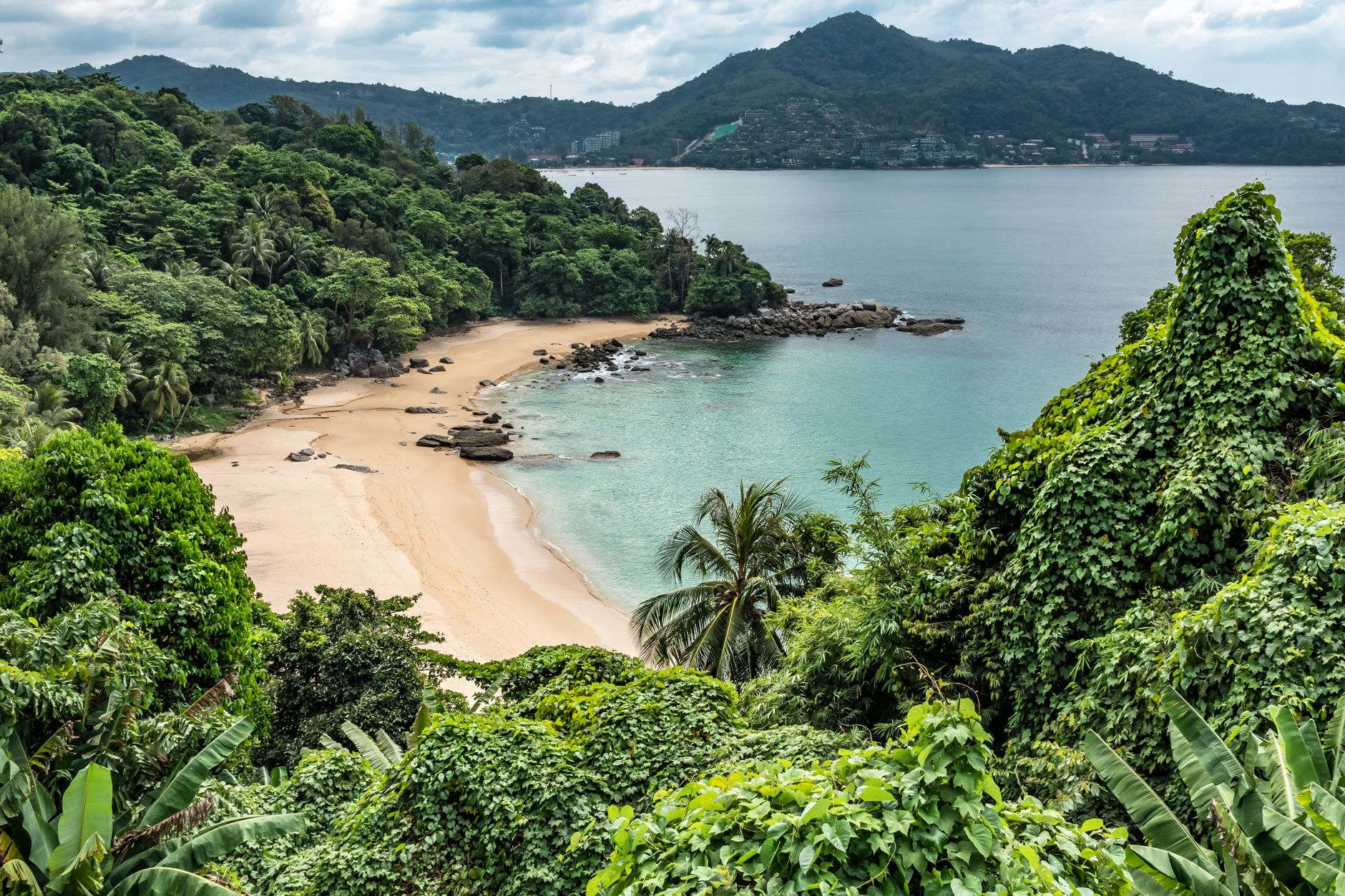
Choosing where to buy property in Thailand as a foreigner comes down to three honest questions: What can you legally own? What will it cost? And does the lifestyle match your plan? The direct answer is that Phuket's Bang Tao and Kamala lead on rental yield for holiday lets, Bangkok's Sukhumvit suits long-term residents and remote workers, and Koh Samui's Bophut offers a quieter, lower-cost entry. Each area carries different risks. This guide gives you the numbers, the trade-offs, and a clear fit-or-no-fit verdict for each.
As a foreign buyer, your most practical ownership route in Thailand is a condominium freehold under the Condominium Act, which allows foreigners to own up to 49% of total floor area in any registered building outright. Land cannot be owned directly; leasehold structures (typically 30 years, sometimes with two renewal options) are the standard workaround for villas and houses. Always instruct an independent Thai lawyer before signing anything.
Quick answer
- Bang Tao, Phuket - indicative price THB 80,000 to 200,000 per sqm (as of 2026, market estimates), strongest short-stay rental demand
- Kamala, Phuket - quieter than Bang Tao, boutique resale market, indicative THB 90,000 to 160,000 per sqm
- Sukhumvit, Bangkok - best infrastructure and liquidity, indicative THB 120,000 to 280,000 per sqm, long-term tenant base
- Sathorn, Bangkok - office-district premium, slightly lower rental vacancy than Sukhumvit mid-range
- Bophut, Koh Samui - most affordable sea-area entry on this list, indicative THB 50,000 to 110,000 per sqm, quieter lifestyle
- Rawai/Nai Harn, Phuket - best value in Phuket for retirees, weaker short-term rental demand than the northwest coast
- Chaweng, Koh Samui - highest footfall on Samui, also the noisiest and most oversupplied in the budget segment
- Foreign freehold quota and title deed type (chanote is the gold standard) are non-negotiable checks before any offer
Options and scenarios
Is Bang Tao good for investment?
Bang Tao sits on Phuket's northwest coast and covers a long, relatively uncrowded beach backed by a golf course and a cluster of high-end hotels. It attracts families, couples on week-long holidays, and a growing segment of remote workers on monthly stays. Rental management companies report occupancy rates of 65 to 80% in high season (November to April), dropping to 40 to 55% in the green season (May to October), per market estimates for 2025 to 2026.
Indicative condominium prices run from THB 80,000 per sqm for an older project away from the beach to THB 200,000 per sqm for a branded or beachfront unit. Gross rental yields in the 5 to 7% range are frequently quoted; net yields after management fees (typically 20 to 30% of revenue), maintenance, and sinking fund contributions are closer to 3.5 to 5.5%.
Who should buy here: Buyers who want a short-term holiday rental unit with professional management, and who can hold through a quiet low season without needing the income.
Who should not buy here: Buyers expecting stable year-round occupancy, or those on a tight budget. New supply is significant; check how many units in your target building compete in the same rental pool before committing.
Is Kamala right for a quieter Phuket purchase?
Kamala sits between busy Patong to the south and Surin to the north. The beach is smaller and the village has a genuine community feel. Luxury villa leasehold development is active here, and a small number of boutique condominiums are available as freehold.
Indicative prices range from THB 90,000 to 160,000 per sqm for condominiums. Villas on leasehold land range widely by plot size and finishing quality. Kamala attracts longer-stay visitors and upscale tourists, which can support more stable rental rates per night than the budget segment in Patong, but overall demand volume is lower.
Who should buy here: Buyers who want a Phuket address with less noise and fewer tourists on the street, and who prioritise lifestyle over maximum yield.
Who should not buy here: Buyers who need high rental occupancy to service financing or generate significant income. Kamala's rental market is thinner than Bang Tao's.
Surin and Layan: premium beach access at a price
Surin and Layan are immediately north of Bang Tao and are the reference points for Phuket's highest-end freehold condominiums and branded villa residences. Indicative prices for quality freehold units start at THB 150,000 per sqm and reach above THB 300,000 per sqm for direct sea-view branded product.
Rental yields in this segment are typically lower in percentage terms (3 to 5% gross per market estimates), but capital values have held well historically. The buyer profile here is high-net-worth individuals buying a personal holiday home first and an investment second.
Who should buy here: Buyers for whom lifestyle and capital preservation matter more than rental income, with sufficient liquidity to absorb vacancy.
Who should not buy here: Yield-focused buyers or first-time Thailand purchasers who have not yet spent time in the area.
Karon and Rawai/Nai Harn: Phuket's southern value areas
Karon is a mid-market beach town south of Patong with a long beach and a resident expat community. Indicative condominium prices run THB 60,000 to 130,000 per sqm. Rental demand is solid but less premium than the northwest coast.
Rawai and Nai Harn, at Phuket's southern tip, have the island's lowest prices in this comparison: indicative THB 50,000 to 100,000 per sqm for a reasonable condominium. The lifestyle is village-like, with good access to fresh markets, a large resident retiree community, and several international restaurants. The beaches at Rawai are not swimming beaches (the water is shallow and the bay is used for fishing boats); Nai Harn beach, a short drive away, is excellent.
Who should buy here: Retirees, remote workers, and budget-conscious buyers who want a Phuket base without the resort price tag, and who do not rely on strong rental returns.
Who should not buy here: Short-stay rental investors. Tourist density in the south is materially lower than the northwest, so rental management companies may decline to list your unit or charge higher percentage fees to justify the effort.
Bangkok Sukhumvit: the safest choice for long-term tenant demand
Sukhumvit is Bangkok's main foreign-resident corridor, running east from Asok/Nana through the BTS Skytrain network toward On Nut and beyond. Demand comes from corporate expats, professionals on Thailand Elite visas (a government long-stay programme), English-speaking retirees, and remote workers.
Indicative condominium prices: THB 120,000 to 280,000 per sqm for modern freehold units along the BTS line, as of 2026. Older or off-BTS buildings drop to THB 80,000 per sqm. Gross rental yields of 4 to 6% are achievable on well-located units; net yields after management, condo fees, and vacancy drop to 3 to 4.5%.
Sukhumvit has the best infrastructure on this list: two metro lines (BTS and MRT), international hospitals within minutes, international schools, and walkable retail. Liquidity on resale is higher than any beach destination, because the tenant and buyer pool is larger and more diverse.
Who should buy here: Buyers who want urban convenience, a long-term tenant base, and the highest resale liquidity in Thailand. Suited to remote workers, retirees moving to a city, and corporate-relocation investors.
Who should not buy here: Buyers who want a beach lifestyle. Sukhumvit has no beach. Also, buyers expecting rapid capital appreciation: Bangkok's condominium market has seen moderate price growth with pockets of oversupply, particularly in the mid-range segment below THB 150,000 per sqm.
Bangkok Sathorn: business district with premium positioning
Sathorn is Bangkok's central business district and embassy corridor, south of the Silom BTS and Lumphini MRT stations. It attracts senior professionals, diplomats, and high-end long-term renters. Indicative prices range from THB 150,000 to 300,000+ per sqm for premium freehold condominiums.
Rental vacancy in quality Sathorn buildings is generally lower than the Bangkok average, because corporate tenants on fixed-term contracts are less price-sensitive. However, the purchase price reflects this premium.
Who should buy here: Buyers targeting corporate or diplomatic tenants, and those who want a prestige Bangkok address with good capital preservation.
Who should not buy here: Budget-conscious buyers or those seeking high-volume short-term rentals. Airbnb-style lets in Bangkok face regulatory risk; short-stay rentals in condominiums are technically restricted under Thailand's Hotel Act, though enforcement has been inconsistent.
Bangkok Ari: the local-lifestyle alternative
Ari is a mid-town BTS neighbourhood (Ari station, on the Sukhumvit line) that has evolved into a popular area for younger Thai professionals, digital nomads, and long-term foreign residents who want a less touristy experience than Sukhumvit. It has strong cafe culture, good Thai food, and a walkable street grid.
Indicative prices: THB 100,000 to 180,000 per sqm. Rental demand comes from long-term residents rather than short-stay tourists. Yields are in a similar range to Sukhumvit.
Who should buy here: Buyers who want a Bangkok lifestyle unit primarily for personal use or a stable long-term tenant, at a slightly lower price point than prime Sukhumvit.
Who should not buy here: Investors prioritising short-term rental income or maximum tenant choice.
Bophut and Maenam, Koh Samui: quieter island alternative
Koh Samui's north coast - Bophut and Maenam - offers a different profile from Phuket. Prices are lower, the pace is slower, and the tourist infrastructure is less developed. Bophut has a small but pleasant 'Fisherman's Village' strip with restaurants and boutiques. Maenam is quieter still, with a long beach and a large resident retiree community.
Indicative condominium prices: THB 50,000 to 110,000 per sqm. Villas on leasehold land are available at a wide range depending on size and condition. Samui airport (USM) has direct flights to Bangkok (1 hour), and connects internationally via Bangkok.
Samui receives heavy rainfall from October to December - the island's rainy season is inverse to Phuket's. This affects rental demand timing differently: Samui's peak runs roughly from January to August, with October and November as very quiet months.
Who should buy here: Retirees and long-term residents who prefer a slower pace and lower costs than Phuket, and who can tolerate a less liquid resale market.
Who should not buy here: Buyers who need to sell within 5 years. Samui's resale market is significantly thinner than Phuket's or Bangkok's. Also, buyers who want a reliable short-term rental income stream: management infrastructure on Samui is less developed than Phuket.
Chaweng and Lamai, Koh Samui: higher footfall, more risk
Chaweng is Samui's busiest strip - bars, clubs, shopping, and tourist hotels. It has the highest visitor volume on the island but also the most budget accommodation competition for rental units. Lamai is slightly less busy and slightly more family-oriented.
Indicative prices in Chaweng: THB 60,000 to 130,000 per sqm. The risk of oversupply in the sub-THB 3 million unit segment is real. Noise is a significant lifestyle factor: Chaweng's entertainment area operates late.
Who should buy here: Buyers targeting the tourist rental market who have done specific due diligence on their building's rental performance data.
Who should not buy here: Anyone buying for personal use as a quiet retirement or lifestyle home. Chaweng is not quiet.
Comparison table
| Area | Indicative price/sqm (2026 estimate) | Primary rental tenant | Rainy/quiet season | Beach access | Hospital/school access | Freehold condo available |
|---|---|---|---|---|---|---|
| Bang Tao, Phuket | THB 80k to 200k | Holiday short-stay | May to Oct | Excellent | Good (Phuket International Hospital ~25 min) | Yes |
| Kamala, Phuket | THB 90k to 160k | Upscale longer-stay | May to Oct | Good | Good | Yes (limited supply) |
| Surin/Layan, Phuket | THB 150k to 300k+ | High-net-worth holiday | May to Oct | Excellent | Good | Yes |
| Rawai/Nai Harn, Phuket | THB 50k to 100k | Retiree/long-stay | May to Oct | Moderate (no swim beach at Rawai) | Good | Yes |
| Sukhumvit, Bangkok | THB 120k to 280k | Corporate/expat long-term | No beach season | None | Excellent (multiple hospitals on BTS line) | Yes |
| Sathorn, Bangkok | THB 150k to 300k+ | Corporate/diplomatic | No beach season | None | Excellent | Yes |
| Ari, Bangkok | THB 100k to 180k | Long-term resident | No beach season | None | Good | Yes |
| Bophut/Maenam, Samui | THB 50k to 110k | Retiree/long-stay | Oct to Dec | Good | Limited (Bangkok Hospital Samui ~15 min) | Yes (limited) |
| Chaweng, Samui | THB 60k to 130k | Tourist short-stay | Oct to Dec | Good | Limited | Yes |
Risks and mistakes
Buying off-plan from an undercapitalised developer. Thailand has no mandatory developer escrow or state-backed buyer protection fund equivalent to what exists in some European markets. Your stage payments go directly to the developer. Research the developer's completed projects before paying a deposit. Ask for references from buyers in their finished buildings.
Ignoring the freehold quota. If more than 49% of a condominium building's floor area is already Thai-owned by foreigners, you cannot legally take freehold title even if the developer tells you otherwise. Always verify the current foreign quota status with the Land Department before signing.
Leasehold structures without legal advice. A 30-year lease is the maximum registerable term under Thai law. 'Options to renew' written into a lease are not automatically enforceable against a future landowner. Have an independent Thai lawyer review any leasehold structure.
Underestimating transfer costs. At the Land Department, total transfer-related fees and taxes typically run 2 to 6% of the registered value, split between buyer and seller by negotiation. Budget for this in your acquisition cost.
FET slip errors (Foreign Exchange Transaction). When you transfer money from overseas to buy a Thai condominium, the receiving Thai bank must issue a Foreign Exchange Transaction form (FET, sometimes called a Thor.Tor.3). This document proves the money was imported as foreign currency and is your legal evidence to repatriate sale proceeds later. If it is missing or incorrectly issued, you may not be able to take your money out of Thailand when you sell. This is one of the most common and costly mistakes foreign buyers make.
Seasonal occupancy modelling. Phuket's green season (May to October) and Samui's rainy season (October to December) are real dead periods, not marketing language. Budgeting for 12 months of high-season occupancy will produce wrong yield calculations.
Construction noise corridors. Bang Tao and Rawai/Nai Harn both have active construction zones as of 2026. Inspect the area around any building you consider purchasing. Noise from a neighbouring site can affect rental occupancy and your own quality of life for one to three years.
Short-term rental legality in Bangkok. Renting a condominium unit for less than 30 days at a time is technically a hotel operation under the Hotel Act and is not permitted in standard residential condominiums. Enforcement has historically been inconsistent, but the legal risk is real. Factor this in if your Bangkok investment strategy relies on short-stay income.
Chanote title versus lesser title types. The chanote (NS4J) is the gold-standard Thai title deed, with GPS-surveyed boundaries registered at the Land Department. Lesser title types (Nor Sor 3, Sor Kor 1) carry boundary and ownership uncertainty. For any condominium, confirm the building sits on chanote land. For any leasehold villa, insist on chanote.
Sinking fund and maintenance fees. Every condominium charges a one-time sinking fund (a capital reserve paid at purchase, typically THB 500 to 1,000+ per sqm) and an ongoing monthly common area maintenance fee. These are not optional and are often not prominently disclosed in developer brochures. Budget for them.
FAQ
Which area of Thailand offers the best rental yield for foreign buyers in 2026?
Bang Tao and Kamala in Phuket produce the strongest gross rental yields, with indicative figures of 5 to 7% gross for managed holiday-let units, per market estimates. Net yields after management fees and vacancy are typically 3.5 to 5.5%. Bangkok Sukhumvit offers more stable but slightly lower net yields (3 to 4.5%) from long-term tenants. No area in Thailand guarantees yield; always model low-season vacancy before committing.
Can a foreigner buy property freehold in Thailand?
Yes, but only a condominium unit, and only if the building's foreign ownership quota (49% of total floor area) has not been reached. Foreigners cannot own land freehold. Villa and house purchases typically use 30-year registered leasehold structures. Always verify the quota and the title deed type with a Thai lawyer before paying a deposit.
Phuket or Koh Samui for retirement?
Phuket has better infrastructure: more international hospitals, international schools, a wider expat community, more flight connections, and a more developed property resale market. Koh Samui (particularly Bophut and Maenam) offers lower prices and a quieter pace, but healthcare options are limited compared to Phuket, and resale liquidity is thinner. If you need reliable medical access or foresee selling within 10 years, Phuket is the safer retirement choice.
What is a chanote and why does it matter?
A chanote (formal Thai: Nor Sor 4 Jor, or NS4J) is the highest-grade Thai title deed. It has GPS-surveyed boundaries registered at the Land Department and gives the strongest proof of ownership. Lower-grade title documents carry risks of boundary disputes and ownership uncertainty. For any property purchase - freehold condominium or leasehold villa - confirm the underlying land has chanote title.
What is an FET slip and do I need one?
An FET (Foreign Exchange Transaction) form, sometimes called a Thor.Tor.3, is issued by a Thai bank when you transfer foreign currency into Thailand for a property purchase. It records the incoming transfer and proves the funds originated overseas. You need this document to legally repatriate the proceeds when you sell. If your bank does not issue it, or issues it incorrectly, get it corrected immediately. Missing FET documentation is one of the most frequent and damaging errors foreign condominium buyers make.
Is Bangkok or Phuket better for long-term capital growth?
Historically, well-located Bangkok condominiums on BTS or MRT lines have shown steadier capital value than beach-resort units, partly because the tenant and buyer pool is larger and less dependent on one industry. Phuket has seen strong price growth in the luxury segment (Surin, Layan, Bang Tao) but also notable oversupply in the budget-to-mid segment. Neither market guarantees appreciation. Buy for a use case you can sustain even if prices stay flat for five years.
What fees and taxes apply when buying a Thai condominium?
At the Land Department, the main costs are: transfer fee (2% of appraised value, typically split with the seller), specific business tax (3.3% of appraised or sale value, paid if the seller has owned less than 5 years) or stamp duty (0.5%, if SBT does not apply), and withholding tax (on the seller's gain). As a buyer, your direct Land Department cost is commonly 1 to 2% of the registered value, but the split is negotiated. Legal fees for an independent lawyer typically run THB 30,000 to 80,000 per transaction depending on complexity. Always get a written cost breakdown before signing.
Is Rawai a good place to retire in Phuket?
Rawai is a practical choice for retirees who want to live in Phuket without paying northwest-coast prices. The area has a large resident retiree community, fresh markets, established restaurants, and reasonable access to Phuket's main hospitals (30 to 40 minutes by car). The beach at Rawai itself is not suitable for swimming, but Nai Harn beach is a short drive south. Rental income potential is lower than Bang Tao, so Rawai suits buyers who will use the property themselves rather than rely on rental returns.
How bad is the rainy season in Phuket and Samui?
Phuket's low season runs May to October. Rain does not fall continuously; typical patterns are afternoon or evening showers. The sea can be rough, and some beach facilities close. Rental demand drops significantly. Samui's rainy season is different: October and November are the wettest months, with occasionally severe storms. A Samui property can see two or three months of very low tourist traffic. Budget for this before projecting annual income.
Should I use a Thai company to buy property instead of a leasehold?
Using a Thai limited company to hold land was historically suggested as a workaround for foreign ownership restrictions. Thai authorities have scrutinised this structure for many years, and a company that exists solely to hold land for a foreign individual carries legal risk. This guide does not recommend any structure that circumvents Thai property law. Always take independent legal advice from a qualified Thai lawyer before choosing any ownership structure.
Planning a property purchase in Thailand? Send us your requirements - the THAI.ESTATE team will reply with specific options and a safety checklist for your case.