Editorial
Best Areas in Thailand for Foreign Buyers 2026: A District Guide
By THAI.ESTATE Editorial Team15 min read
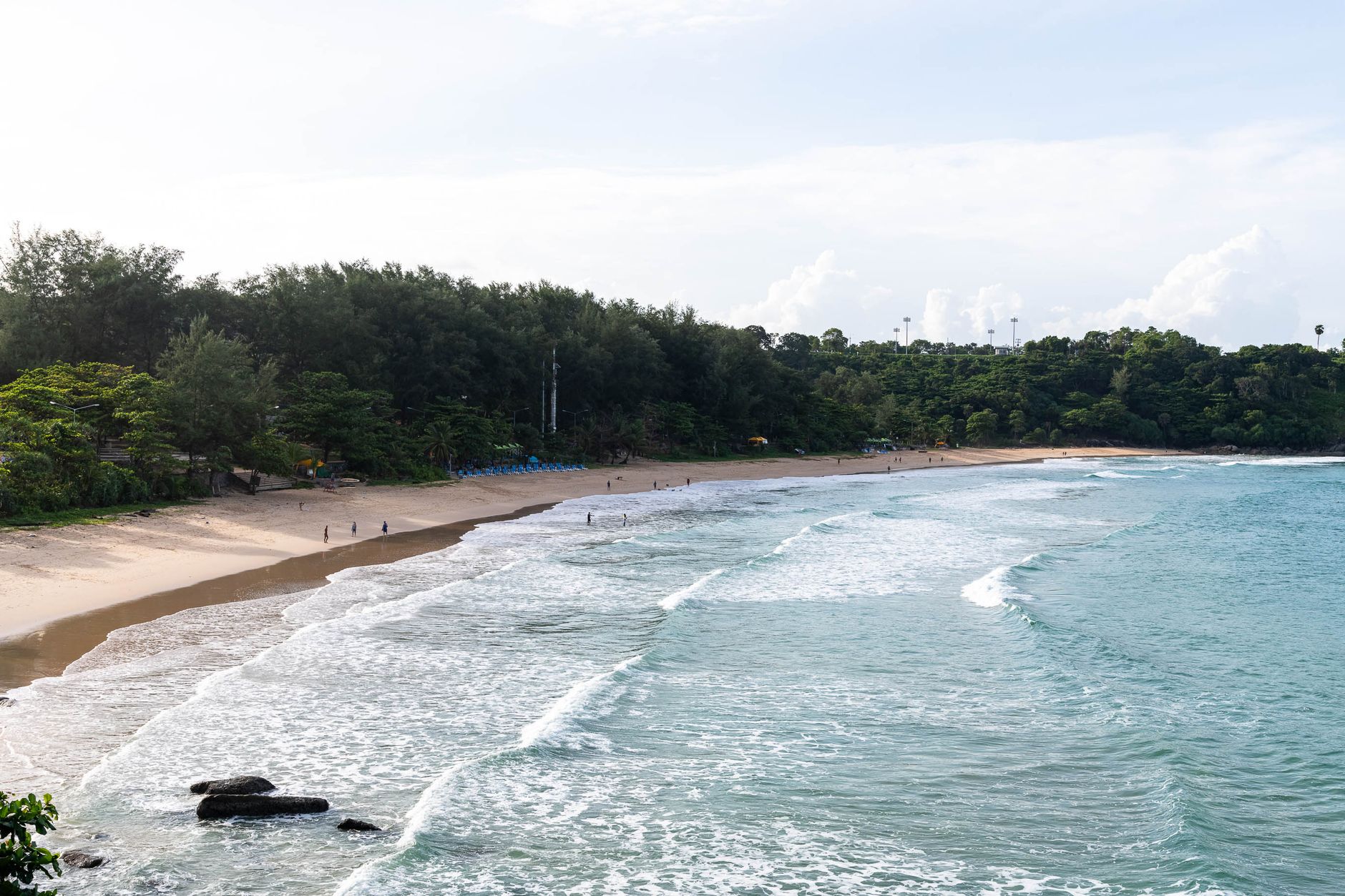
Choosing where to buy property in Thailand depends on three things: your lifestyle, your legal path to ownership, and what the rental market in that area actually looks like. There is no single best location. Phuket suits a buyer who wants holiday-rental income and beach access. Bangkok suits a buyer who wants a city base with stable long-term tenants. Koh Samui suits a buyer who wants lower entry prices but accepts thinner liquidity.
This guide compares the most active districts for foreign buyers as of 2026, using indicative price-per-square-metre figures, rental demand profiles, and honest trade-offs. All price data is drawn from market estimates current to early 2026.
Quick answer
- Phuket is the highest-volume market for foreign condominium buyers in Thailand as of 2026, with freehold units (foreign-quota condos) in Bang Tao and Layan ranging from roughly 80,000 to 180,000 THB per sq m (market estimates, early 2026)
- Bangkok (Sukhumvit, Sathorn) offers the strongest long-term rental demand from expats and corporate tenants, with mid-range freehold condos priced at approximately 100,000 to 220,000 THB per sq m in prime corridors
- Koh Samui has the lowest entry prices of the three destinations, with freehold condos in Bophut and Maenam starting near 60,000 THB per sq m, but liquidity and resale speed are notably lower
- Foreigners can own a condominium unit outright (freehold) under the Condominium Act, provided no more than 49% of a building's total floor area is foreign-held
- Land cannot be owned directly by most foreigners; alternatives include a 30-year lease (leasehold) with optional renewal clauses, or a Thai company structure - each carries legal risk that requires specialist advice
- Rental yields vary from 4% to 8% gross depending on area, management model, and occupancy - treat any figure above 7% as aspirational unless backed by audited accounts
Options and scenarios
Phuket: Bang Tao, Layan, Kamala, Surin, Karon, Rawai, Nai Harn
Phuket is a large island with distinct micro-markets. Understanding each district prevents you from buying into the wrong one for your goals.
Bang Tao and Layan sit on the northwest coast and share a long beach. These districts attract the highest-spending holidaymakers and a growing number of remote workers and long-stay families. International schools operate nearby. Healthcare is accessible via the island's main private hospitals in Phuket Town and Cherng Talay. New condominium supply is heavy here - oversupply risk is real in the branded-residence segment above 150,000 THB per sq m. If you are buying for resale within five years, oversupply in this bracket is a genuine risk. Indicative freehold condo prices: 100,000 to 180,000 THB per sq m (market estimates, early 2026). Gross rental yields for well-managed short-stay units: 5% to 7%.
Kamala and Surin are quieter than Bang Tao, with a mix of boutique resorts and low-rise condominiums. Surin's beach is narrower and disappears during the May-to-October southwest monsoon. This is a seasonal dead zone for short-term rental income - plan for as little as three to four strong booking months per year if you rely on beachfront proximity as your selling point. Indicative freehold condo prices: 90,000 to 150,000 THB per sq m (market estimates, early 2026).
Karon is a mid-island beach district with a long-established tourist infrastructure. It tends to attract mid-range holiday renters rather than premium guests. New supply is lower than Bang Tao, but rental rates are also lower. A reasonable choice for a buyer who wants stable occupancy over premium yield. Indicative freehold condo prices: 70,000 to 110,000 THB per sq m (market estimates, early 2026).
Rawai and Nai Harn are in Phuket's south. These districts attract retirees and long-stay expats rather than short-term holidaymakers. Daily life is more local - markets, seafood restaurants, and quieter roads. Walkability is limited; a car or motorbike is essential. Rental demand is steady but lower-volume than the northwest. A good fit for a buyer who plans to spend time here personally. Indicative freehold condo prices: 60,000 to 100,000 THB per sq m (market estimates, early 2026).
Airport access: Phuket International Airport is roughly 30 to 45 minutes from Bang Tao, and around 60 to 75 minutes from Rawai - a real difference for frequent travellers.
Construction noise corridors: Bang Tao and the Laguna zone have active construction across multiple project phases as of 2026. If you are buying off-plan, inspect the surrounding land parcels before signing.
Who should buy in Phuket: Buyers seeking short-term holiday rental income, buyers who want beach access as a primary lifestyle feature, and buyers targeting a recognisable international market for eventual resale.
Who should not buy in Phuket: Buyers who need year-round rental income without accepting seasonal volatility, buyers with a budget under 3 million THB (quality freehold supply in that range is thin), and buyers who need immediate walkable urban amenities.
Koh Samui: Bophut, Maenam, Lamai, Chaweng
Koh Samui is a smaller island in the Gulf of Thailand, served by a private airport (Samui Airport) with direct regional connections. The island's charm is real, but so are its structural limitations for property buyers.
Bophut and Maenam are on the north shore and attract digital nomads, retirees, and long-stay Europeans. The Fisherman's Village area in Bophut has a genuine walkable strip. Rental demand is steadier year-round here than on Phuket's west coast because the Gulf side's monsoon runs from October to December - shorter than Phuket's. Indicative freehold condo prices: 60,000 to 90,000 THB per sq m (market estimates, early 2026).
Chaweng is the busiest commercial district, with the most tourist footfall. Short-term rental income potential is higher, but so is noise, traffic, and competition from a large supply of hotel rooms and guesthouses. Resale liquidity is better than quieter areas, but the quality of the buying environment is noisier. Indicative freehold condo prices: 70,000 to 110,000 THB per sq m (market estimates, early 2026).
Lamai sits between the bustle of Chaweng and the quiet south. It is popular with retirees and couples. Prices are moderate and new supply is limited. A reasonable middle-ground option if you want beach access without the Chaweng crowds.
Healthcare: Samui has private hospitals, but for major procedures most residents travel to Bangkok or Phuket. This is a material consideration for retirees.
International schools: Limited. One or two international programmes operate on the island as of 2026, but families with school-age children typically find Bangkok or Phuket more practical.
Samui Airport is privately operated and flight prices are higher than equivalent distances using public airports. Factor this into your occupancy projections if you are buying for short-term rental.
Who should buy in Koh Samui: Buyers with a lower entry budget who accept lower liquidity, retirees who value a quieter island life, and buyers who already know the island well from extended stays.
Who should not buy in Koh Samui: Buyers who need fast resale options, families needing established international schools, or buyers who need reliable healthcare without inter-island travel.
Bangkok: Sukhumvit, Sathorn, Ari
Bangkok is not a beach destination, but it is Thailand's most liquid property market and its most walkable one for urban buyers.
Sukhumvit is the main expat corridor, running east from the central business district along the BTS Skytrain line. Lower Sukhumvit (roughly Nana to Thong Lo) has the densest concentration of international restaurants, healthcare, and transit. Upper Sukhumvit (Ekkamai to On Nut) offers better value per square metre with the same rail access. Long-term tenants - corporate expats, diplomats, and professionals - provide steadier occupancy than holiday-dependent markets. Indicative freehold condo prices: 120,000 to 250,000 THB per sq m in prime lower Sukhumvit (market estimates, early 2026); 80,000 to 140,000 THB per sq m in upper Sukhumvit.
Sathorn is Bangkok's financial district. Demand comes from corporate tenants on long-term leases. The BTS Silom line and MRT Blue Line converge here. Prices are firm and resale is more predictable than in leisure markets. Indicative freehold condo prices: 130,000 to 220,000 THB per sq m (market estimates, early 2026).
Ari is a neighbourhood north of the central business district along the BTS line, popular with younger Thai professionals and creative-industry workers. Foreign buyer demand is growing but supply is limited. A different buyer profile - less expat-rental oriented, more lifestyle-oriented. Walkability is genuinely good by Bangkok standards. Indicative freehold condo prices: 90,000 to 150,000 THB per sq m (market estimates, early 2026).
Gross rental yields in Bangkok prime areas typically run 4% to 6% - lower than Phuket holiday rentals, but with lower vacancy risk and no seasonal dead months.
Who should buy in Bangkok: Buyers who prioritise capital preservation and liquidity, buyers who want a city base for business travel, and buyers who prefer long-term tenants over holiday management.
Who should not buy in Bangkok: Buyers whose primary goal is beach lifestyle, buyers seeking yields above 6% (the Bangkok market does not typically support those figures in quality buildings), and buyers who dislike urban density.
Comparison table
| Parameter | Bang Tao / Layan (Phuket) | Bophut / Maenam (Samui) | Sukhumvit (Bangkok) | Rawai / Nai Harn (Phuket) |
|---|---|---|---|---|
| Price per sq m (est. 2026) | 100k - 180k THB | 60k - 90k THB | 80k - 250k THB | 60k - 100k THB |
| Primary rental tenant | Holiday / short-stay | Long-stay / retiree | Corporate expat | Retiree / long-stay |
| Gross yield range (est.) | 5% - 7% | 4% - 6% | 4% - 6% | 3% - 5% |
| Seasonal dead months | May - Oct (monsoon) | Oct - Dec (Gulf monsoon) | None | May - Oct (monsoon) |
| Airport to unit (approx.) | 30 - 45 min | 15 - 25 min | 45 - 75 min (BKK) | 60 - 75 min |
| International schools | Good (nearby) | Limited | Excellent | Limited |
| Major private hospital | 20 - 30 min | 30 - 40 min (limited) | 10 - 20 min | 25 - 35 min |
| Walkability | Low | Low to moderate | High (BTS/MRT) | Low |
| Resale liquidity | Moderate to good | Low to moderate | Good | Low to moderate |
| Oversupply risk (2026) | Moderate (branded res.) | Low | Moderate (mass market) | Low |
Risks and mistakes
Buying in the wrong legal structure. The safest ownership path for most foreigners is a freehold condominium unit under the Condominium Act, within the 49% foreign-quota limit. Leasehold and Thai-company structures are used but carry meaningful legal and tax risks. Get independent Thai legal advice before signing anything - not advice from an agent or developer's recommended lawyer.
Trusting developer yield guarantees. Guaranteed rental return programmes (often advertised at 6% to 8% for three to five years) are contractual promises from a private company, not regulated instruments. If the developer encounters financial difficulty, the guarantee may be unenforceable. Review the developer's completion track record before relying on any figure.
Ignoring the FET requirement. A Foreign Exchange Transaction (FET) certificate - also called a Thor Thor 3 form - is required for a foreign buyer to register freehold ownership of a condominium. The foreign funds must enter Thailand in foreign currency and be converted by a Thai bank. If your funds arrive incorrectly, the title transfer can be blocked. This is a common mistake and it is irreversible after the fact.
Underestimating transaction costs. Condominium transfers in Thailand typically attract a 2% transfer fee (split between buyer and seller by negotiation), a specific business tax of 3.3% if the seller has held the unit for less than five years, and withholding tax calculated on appraised value. Budget 3% to 6% of the purchase price in total transaction costs, depending on how the liability is split.
Overlooking the sinking fund and common area fees. A sinking fund is a one-time payment made at transfer to fund major repairs to the building's common property. Common area fees (CAM fees) are ongoing monthly charges for building maintenance and management. Both vary widely between projects. Confirm the actual amounts in writing before signing - they affect net yield materially.
Seasonal income planning. Holiday-rental income in Phuket and Samui is heavily concentrated in the November-to-April high season. A unit that earns well for five months may generate very little in the remaining seven. Underwriting your purchase on annualised high-season rates is a straightforward planning error.
Buying in a construction noise corridor. Bang Tao and parts of Phuket Town have multi-year construction timelines on adjacent parcels as of 2026. A resale unit with a current sea view may lose it within two years. Request the local development plan (from the project's juristic person or a local planner) before committing.
Skipping title verification. A chanote (full title deed, Nor Sor 4 Jor) is the strongest form of land title in Thailand. Lower-grade documents (Nor Sor 3, Nor Sor 3 Gor, Sor Kor 1) carry legal uncertainty. For a condominium, verify the building itself sits on chanote-grade land. Your lawyer should conduct this check with the Land Department directly.
FAQ
Can a foreigner own property freehold in Thailand?
Yes, but only for condominium units under the Condominium Act. Foreigners cannot own land directly in most circumstances. Freehold condo ownership requires the building's foreign quota (49% of total floor area) to have remaining capacity, and the purchase funds must enter Thailand as foreign currency with a proper FET certificate from a Thai bank.
Is Bang Tao good for investment?
Bang Tao has strong short-term rental demand from international holidaymakers and long-stay tenants, and it is the most recognised Phuket address in overseas buyer searches. However, new supply is high as of 2026, particularly in the branded-residence segment. Gross yields of 5% to 7% are achievable for well-managed units, but they depend on occupancy during a limited high season. It is a reasonable choice if you buy at a realistic price and manage expectations on vacancy.
Phuket or Samui for retirement?
For most retirees, Phuket offers better infrastructure: more international healthcare options, more international school choices for visiting family, better road and flight connections, and greater variety in daily life. Samui is quieter and cheaper, but its healthcare limitations are a genuine consideration as you age. If proximity to world-class medical care matters to you, Phuket or Bangkok is more practical.
What is the 49% foreign quota rule?
The Condominium Act limits combined foreign freehold ownership to 49% of a building's total registered floor area. The remaining 51% must be Thai-owned (freehold) or foreign-leasehold. If a building's foreign quota is full, a new foreign buyer can only purchase on a leasehold basis - which is a materially weaker legal position. Always confirm the current quota availability in writing before signing a reservation agreement.
What does a chanote mean for a condo buyer?
A chanote (Nor Sor 4 Jor) is the highest-grade land title in Thailand. For a condominium buyer, the relevant check is that the building's underlying land holds chanote title. The individual condo unit will have its own title document (a condo title deed issued under the Condominium Act). Your lawyer should verify both documents at the Land Department before you transfer funds.
Is Bangkok property a good investment for foreigners in 2026?
Bangkok offers the most liquid resale market and the most stable long-term rental demand of any Thai city. Prime districts like Sukhumvit and Sathorn attract corporate and diplomatic tenants with multi-year leases. Gross yields are typically lower than Phuket holiday rentals (4% to 6%) but vacancy risk is lower. If capital preservation and steady income matter more to you than maximising yield, Bangkok is worth serious consideration.
What is an FET certificate and why does it matter?
A Foreign Exchange Transaction (FET) certificate - sometimes called a Thor Thor 3 form - is issued by a Thai bank when it converts incoming foreign currency into Thai baht for a property purchase. The Land Department requires this document to register freehold title in a foreigner's name. If you transfer funds from a Thai baht account, or in a way that bypasses the FET issuance process, title registration can be refused. There is no practical way to fix this error after it has occurred.
How much are transaction costs when buying a condo in Thailand?
Budget approximately 3% to 6% of the purchase price. The main components are: a 2% transfer fee (split by negotiation), a 3.3% specific business tax if the seller has held the unit under five years (or a lower withholding tax if held longer), and stamp duty. Allocation between buyer and seller is negotiable. Confirm the split in the sale and purchase agreement before signing.
What is a sinking fund?
A sinking fund is a one-time payment collected at the point of transfer, paid into a building reserve used for major repairs - roof replacement, lift overhaul, facade maintenance, and similar capital works. It is not the same as the monthly common area maintenance fee. Sinking fund rates vary by project and are set by the juristic person (the building's legally registered management body). Confirm the amount before signing the purchase agreement.
Which area has the best rental yield in Thailand in 2026?
Based on market estimates for early 2026, well-managed short-term rental condos in Bang Tao and the Cherng Talay area of Phuket produce the highest gross yields, typically 5% to 7% for properties with professional holiday management. Chaweng in Koh Samui can reach similar figures during peak season but with higher annualised vacancy. Bangkok yields are steadier but lower, at 4% to 6%. Net yield - after management fees, maintenance, taxes, and vacancy - is consistently lower than gross figures by 1.5 to 3 percentage points.
Planning a property purchase in Thailand? Send us your requirements - the THAI.ESTATE team will reply with specific options and a safety checklist for your case.