Editorial
Bangkok Resale vs New Condo: Foreign Buyer Entry Timing in 2026
By THAI.ESTATE Editorial Team14 min read
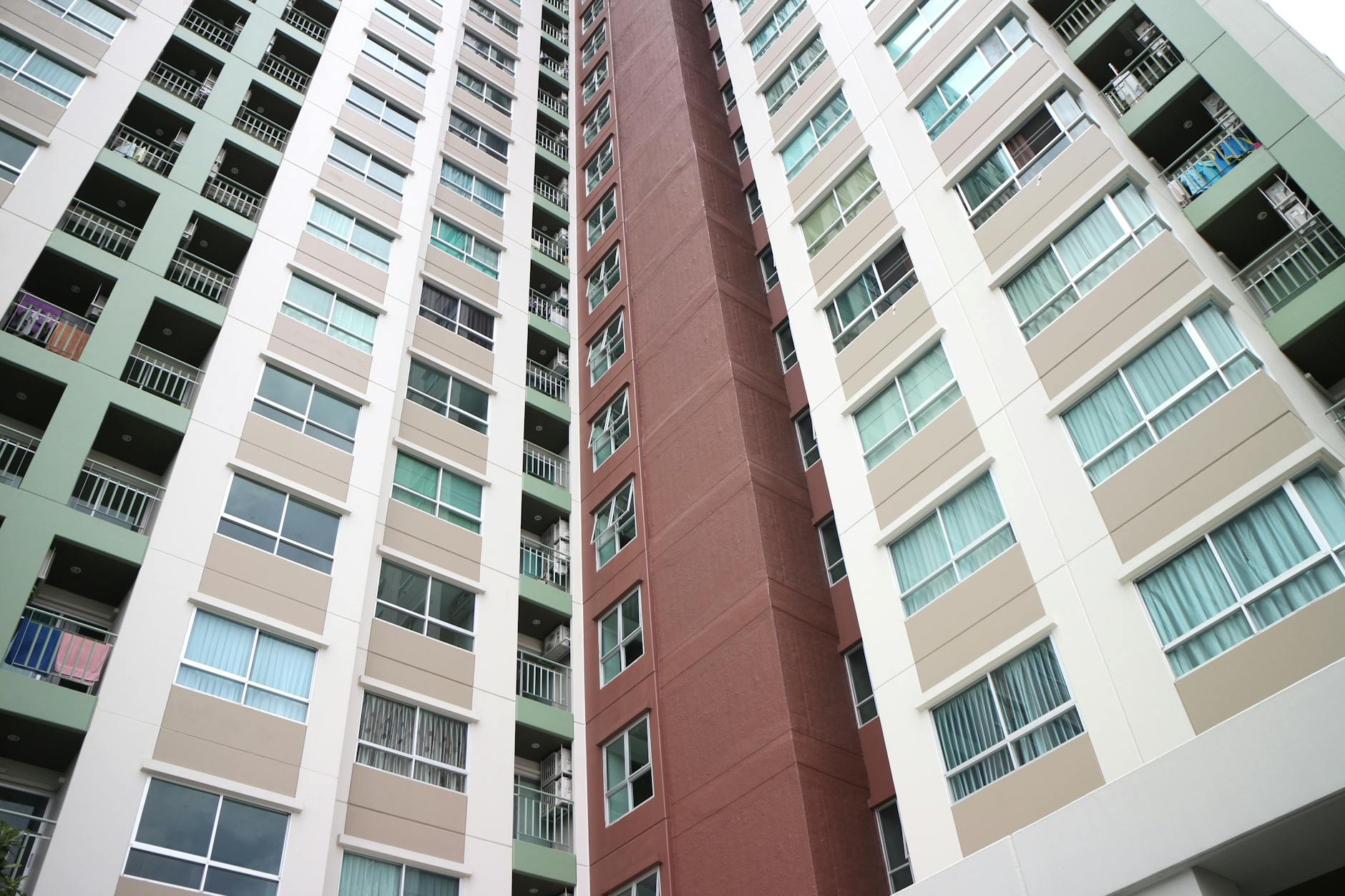
Bangkok's resale condo segment is outpacing expectations. Per the Real Estate Information Center (REIC), Q2 2026 saw a 39.4% year-on-year rise in condo transfers and a 41% increase in total transfer value in the second-hand market. At the same time, Thailand ranks second in Asia-Pacific for branded-residence pipeline growth, per Savills data cited in September 2026. These two trends pull in opposite directions for a foreign buyer: affordable, income-driven resale activity on one side, prestige-driven new supply on the other.
The honest answer is that neither segment is universally better. Which one suits you depends on your budget, your exit timeline, your tolerance for liquidity risk, and whether you intend to rent the unit or hold it for capital appreciation. This guide breaks both segments down with enough detail to let you form a defensible view before you spend money.
Quick answer
- Resale condos in Bangkok currently offer lower entry prices, faster transaction timelines, and visible rental histories - at the cost of older common areas and less marketing support on resale.
- New-launch condos, especially branded residences in the pipeline, carry prestige and developer marketing reach but come with a 2-4 year construction wait, a higher per-square-metre price, and significant completion risk.
- REIC Q2 2026 data shows the resale segment is moving: a 39.4% transfer-volume jump signals real buyer activity, not speculative paper flips.
- Thailand's second-place APAC ranking for branded-residence pipeline (Savills, September 2026) means new high-end supply is coming. More supply competes with your future resale exit.
- As a foreign national you may own a condo freehold (foreign quota: up to 49% of total unit area in a registered condominium building under the Condominium Act). This applies equally to resale and new units.
- Realistic net rental yields after all costs run 3-5% per year for well-located Bangkok condos in 2026, well below the 6-8% gross figures common in developer sales decks.
Options and scenarios
Option 1: Buy resale in an established Bangkok district
The resale market is driven by affordability right now. Income constraints among Thai buyers have pushed demand toward units priced under THB 3 million (approximately USD 85,000 at mid-2026 indicative exchange rates). Foreign buyers entering this segment face less competition from other international buyers, who tend to chase new launches.
Practical advantages are real. You see the actual unit - not a showroom mock-up. You can inspect the building's common areas, review the juristic-person accounts (the juristic person is the legal management body of a condominium building, responsible for maintenance, fees, and common-area decisions), and confirm the existing tenant history if the unit is already rented.
Disadvantages are also real. Older buildings (15-plus years) can carry deferred maintenance. Sinking funds - the reserve account that pays for major repairs like roof replacement or lift overhaul - are sometimes underfunded in second-hand buildings. Ask the juristic person for audited accounts covering at least the past two years.
Entry prices in established Bangkok districts - Sukhumvit, Silom, Ratchada, On Nut - for resale units of 30-50 sqm range from roughly THB 2.5 million to THB 8 million as of 2026 market estimates, depending on building age, floor, and fitout quality. These are indicative ranges; individual units vary widely.
Option 2: Buy a new-launch condo in a mid-market Bangkok project
New mid-market launches (THB 80,000-150,000 per sqm, indicative 2026 figures) target both Thai upgraders and regional foreign buyers. You pay more per square metre than resale but receive a fresh title deed (chanote - Thailand's highest grade of land title, equivalent to freehold ownership), a developer warranty period, and a unit that requires no immediate capital expenditure.
The construction risk is the primary concern. Off-plan purchases in Thailand require staggered payments tied to construction milestones. If the developer faces financial difficulty, your recourse is limited. Thailand does not operate escrow accounts for property buyers in the traditional sense; your deposit and stage payments go directly to the developer or a developer-controlled account. Research the developer's completion record before committing.
Expect a 2-4 year wait from launch to handover. During that period, the Bangkok market can shift. The resale surge documented in Q2 2026 tells you that buyers who need to exit quickly are already competing in a market that has more units coming.
Option 3: Buy a branded residence (new or pre-launch)
Thailand's position as APAC's second-largest branded-residence pipeline market (Savills, September 2026) means you have real choice here. Branded residences are units affiliated with an international hotel or hospitality brand. They carry the brand's design standards and, in some cases, access to hotel services.
Per-square-metre prices for branded residences in Bangkok run 20-50% above comparable non-branded new launches, per market estimates. The premium reflects brand licensing fees, higher specification, and the expectation of stronger resale demand from buyers who value the brand.
The yield reality is less flattering. If the unit enters a hotel rental pool, the operator takes a management cut (often 30-50% of gross room revenue, per typical operator terms in 2026). Net returns to the owner after hotel fees, maintenance, and vacancy frequently land below 4% annually. If the brand association weakens or the hotel management contract ends, the premium on resale may not hold.
Guaranteed-rental programs are common in this segment. A developer or operator guarantees you, say, 6% gross per year for five years. Read what the guarantee actually covers. Common exclusions include the sinking fund, building insurance, and utility pass-throughs. The guarantee is often funded by loading it into the purchase price - meaning you paid for it upfront and it is not free income.
Option 4: Wait and monitor the new supply impact
The pipeline data from Savills suggests more branded and premium supply is entering the Bangkok market over the next 3-5 years. If that supply lands in districts where you are considering buying, it will compete directly with your unit at resale. Waiting to see how absorption plays out is a legitimate strategy, but it carries opportunity cost if resale prices in your target district continue to firm.
The Q2 2026 REIC data showing a 39.4% transfer-volume increase suggests the resale market is already absorbing inventory. Whether this pace continues into 2027 and beyond is uncertain. Treat it as a market signal, not a trend guarantee.
Comparison table
| Parameter | Resale condo | New mid-market launch | Branded residence (new) |
|---|---|---|---|
| Typical entry price (30-50 sqm, indicative 2026) | THB 2.5M-8M | THB 3.5M-9M | THB 6M-20M+ |
| Per-sqm premium vs resale | Baseline | +15-30% | +40-80% |
| Wait for possession | 1-3 months | 2-4 years | 2-5 years |
| Construction/completion risk | None (existing unit) | Moderate | Moderate to high |
| Visible rental history | Often available | None | None |
| Realistic net yield (as of 2026 estimates) | 3-5% | 3-5% | 2-4% after operator fees |
| Advertised gross yield (developer figures) | N/A | 5-8% | 6-10% |
| Juristic-person financials available | Yes - request them | No (building not complete) | Partial after handover |
| Foreign quota freehold available | Yes (up to 49% of building) | Yes (up to 49% of building) | Yes (up to 49% of building) |
| Liquidity at resale | Moderate - depends on building | Developer re-sale support initially, then market | Brand premium supports demand, but buyer pool is narrower |
| Key downside | Older building, possible deferred maintenance | Completion risk, market shift during wait | High entry cost, operator fee drag, guarantee may be priced in |
Risks and mistakes
Trusting the gross yield headline. A developer or agent quoting 7% yield is quoting gross: rental income divided by purchase price, before any costs. Real costs in Bangkok condos include common-area fees (CAM fees, typically THB 35-80 per sqm per month in 2026, indicative), a sinking fund contribution on purchase (often THB 500-700 per sqm, one-time, indicative), property management fees if you use an agent (8-12% of rental income, typical 2026 terms), platform commissions if you use short-term rental channels (15-20%), repairs, and vacancy. Strip those out and 7% gross becomes 3.5-4.5% net in a realistic scenario.
Ignoring the foreign quota position. A building where the foreign quota (49% of total unit area) is already full cannot transfer a unit to you on a freehold basis. Always verify the remaining quota with the juristic person or at the local land office (Krom Thi Din) before signing anything. This applies to resale and new units equally.
Assuming short-term rentals are legal everywhere. Bangkok condominiums are generally classified as residential buildings. Operating a de-facto hotel - renting units for fewer than 30 days - requires a hotel license under the Hotel Act. Most Bangkok condo buildings do not hold this license. Renting your unit on short-term platforms without the correct licensing exposes you, the building management, and the tenant to legal and regulatory risk. Long-term rentals (monthly and above) are the standard legal model for Bangkok condos. Factor this into your yield model.
Underestimating new supply competition at exit. Thailand's APAC second-place position in branded-residence pipeline (Savills, September 2026) is a direct signal that premium inventory is growing. If you buy in a district where significant new supply will deliver in 3-4 years, your resale will compete against brand-new units. Resale discount pressures are real in over-supplied sub-markets.
Accepting a guaranteed-rental program without reading the contract. The guarantee period (often 5-7 years) sounds like security. It is not free. Common structures charge back to you: maintenance costs, building fees, and sometimes utility shortfalls. The guaranteed rate is frequently funded from your purchase price margin. When the guarantee period ends, the developer has no further obligation, and the underlying rental demand may not support the headline rate.
Skipping legal due diligence on the chanote. A chanote is Thailand's highest-grade land title document. Even with a chanote, a resale unit can carry encumbrances: mortgages, liens, or disputes registered against the title. Engage a licensed Thai property lawyer - not the developer's in-house counsel - to search the title at the land office before transferring funds.
Misjudging the transfer-cost split. Standard Bangkok condo transfer costs total roughly 2-3% of the assessed value (transfer fee, stamp duty, and withholding tax), split between buyer and seller by negotiation. In a hot resale market, sellers push more costs onto buyers. Confirm the split in writing before signing the sale agreement.
Currency and remittance exposure. If you are buying with foreign currency, Thailand requires you to document inbound funds for amounts above USD 50,000 via a Foreign Exchange Transaction form (FET form, sometimes called a Thor Tor 3 form). The FET form is the evidence that funds originated abroad - you need it to repatriate sale proceeds later. Missing this step at the time of purchase complicates your future exit.
FAQ
Can a foreign buyer own a Bangkok resale condo freehold?
Yes. Under the Condominium Act, foreign nationals may own condominium units freehold in their own name, subject to the foreign quota: foreigners collectively cannot hold more than 49% of the total unit area in any one registered building. Both new and resale units in quota-compliant buildings are eligible. Verify the available quota before signing.
What does the 39.4% jump in Bangkok condo transfers in Q2 2026 actually mean for me as a buyer?
It means more units are changing hands in the second-hand market than a year ago. Higher transaction volume generally signals liquidity - sellers can find buyers. For you as an incoming buyer, it means price discovery is active: the market is pricing units through real transactions, not just developer list prices. It does not guarantee prices will rise further; volume and price are separate metrics.
Why is the net yield so much lower than the gross figure in sales materials?
The gross yield calculation used in most developer materials divides projected annual rent by purchase price and expresses the result as a percentage. It excludes management fees, common-area charges, sinking fund, platform commissions, vacancy periods, maintenance, and insurance. When you subtract these costs - which collectively often represent 30-45% of gross rental income - the net yield drops materially. For Bangkok condos in 2026, a realistic net figure is 3-5%, not the 6-8% figures common in promotional materials.
What is the sinking fund and why does it matter for resale buildings?
The sinking fund is a reserve account that the juristic person (the building's legal management body) accumulates from owners' contributions. It pays for major capital repairs: lift replacement, roof waterproofing, facade work, and similar items. In resale buildings, if past owners or management have not contributed adequately, the fund may be insufficient. A major repair could trigger a special levy on current owners. Request the audited sinking fund balance from the juristic person before buying any resale unit.
How does Thailand's branded-residence pipeline affect my resale exit?
Thailand ranks second in APAC for branded-residence pipeline growth (Savills, September 2026). As more premium new inventory delivers over the next 3-5 years, buyers with capital to spend will have more choice. If your unit is in a similar price bracket and district, you will compete with newer, brand-affiliated product at resale. This is a structural risk for premium resale units bought today. It is less of a risk for affordably-priced units, which serve a different buyer pool.
Are guaranteed-rental programs from developers reliable?
They carry real limitations. The guarantee is a contractual obligation of the developer or operator, not a government-backed instrument. If the developer's finances deteriorate, the guarantee may not be honored. The guarantee rate is frequently funded from the purchase price margin - meaning you paid for the income stream in advance. When the guarantee period ends, rental performance reverts to market conditions. Treat a guaranteed-rental program as a marketing feature, and model the unit's performance without it before deciding to buy.
What is the FET form and why is it critical?
The Foreign Exchange Transaction form (FET form, also called a Thor Tor 3 form in some banking contexts) is issued by a Thai bank when you transfer foreign currency into Thailand for property purchase. It documents that the funds originated outside Thailand and were converted into Thai baht. You need this document to repatriate sale proceeds when you eventually sell. If you pay in Thai baht sourced onshore - for example, from a local bank account - you may not be able to move the sale proceeds abroad without difficulty. Obtain and preserve the FET form for every payment related to your purchase.
Is short-term rental legal in Bangkok condominiums?
Generally, no. Bangkok condominium buildings are registered as residential, not as hotels. Renting units for periods shorter than 30 days constitutes hotel-like activity under the Hotel Act and requires a hotel license that most condo buildings do not hold. The practical model for Bangkok condo investors is monthly or longer-term tenancies. Build your yield model on monthly rental rates, not short-term nightly rates.
What transfer costs should I budget when buying a Bangkok resale condo?
Total transfer costs at the land office run approximately 2-3% of the appraised value (the government-assessed value, which may differ from the transaction price). These costs include a transfer fee, business tax or stamp duty (depending on how long the seller has held the unit), and withholding tax on the seller's gain. The allocation between buyer and seller is negotiated. Budget 1-2% of purchase price as your share in a typical resale transaction, and confirm the split in the sale agreement.
How should I compare resale and new-launch units when both seem similarly priced?
Look beyond the headline price. For resale: check the sinking fund balance, the building's maintenance record, the juristic-person's annual accounts, and the remaining foreign quota. For new launches: check the developer's completion record on past projects, the milestone payment schedule, the construction timeline, and what the surrounding supply pipeline looks like at the projected handover date. A resale unit with audited financials and a known tenant is often a lower-risk entry than an off-plan unit at a similar price.
Planning a property purchase in Thailand? Send us your requirements - the THAI.ESTATE team will reply with specific options and a safety checklist for your case.