Editorial
Bangkok CBD Freehold Condos: Real Yields Foreign Investors Can Expect in 2026
By THAI.ESTATE Editorial Team14 min read
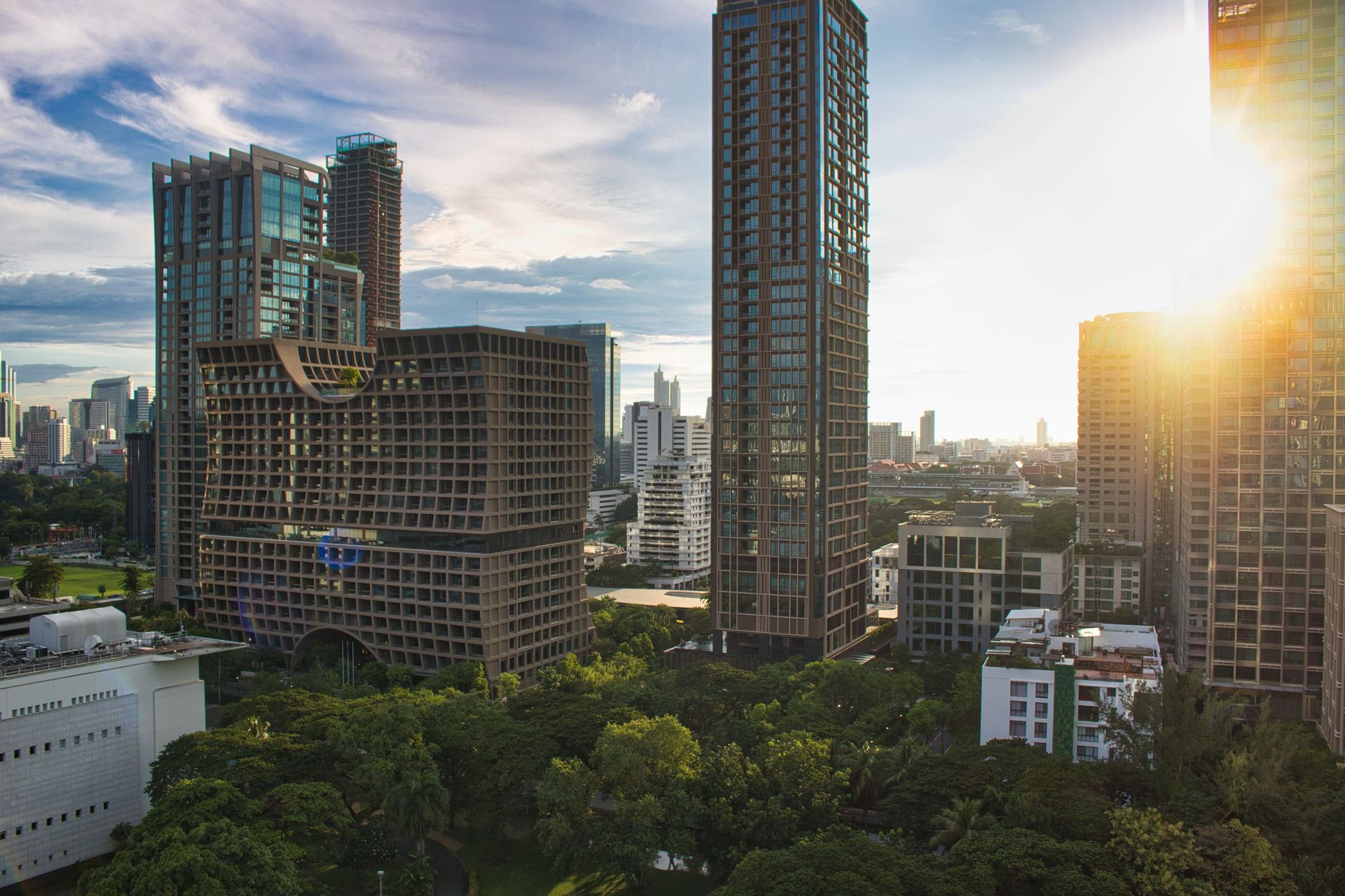
Realistic net rental yields on Bangkok CBD freehold condominiums sit in the 4.5% to 5.5% range for a well-located, professionally managed unit in 2026. The headline figure that circulates in sales materials - often cited at 6% to 7% gross - is real only before costs. Once you subtract management fees, vacancy periods, maintenance, and the recurring charges every condominium building levies, the number shrinks by one to two percentage points. That gap is the most important figure this guide explains.
The structural case for Bangkok CBD freehold condos is genuine, however. Supply of new freehold units in central districts such as Sathon, Silom, and Ploenchit is at decade lows as of 2026, and tenant demand from multinational company employees and regional executives has not weakened. Understanding both sides - the honest yield and the real supply story - is what gives you an informed position before committing capital.
Quick answer
- Gross yield in Bangkok CBD prime locations: indicatively 6% to 7% per year, based on market data from Sathon Road (prices approximately 200,000 to 290,000 baht per sq m, rents approximately 1,250 baht per sq m per month), per Bangkok Post reporting, August 2026
- Realistic net yield after all costs: approximately 4.5% to 5.5% per year for a long-term leased, professionally managed unit
- Short-term rental yields are higher on paper but legally restricted in most Bangkok condominium buildings; daily lets without a hotel licence violate the Hotel Act
- Foreign buyers can own freehold condominium units up to 49% of a building's total floor area under the Condominium Act; this is a legal ownership ceiling, not a quota you negotiate
- Luxury segment demand is accelerating: properties priced above 20 million baht saw a 53% surge in demand in H1 2026, per Money and Banking Magazine, August 2026, driven partly by banks tightening credit to lower-income buyers while continuing to finance high-end purchases
- New condo launches at decade lows means the supply pipeline is not filling fast; in constrained prime CBD land, this supports both prices and rent levels structurally, not just cyclically
Options and scenarios
Scenario 1: Long-term lease, professional management, Sathon / Silom area
This is the standard investor profile for a foreign buyer of a Bangkok CBD freehold condo. You purchase a 62 to 100 sq m two-bedroom unit, engage a property management company, and lease to a corporate tenant on a 12-month contract.
Based on market data for Sathon Road published in August 2026, two-bedroom units in that range command 70,000 to 150,000 baht per month at peak and around 77,500 to 125,000 baht per month at a conservative mid-range assumption of 1,250 baht per sq m per month.
From that gross rental income, deduct the following:
- Property management fee: typically 8% to 12% of monthly rent collected
- Common-area maintenance fee (CAM): charged by the juristic person (the legal body that manages the condominium building on behalf of all owners) at approximately 60 to 120 baht per sq m per month in mid-to-high-end Bangkok buildings, as of 2026 market estimates
- Sinking fund top-ups: the sinking fund is a one-time reserve paid at purchase to cover major future repairs; some buildings require periodic top-ups approved by a general meeting of owners
- Vacancy allowance: even in strong CBD locations, prudent underwriting assumes 1 to 1.5 months vacant per year (8% to 12% vacancy rate)
- Repairs and furnishing replacement: market estimates suggest 0.5% to 1% of unit value per year on average for a furnished unit
- Utilities and internet if included in the rent (common in corporate leases)
Applying these deductions to a 90 sq m unit at 1,250 baht per sq m per month (gross income: 112,500 baht per month, 1,350,000 baht per year) against a purchase price of 22,500,000 baht (250,000 baht per sq m mid-range):
- Gross yield: 6.0%
- Less management (10%): -135,000 baht
- Less CAM (90 baht/sq m/month): -97,200 baht
- Less vacancy (10%): -135,000 baht
- Less repairs (0.75% of value): -168,750 baht
- Estimated net rental income: approximately 814,050 baht per year
- Estimated net yield: approximately 3.6% to 4.0% on this specific scenario
Note: at peak rents (1,500 baht per sq m per month) and lower vacancy, the same unit reaches 4.5% to 5.5% net, which is the more optimistic but still realistic ceiling for a well-run asset.
Scenario 2: Short-term rental (where legally permitted)
Short-term letting - stays of fewer than 30 days - requires a hotel licence under Thailand's Hotel Act. Most Bangkok condominium buildings are not licensed for this, and the juristic person of the building can, and often does, enforce a ban on daily or weekly rentals through building regulations. Attempting short-term lets without a licence exposes both you and your guests to fines and potential legal action.
A small number of Bangkok buildings - mainly those developed specifically as serviced apartments or mixed-use schemes - hold the correct licensing or operate through a licensed hotel operator. In those cases, gross daily rates can support higher headline yields, but the operator takes a significant revenue share (often 30% to 50% of room revenue), and operating costs including housekeeping, OTA (online travel agency) commissions of 15% to 20%, and higher wear-and-tear compress net returns.
In practice, legally compliant short-term rental in Bangkok CBD produces net yields similar to or only marginally above long-term leasing once all costs are counted, while carrying meaningfully higher operational complexity.
Scenario 3: Self-managed long-term lease
If you are based in Bangkok or have a reliable local representative, you can cut the management fee. Tenant sourcing, however, still typically involves a leasing agent who charges one month's rent as commission. Maintenance calls and tenant communications require local presence. For a foreign investor living outside Thailand, true self-management is rarely practical. Budget at least a 5% fee for basic oversight even in a self-managed model.
Scenario 4: Guaranteed rental programs
Some developers offer guaranteed rental yields - typically 5% to 7% per year for a fixed term of 2 to 5 years. Read these contracts carefully. The guarantee is funded by the developer, not by actual tenants. In projects where underlying tenant demand is weak, the guarantee period simply defers the problem. After the guarantee expires, you may face occupancy rates and rents that do not support the promised figure.
In a genuine supply-constrained location such as Sathon CBD in 2026, a guarantee is less likely to be masking weak demand - but the contract terms still matter. Check whether the guaranteed figure is gross (before your share of costs) or net, whether the developer can terminate early, and what happens to your unit's interior during the guarantee period if the developer is the lessee.
Comparison table
| Parameter | Long-term lease, managed | Long-term lease, self-managed | Licensed short-term rental | Guaranteed rental program |
|---|---|---|---|---|
| Gross yield (indicative, 2026) | 6% to 7% | 6% to 7% | 10% to 14% (gross room revenue) | 5% to 7% (contractual) |
| Net yield (realistic estimate) | 4.5% to 5.5% | 5.0% to 5.8% | 4.0% to 5.5% | 5% to 7% during guarantee period; uncertain after |
| Management complexity | Low | Medium | High | Very low during guarantee |
| Legal risk | Low | Low | High if unlicensed | Low if contract is sound |
| Vacancy risk | Medium (8% to 12% budgeted) | Medium | High (seasonal) | None during guarantee period |
| Tenant profile | Corporate, expat | Corporate, expat | Tourist | Developer as lessee |
| Foreign ownership possible | Yes (freehold, within 49% quota) | Yes | Yes (if building licensed) | Yes |
| Capital gain potential | High (freehold CBD) | High | Medium | Medium |
Risks and mistakes
Trusting gross yield figures without running the full cost chain
Every number in a sales deck is gross. The realistic net figure for a Bangkok CBD condo is consistently 1.5 to 2.5 percentage points below the advertised gross. Always ask the seller for a full annual operating cost breakdown: management, CAM fees, sinking fund, insurance, repairs, and a realistic vacancy assumption. If they cannot provide it, build it yourself using the line items in Scenario 1 above.
Ignoring the 49% foreign ownership quota
Under Thailand's Condominium Act, foreign nationals and foreign-registered entities can collectively own a maximum of 49% of the total registered floor area of any single condominium building. In popular projects with strong foreign interest, this quota fills. Once it does, you cannot take freehold title as a foreign buyer. Always verify the current foreign-quota status of a building before signing anything.
Confusing freehold with leasehold title
A chanote (full title deed, formally a Nor Sor 4 Jor document) on a condominium unit is freehold ownership registered in your name with no expiry date. A leasehold arrangement - common in villa and landed property sold to foreigners - gives you a contractual right to use the property for a fixed term (typically 30 years, renewable by contract). Leasehold assets do not carry the same rental premium or capital-gain security as freehold condominium title in CBD locations. The Sathon market data and the supply story discussed here apply specifically to freehold condominium units.
Attempting short-term rentals in a non-licensed building
This is the single most common compliance error foreign investors make. Bangkok condominium buildings that are not licensed as hotels cannot legally host short-stay guests. The juristic person can block your lift-card access, impose fines under building regulations, and report the activity to authorities. Do not assume that 'everyone does it' makes it safe. Penalties have tightened.
Misreading the luxury lending story
The 53% surge in demand for properties priced above 20 million baht (per Money and Banking Magazine, August 2026) is genuine, but it is partly a product of credit segmentation: banks are financing high-income buyers and not the mass market. This means competition for premium freehold CBD units is real, which supports prices. It does not mean every high-priced unit has tenants. A 50 million baht unit in a building with weak transport links or a poor juristic person still faces vacancy risk.
Underestimating the FET requirement
To take freehold title to a Thai condominium unit, a foreign buyer must show that purchase funds were transferred into Thailand from overseas in foreign currency. The bank that receives the funds issues a Foreign Exchange Transaction form (FET) - a document confirming the inbound transfer. Without an FET (or the older Thor Tor 3 form), the Land Department will not register the transfer of freehold ownership to a foreign buyer. Budget for the FET documentation process before funds are wired.
Overlooking transfer taxes and transaction costs
At the time of title transfer, both buyer and seller negotiate who pays which fees. Market convention in 2026 for Bangkok CBD transactions: total transfer costs (transfer fee, specific business tax or stamp duty, and withholding tax) run approximately 3% to 6% of the registered value. These are entry costs that reduce your effective yield in year one.
FAQ
What is a realistic net rental yield for a Bangkok CBD freehold condo in 2026?
After accounting for management fees, common-area fees, vacancy, and maintenance, a realistically managed unit in a prime CBD location such as Sathon or Silom produces approximately 4.5% to 5.5% net per year. The gross figure cited in sales materials is typically 6% to 7%, based on market data for Sathon Road as of August 2026.
Can a foreign national own a Bangkok condominium freehold outright?
Yes. Under Thailand's Condominium Act, foreign nationals can hold freehold title to a condo unit registered in their own name, provided the building's total foreign-owned floor area does not exceed 49%. You must also show that purchase funds entered Thailand as a foreign currency transfer and obtain an FET (Foreign Exchange Transaction) document from the receiving bank.
Why are new condo launches at decade lows in Bangkok's CBD, and does that affect yields?
Central Bangkok land is scarce and expensive. Regulatory approvals, high construction costs, and cautious developer sentiment following slower mid-market sales have all reduced the pipeline of new freehold condominium launches in prime districts. Fewer new units entering supply in locations with established tenant demand creates a structural floor under both rents and prices, which supports the yield case for existing freehold stock.
Is the 7% gross yield for Sathon condos a reliable number?
It is a reported market average for that corridor as of August 2026, based on a rent-to-price ratio using approximately 1,250 baht per sq m per month rents and prices of 200,000 to 290,000 baht per sq m. At the higher end of that price range, the gross yield compresses to around 5.2%. At peak rents of 1,500 baht per sq m per month on a lower-priced unit, it can reach 7.5% gross. The 7% figure is the mid-range gross, not the net return you will bank.
What is a sinking fund and do I keep paying it after purchase?
A sinking fund is a one-time capital reserve paid at purchase by the first buyer, used by the condominium juristic person to fund major repairs (lifts, roof, facade, common systems) over the building's life. In most Bangkok buildings, it is a one-off payment at the point of sale - not a recurring charge. However, if the fund is depleted, a general meeting of owners can vote to levy a top-up contribution. Ask the juristic person for the current sinking fund balance before buying a resale unit.
What happens to my rental income if the guaranteed-rental period ends?
Once a developer's guaranteed rental program expires, you are responsible for finding tenants at market rates. If the building has a good location, strong management, and genuine tenant demand, the transition is smooth. If the guarantee was masking weak underlying demand - common in oversupplied tourist markets outside Bangkok CBD - you may find market rents below the guaranteed figure and higher vacancy. Evaluate the building's real occupancy and market rents independently before relying on a guarantee.
Are short-term rentals legal in Bangkok condominium buildings?
Not in most cases. Thailand's Hotel Act requires a hotel licence for accommodation provided to guests for fewer than 30 days per stay. The majority of Bangkok condominium buildings do not hold this licence. Letting your unit on short-stay platforms without a licence violates Thai law and most buildings' own regulations. Penalties include fines and loss of building access rights. Only units in purpose-built serviced apartment buildings or licensed mixed-use developments can legally operate short-term lets.
How does Bangkok CBD compare to Phuket or Koh Samui for rental yield?
Phuket and Koh Samui resort markets offer higher potential gross yields in peak season, but they carry higher vacancy risk in low season, OTA commission costs of 15% to 20%, and the same hotel-licensing constraints. Bangkok CBD's yield is lower in gross terms but more stable across 12 months because the tenant base is corporate and year-round rather than tourist-dependent. For a foreign investor prioritising income consistency over seasonal spikes, Bangkok CBD freehold is generally lower volatility.
What transaction costs should I budget for when buying a Bangkok condo?
Total transfer-related taxes and fees at the Land Department run approximately 3% to 6% of the registered transaction value under 2026 rules, depending on how long the seller has owned the unit and whether specific business tax or stamp duty applies. Negotiate with the seller over which party bears each cost, and get this agreed in writing before signing a sales contract. These costs are not included in the headline yield calculation and reduce your effective return in year one.
Is the Bangkok luxury condo market overheating in 2026?
The 53% surge in demand for units above 20 million baht (per Money and Banking Magazine, August 2026) reflects genuine credit-driven segmentation rather than speculative bubble behaviour. Banks are directing mortgage finance toward high-income buyers while restricting credit to the mass market. This creates real demand for prime product, but it also means price correction risk is lower than in previous cycles. The risk for foreign investors is not overheating but overpaying for a specific unit in a building that lacks the rental infrastructure to deliver the yield.
Planning a property purchase in Thailand? Send us your requirements - the THAI.ESTATE team will reply with specific options and a safety checklist for your case.