Editorial
Actual Net Rental Yield in Phuket: What You Really Earn
By THAI.ESTATE Editorial Team13 min read
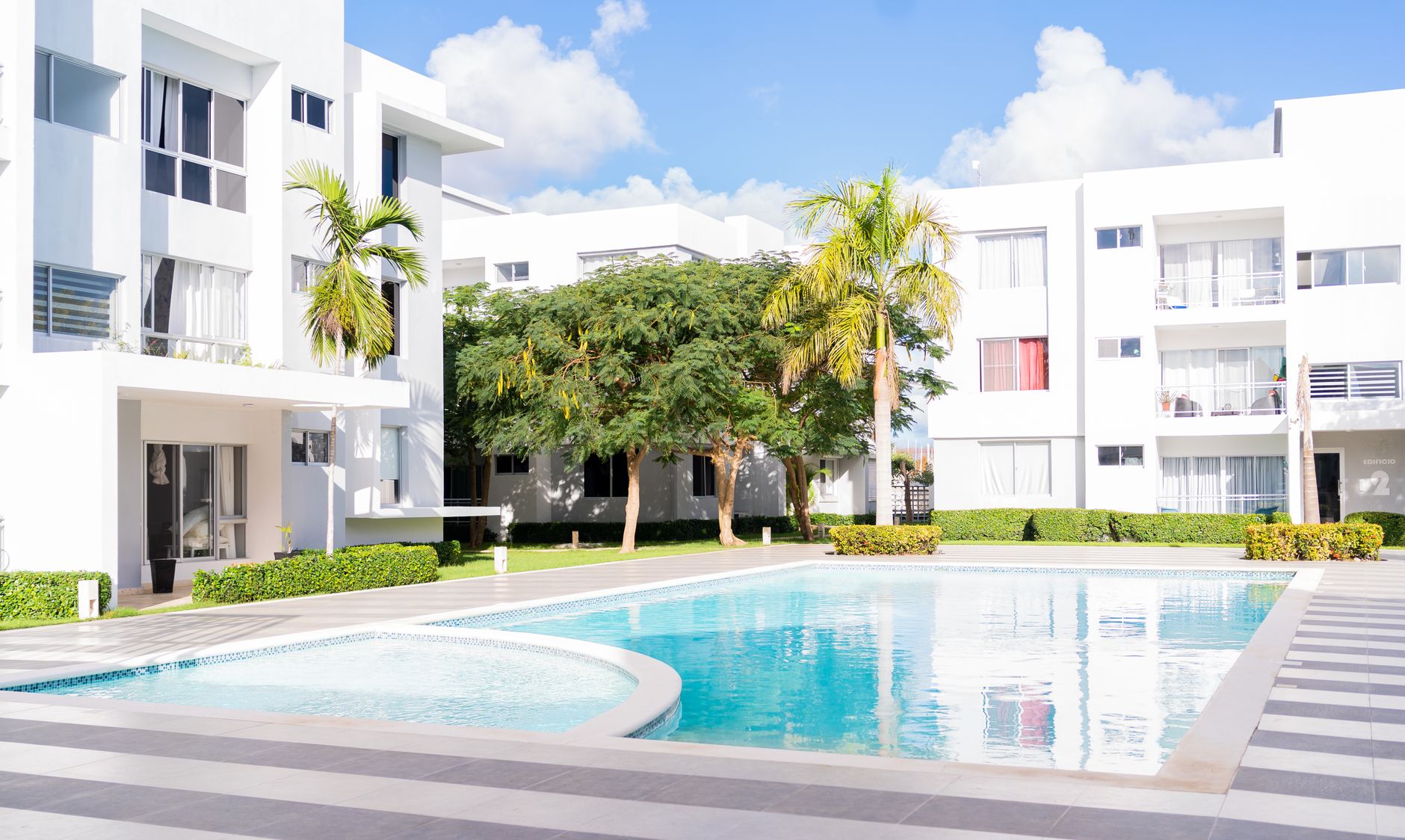
Realistic net rental yields on Phuket residential property land between 3% and 6% per year for most buyers in 2026, once all costs are subtracted. Sales decks routinely show gross figures of 7% to 10%, but those numbers omit management fees, vacancy, platform commissions, repairs, and the structural constraints of Thai rental law. The gap between the advertised number and the money that reaches your bank account is real and material.
This guide shows you the full calculation chain, explains what moves yield up or down in Phuket's specific market, and flags the risks that are rarely mentioned before you sign.
Quick answer
- Gross yield on Phuket condominiums: typically 6% to 9% as advertised in sales materials (as of 2026 market estimates)
- Realistic net yield after all costs: 3% to 6% per year, with short-term rentals at the higher end only when occupancy is consistently above 65%
- Short-term (daily) rentals are legally restricted in most condominiums; buildings without a hotel licence under the Hotel Act cannot legally host stays shorter than 30 days
- Guaranteed-rental programs typically pay 5% to 7% gross but transfer most risk back to you through revenue-pool structures and fixed-term commitments
- Peak occupancy in Phuket (November to April) can reach 75% to 85% in well-positioned projects; low season (May to October) drops to 30% to 55% per market estimates
- Annual running costs on a mid-range Phuket condominium typically consume 35% to 50% of gross rental income
- Always verify hotel licensing status before purchasing a unit marketed as a short-term rental investment
Options and scenarios
Scenario 1: Short-term rental in a licensed hotel-condominium
Some Phuket developments hold a Hotel Act licence that allows daily and weekly rentals. In these buildings, the developer or an appointed operator pools all unit revenue and distributes it proportionally. Your unit is treated as a hotel room.
A typical mid-range unit in Bang Tao or Kamala priced at THB 5,000,000 (approximately USD 138,000 at 2026 indicative rates) might earn:
- Annual gross rental income at 60% average occupancy, THB 2,500 per night: roughly THB 540,000
- Operator's management fee (30% to 40% of revenue): THB 162,000 to THB 216,000
- Common-area fees (juristic person fee, paid to the building's management company at roughly THB 50 to THB 80 per sqm per month on a 35 sqm unit): THB 21,000 to THB 33,600 per year
- Sinking fund top-ups (a one-time reserve contribution at purchase, then periodic calls; budget THB 10,000 to THB 20,000 per year for ongoing calls)
- Repairs and furnishing replacement: THB 15,000 to THB 30,000 per year on a furnished unit
- Net income: approximately THB 261,400 to THB 312,000
- Net yield: roughly 5.2% to 6.2% at this price point and occupancy
If occupancy falls to 45% in a weak year, net yield drops below 4%.
Scenario 2: Long-term monthly rental (no hotel licence required)
Any condominium can legally rent on a monthly basis. Monthly tenants are typically expats, digital workers, or retirees on a Non-Immigrant O or B visa.
The same THB 5,000,000 unit in a popular area might rent for THB 25,000 to THB 35,000 per month.
- Annual gross income: THB 300,000 to THB 420,000
- Property management fee (if you use an agent, typically 10% of monthly rent plus one month's rent as a finding fee averaged over the lease term): THB 45,000 to THB 62,000 per year
- Common-area fees: THB 21,000 to THB 33,600
- Repairs and maintenance: THB 10,000 to THB 20,000
- Vacancy allowance (typically 4 to 8 weeks per year between tenancies): THB 23,000 to THB 32,000 of lost income
- Net income: approximately THB 200,000 to THB 270,000
- Net yield: roughly 4.0% to 5.4%
Long-term lets carry lower gross returns but also lower operating costs and zero platform commission risk.
Scenario 3: Self-managed short-term rental on online platforms
If your building holds the correct licence, you can list independently on booking platforms instead of joining the operator pool. Platform commissions run 15% to 20% of booking value. You gain pricing control but carry full vacancy risk and must handle guest communications, cleaning (THB 300 to THB 600 per turnover), and local regulatory compliance.
At 60% occupancy, self-managed short-term income can be 10% to 20% higher than the pool arrangement, but a single low season or a platform algorithm change can erase that advantage. Budget for a local co-host or property manager at 15% to 25% of revenue if you are not based in Thailand.
Scenario 4: Guaranteed-rental program
Many Phuket developers offer a guaranteed return - typically 5% to 7% of purchase price per year - for a fixed period (5 to 10 years). Read the fine print carefully:
- The guarantee is usually paid from a rental pool funded partly by other purchasers' fees, not purely from your unit's performance
- After the guarantee period ends, you enter the open market with a unit that may be 5 to 10 years old and in need of refurbishment
- Your own use of the unit is often limited to 14 to 30 days per year, reducing lifestyle value
- The guarantee is backed only by the developer's covenant; if the developer has financial difficulty, the guarantee may not be honoured
- A 6% guaranteed yield on a THB 5,000,000 unit equals THB 300,000 per year, which is approximately a 4.0% to 4.5% net yield once Thai withholding tax on rental income (5% for non-residents, withheld at source in formal arrangements) and any currency conversion costs are applied
Comparison table
| Parameter | Short-term (licensed pool) | Short-term (self-managed) | Long-term monthly | Guaranteed program |
|---|---|---|---|---|
| Gross yield (advertised) | 7% - 10% | 7% - 12% | 5% - 8% | 5% - 7% |
| Realistic net yield | 4.5% - 6.2% | 4.0% - 6.5% | 4.0% - 5.4% | 3.5% - 5.0% |
| Hotel licence required | Yes | Yes | No | Usually yes |
| Management effort (owner) | Low | High | Low - medium | Very low |
| Vacancy risk | Shared (pool) | Full owner risk | Moderate | Developer absorbs |
| OTA/platform commission | 0% (operator handles) | 15% - 20% | 0% | 0% |
| Operator/agent fee | 30% - 40% of revenue | 15% - 25% co-host fee | 10% of rent | Built into price |
| Owner personal use | Limited by program | Flexible | Flexible | 14 - 30 days/year |
| Income predictability | Medium | Low | High | High (during guarantee) |
| Risk after program ends | Market rate | Market rate | Market rate | High (older unit) |
All yield figures are indicative ranges based on 2026 Phuket market estimates. Your actual outcome depends on location, unit condition, operator quality, and annual tourism volumes.
Risks and mistakes
Operating without a hotel licence
The Hotel Act B.E. 2547 (2004) and its amendments define a 'hotel' as any premises offering paid accommodation for fewer than 30 consecutive days. A condominium building that rents units nightly or weekly without a hotel licence is operating outside the law. Penalties apply to the building's juristic person (the legal management entity of the condominium), and enforcement has increased in Phuket since 2023. If your building is not licenced and a crackdown occurs, your short-term income stops overnight. Always request a copy of the hotel licence - not a promise that one is 'in progress' - before purchase.
Confusing gross and net yield
Gross yield = annual rent divided by purchase price. It tells you nothing about what you keep. Net yield subtracts all operating costs. Some sales materials go further and quote a 'projected yield' based on optimistic occupancy during peak season only, scaled to a full year. Ask the seller to provide a full 12-month operating statement from a comparable unit, not a projection.
Underestimating common-area fees
Common-area fees (juristic person fees) in Phuket resort-grade condominiums can run THB 60 to THB 120 per sqm per month in well-maintained buildings with pools and gyms. On a 50 sqm unit, that is THB 36,000 to THB 72,000 per year before any other cost. The sinking fund - a reserve for major building repairs - is collected as a lump sum at purchase (typically THB 400 to THB 600 per sqm) and may require top-ups when the fund is drawn down. These costs are real and non-negotiable.
Assuming year-round high occupancy
Phuket has a pronounced two-season pattern. The southwest monsoon (May to October) brings lower demand in areas facing the Andaman Sea, including Patong, Kamala, and Bang Tao. The east coast and areas near Chalong Bay are less affected. Average annual occupancy at most Phuket rental properties lands between 55% and 68% per market estimates, not the 75%+ peak figures used in sales projections.
Ignoring currency and repatriation rules
If you are a foreign buyer, you likely purchased your unit with foreign currency transferred into Thailand. Thai banking rules require foreign buyers to obtain a Foreign Exchange Transaction (FET) certificate - a bank document that records the inward transfer of funds used to buy property. You need this certificate to legally repatriate sale proceeds or to confirm your purchase is compliant. Rental income repatriation is generally straightforward, but you should confirm your bank's documentation requirements before each transfer.
Trusting developer cash-flow projections
Developer-provided yield projections are marketing documents. They are not audited financial statements. An independent review of actual rental data from comparable units in the same building, or in similar buildings nearby, is the only reliable way to stress-test a yield claim before you commit capital.
Underestimating repair and furnishing cycles
A furnished unit used for short-term rentals needs significant refurbishment every 3 to 5 years. Air-conditioning units (THB 15,000 to THB 30,000 each), mattresses, appliances, and soft furnishings degrade faster under high-turnover occupancy. If you are buying in a new development, build a refurbishment reserve of at least 1% of purchase price per year into your yield model.
Not accounting for Thai personal income tax
Rental income earned in Thailand is subject to Thai personal income tax for both residents and non-residents who earn Thai-source income. Tax rates are progressive (5% to 35%). Non-residents receiving rental income via a formal management contract may have withholding tax (typically 5%) deducted at source. You should factor this into your net yield calculation and take local tax advice before finalising your purchase structure.
FAQ
What is a realistic net rental yield for a Phuket condominium in 2026?
For most buyers, a realistic net yield - after management fees, common-area costs, vacancy, and basic maintenance - falls between 3% and 6% per year. The upper end requires a licenced short-term rental building, a well-positioned unit, and above-average occupancy. Expect the lower end if you rely on a guaranteed program or if your building is not licenced for daily rentals.
Why is the net yield so much lower than the advertised gross yield?
Operating costs on a Phuket rental unit typically consume 35% to 50% of gross income. Those costs include the operator's management fee (30% to 40% of revenue for short-term pools), common-area fees, sinking fund contributions, repairs, vacancy periods, and tax. A 9% gross yield can easily produce a 4.5% net yield once every cost is counted.
Can any Phuket condominium legally do short-term rentals?
No. Under the Hotel Act B.E. 2547, only buildings that hold a valid hotel licence can legally host stays shorter than 30 consecutive days. Buildings without this licence can only offer monthly or longer leases. Enforcement has become more active in Phuket since 2023. Before you buy, confirm the licence is current and covers the specific building, not just an adjacent phase or a future plan.
What does a guaranteed-rental program actually guarantee?
It guarantees a fixed return (typically 5% to 7% of purchase price) for a set period, paid by the developer or their appointed operator. It does not guarantee that the building will perform well at market rates after the program ends. The guarantee is backed by the developer's financial health, not by a government body or insurance scheme. Revenue-pool structures mean you are partly subsidised by other owners' income. Evaluate the developer's track record and balance sheet before treating any guarantee as secure.
What is a FET certificate and why does a rental investor need one?
A Foreign Exchange Transaction (FET) certificate - sometimes called a Thor.Tor.3 - is issued by a Thai commercial bank to record that foreign currency was transferred into Thailand for a specific purpose, such as buying property. As a foreign buyer, you need one to prove your purchase funds came from abroad. This is important for repatriating capital or sale proceeds later. It is less directly relevant to rental income but is a core compliance document for foreign ownership of Thai condominium units.
How does Phuket's high season and low season affect rental income?
Phuket's peak rental season runs from approximately November to April, when international arrivals are highest. Occupancy in well-run licensed units can reach 75% to 85% in these months. From May to October, monsoon weather reduces demand on the west coast, and occupancy may drop to 30% to 50%. An annual average of 55% to 68% is a more realistic planning figure than the peak-season numbers often used in projections.
Is self-managing a short-term rental in Phuket practical for a non-resident owner?
It is possible but operationally demanding. You need a reliable local co-host or property manager to handle guest check-in, cleaning, and maintenance. Co-host fees typically run 15% to 25% of rental revenue. You also need to manage platform listings, pricing, and guest communications across time zones. Most non-resident owners find that a professional manager erodes yield compared to a pool arrangement, while adding complexity rather than reducing it.
What costs are often missing from Phuket rental yield calculations in sales materials?
The most commonly omitted costs are: vacancy periods (often assumed at zero), the sinking fund (the reserve for major building repairs), Thai personal income tax on rental income, currency conversion and international transfer fees, the cost of periodic refurbishment, and insurance. Including all of these typically reduces the net yield by 2 to 4 percentage points compared to the headline figure.
How do I verify a building's hotel licence in Phuket?
The hotel licence is issued by the provincial administrative authority in Phuket and must be displayed at the property. You or your lawyer can request a certified copy of the licence directly from the building's juristic person management office. Cross-check the licence number and expiry date against the Thai Department of Provincial Administration's records. A licence 'in process' or 'pending renewal' is not a current valid licence.
Does the location within Phuket affect net yield significantly?
Yes. Bang Tao, Layan, and the Laguna area tend to attract longer-stay guests and higher nightly rates, supporting stronger net yields. Patong has high volume but also high competition and more price-sensitive guests. Rawai and Chalong attract long-term expat tenants more than short-term tourists. Surin and Kamala sit between these profiles. Location affects both the achievable rate and the type of tenancy that is realistic for your unit.
Planning a property purchase in Thailand? Send us your requirements - the THAI.ESTATE team will reply with specific options and a safety checklist for your case.