Rawai
The island's south - a year-round expat neighbourhood with sea frontage for boats, not swimming, and honest value pricing.
Rawai is the part of Phuket where people actually live. The expat community here is large, year-round and visibly woven into the town - which gives the rental market a different engine from the resort coast: twelve-month tenancies, returning winter residents, families anchored to nearby international schools.
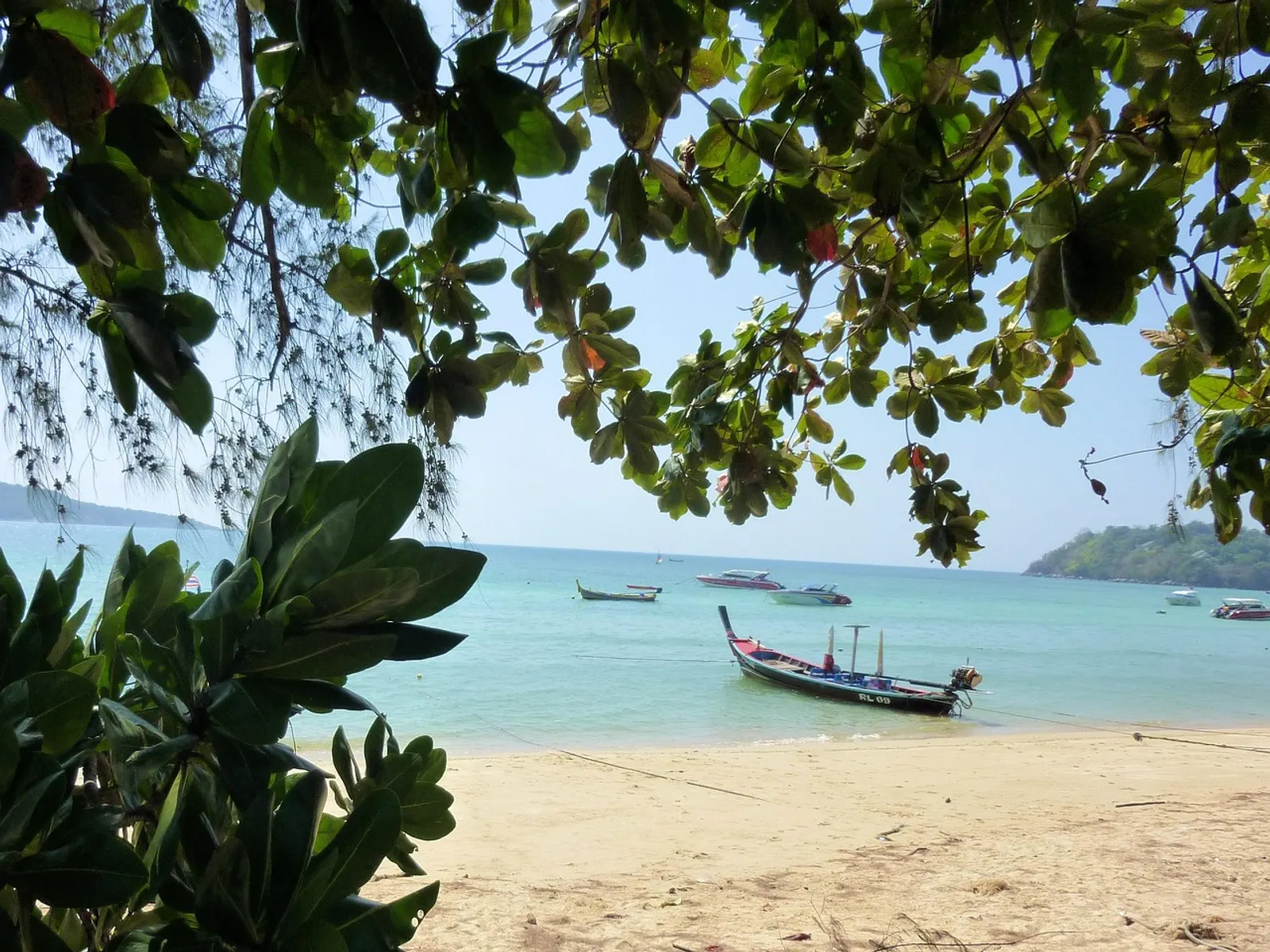
Understand what the seafront is and is not. The Rawai shoreline is a working waterfront of longtail moorings and seafood piers; the swimming beach is Nai Harn, a ten-minute ride west. Pricing reflects this honestly - entry costs per square metre sit meaningfully below the west-coast resort bays, which is precisely the appeal for yield-focused buyers.
Our view: Rawai is the strongest risk-adjusted entry point on the island for buyers who care about occupancy stability more than nightly-rate headlines. The diligence focus shifts accordingly: long-stay rental comparables, build quality for permanent living, and flood behaviour of specific streets in the rainy season.
At a glance
- Character
- A lived-in southern town: seafood piers, markets, gyms and cafés serving a large year-round expat community rather than package tourism.
- The beach
- The Rawai shore is a working waterfront - moorings and piers, not a swimming beach; Nai Harn's swimmable sand is ten minutes away.
- Who buys & rents
- Buyers are value-focused investors and full-time residents; tenants are long-stay professionals, families and wintering Europeans.
- Infrastructure
- Complete daily infrastructure of its own: international schools nearby, markets, clinics, and the island's best seafood street.
- Our view
- Rawai earns on long-stay demand and low entry prices, not on beach glamour. Yields are steady; capital growth follows the south's slower curve.
Considering Rawai?
Browse the live inventory, or ask our expert what a realistic budget buys here right now.